Letting Go of Sleepless Nights: A Parent’s Guide
Discover how to break the cycle of child sleep worries impacting your rest and well-being as a parent.
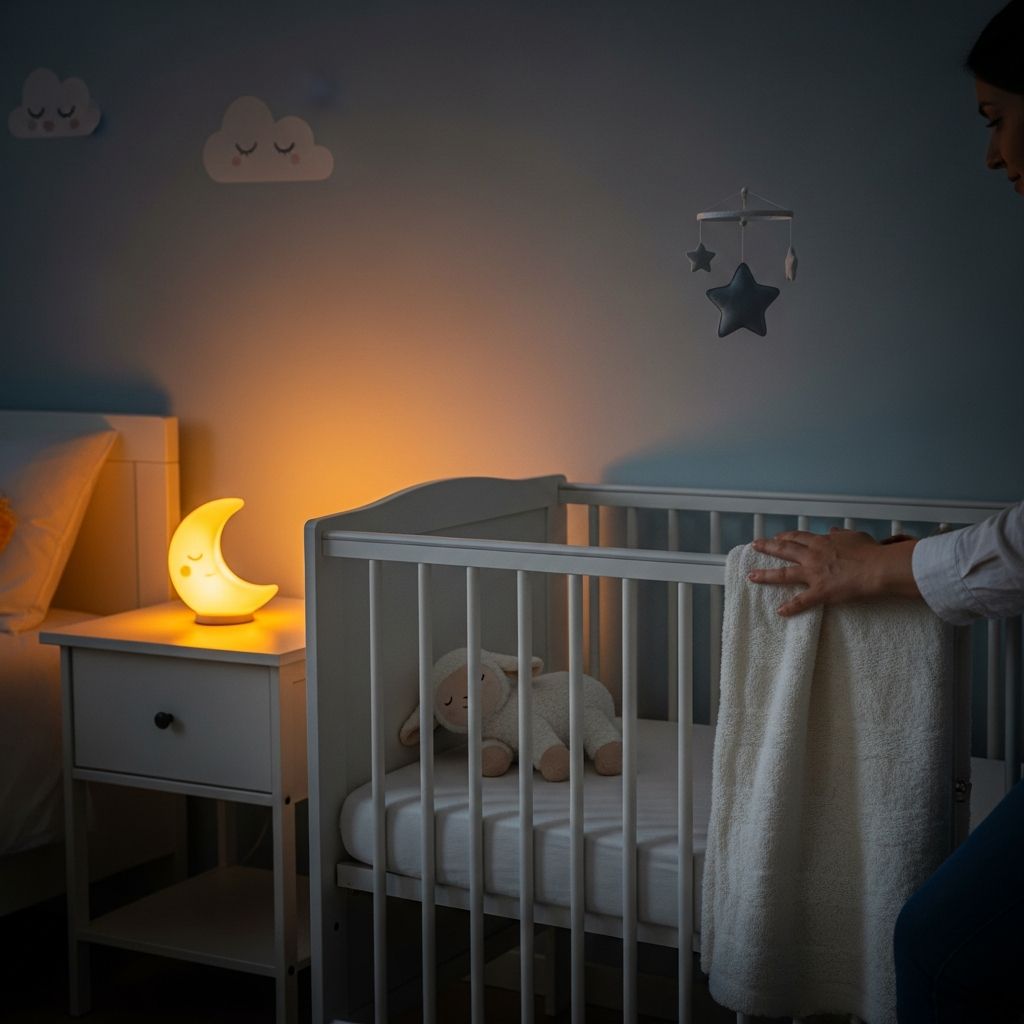
Parenting young children often means navigating unpredictable sleep routines that can leave caregivers exhausted and anxious. Research shows a strong connection between a child’s sleep disturbances and the parent’s own rest quality, mediated partly by heightened stress levels. This cycle not only disrupts family dynamics but also influences emotional responsiveness and daily functioning. Understanding this interplay empowers parents to prioritize their well-being without guilt.
The Hidden Link Between Child Sleep and Parental Exhaustion
Children’s sleep problems are common, especially during toddler and preschool years, affecting up to 25-50% of young kids with issues like night wakings or bedtime resistance. These disruptions ripple outward, directly impacting parental sleep. Studies reveal that poor child sleep quality predicts worse parental sleep, with parenting stress acting as a key mediator—explaining about 38.5% of the variance in parental sleep outcomes. For instance, when toddlers frequently wake, parents lose sleep responding, which elevates stress and perpetuates a vicious cycle.
Longitudinal data from mothers of toddlers aged 30-42 months confirms bidirectional ties: higher stress at one point leads to greater sleep deficits six months later, and vice versa. This mutual reinforcement means a single rough night can snowball into ongoing fatigue. Notably, child sleep disorders correlate positively with parental insomnia (odds ratio 3.00) and sleep apnea (1.88), but not hypersomnia, highlighting specific vulnerabilities.
How Stress Amplifies the Sleep Struggle
Parental stress isn’t just a byproduct—it’s a central player. When children exhibit sleep issues, parents report higher stress levels, which in turn degrade their sleep architecture, leading to longer sleep onset times and fragmented rest. One analysis found that mothers with elevated stress took longer to fall asleep and perceived more sleep problems, resulting in less positive parenting behaviors.
Consider the mechanisms:
- Physiological toll: Stress hormones like cortisol disrupt melatonin production, delaying sleep onset for both parent and child.
- Emotional drain: Anxiety over a child’s wakings reduces parental sensitivity during interactions, worsening bedtime dynamics.
- Cumulative effects: Over time, this leads to poorer emotion regulation in toddlers under high family stress.
Family stress indices, including socioeconomic factors and household chaos, exacerbate toddler night wakings and sleep latency, with high-stress environments showing the strongest links to negative affect in children. Breaking this requires targeted interventions.
Real-World Impacts on Daily Parenting
Sleep-deprived parents face tangible challenges. Worse maternal sleep predicts declines in positive parenting six months later, even after accounting for baseline stress and sociodemographics. This manifests as reduced engagement during play or routines, heightening child misbehavior and perpetuating sleep issues.
| Sleep Deficit Level | Parenting Outcome | Supporting Evidence |
|---|---|---|
| High (e.g., <6 hours/night) | Less observed positive parenting | Longitudinal study of toddler mothers |
| Moderate | Increased irritability, reduced responsiveness | Mediation via parenting stress |
| Low | Stable or improved family interactions | Behavioral interventions |
In high-stress families, toddlers with poor sleep display peak negative affect, underscoring sleep’s protective role. Interventions addressing child mental health via behavioral care improved caregiver insomnia (effect size d=0.61) and stress (d=0.59) in 77% and 73% of cases, respectively.
Practical Strategies to Reclaim Your Rest
Shifting focus from worry to action helps. Evidence supports consistent sleep-related parenting practices as foundational.
- Establish routines: Fixed bedtimes and naps reduce variability, improving child sleep consolidation.
- Minimize interventions: Gradual fading of parental presence at bedtime curbs dependency.
- Prioritize self-care: Parents modeling good sleep hygiene—dim lights, no screens—benefits the family unit.
- Address stress directly: Mindfulness or short cognitive exercises before bed can interrupt the stress-sleep loop.
Research emphasizes that positive bedtime parenting predicts better subsequent sleep and lower stress, flipping the mediation dynamic. For families with persistent issues, consulting pediatric sleep guidelines from bodies like the American Academy of Pediatrics can provide structured support.
Age-Specific Insights for Growing Kids
Sleep needs evolve:
- Infants/Toddlers (0-3 years): Focus on responsive settling; night wakings peak here, strongly tied to parental insomnia.
- Preschoolers (3-5 years): Bedtime resistance common; stress mediation strongest.
- School-age (6+ years): Family structure matters—no father presence in early grades predicts worsening sleep trajectories.
Parental age modifies risks: older parents show amplified links between child sleep apnea and their own disorders. Tailoring approaches by developmental stage maximizes efficacy.
Frequently Asked Questions (FAQs)
Does my child’s poor sleep always mean I’m stressed?
Not always, but research shows a partial mediation where child sleep issues elevate parenting stress, which then impairs your rest (b=0.05 indirect effect). Monitor patterns for intervention.
Can improving my sleep help my toddler sleep better?
Yes—bidirectional links mean better parental sleep forecasts positive parenting changes, indirectly aiding child routines.
What if stress persists despite better sleep habits?
Behavioral care for child symptoms can reduce parental insomnia and stress in over 75% of cases. Seek professional evaluation.
Are there long-term effects on family health?
Untreated cycles link to poorer child emotion regulation and parental mental health; early action protects both.
How quickly can changes show results?
Consistent practices yield improvements within weeks; longitudinal studies note shifts over 6 months.
Embracing Rest Without Guilt
Releasing the compulsion to fix every sleep hiccup frees mental energy. Data affirms that while child sleep strongly predicts parental outcomes, manageable stress buffers the impact. Families thriving amid imperfections prove rest is possible—yours included. By fostering healthy habits and self-compassion, parents model resilience, creating a legacy of balanced nights for generations.
References
- Parenting Stress Partially Mediates the Relationship Between Child and Parent Sleep Quality — Oxford Academic (Sleep Journal). 2025. https://academic.oup.com/sleep/article/48/Supplement_1/A462/8135519
- A One-year Longitudinal Study of the Stress, Sleep, and Parenting of Mothers of Toddlers — PMC (PMC8821202). 2022-02-01. https://pmc.ncbi.nlm.nih.gov/articles/PMC8821202/
- Relating parental stress with sleep disorders in parents and children — PMC (PMC9876271). 2023. https://pmc.ncbi.nlm.nih.gov/articles/PMC9876271/
- Sleep and Negative Affect Across Toddlerhood in the Context of Stress — PMC (PMC9382980). 2022. https://pmc.ncbi.nlm.nih.gov/articles/PMC9382980/
- Relating parental stress with sleep disorders in parents and children — PLOS ONE. 2022-12-15. https://journals.plos.org/plosone/article?id=10.1371/journal.pone.0279476
- Sleep problems and parental stress among caregivers of children with mental health concerns — Frontiers in Child and Adolescent Psychiatry. 2023. https://www.frontiersin.org/journals/child-and-adolescent-psychiatry/articles/10.3389/frcha.2023.1265095/full
- Association of Sleep-related Parenting Practices and Sleep Problems in Children — Dove Press (Nature and Science of Sleep). 2023. https://www.dovepress.com/association-of-sleep-related-parenting-practices-and-sleep-problems-in-peer-reviewed-fulltext-article-NSS
Similar Articles








Read full bio of Sneha Tete