Male Lactation: Biology, Science, and Possibilities
Exploring the biological mechanisms and scientific evidence behind male milk production.
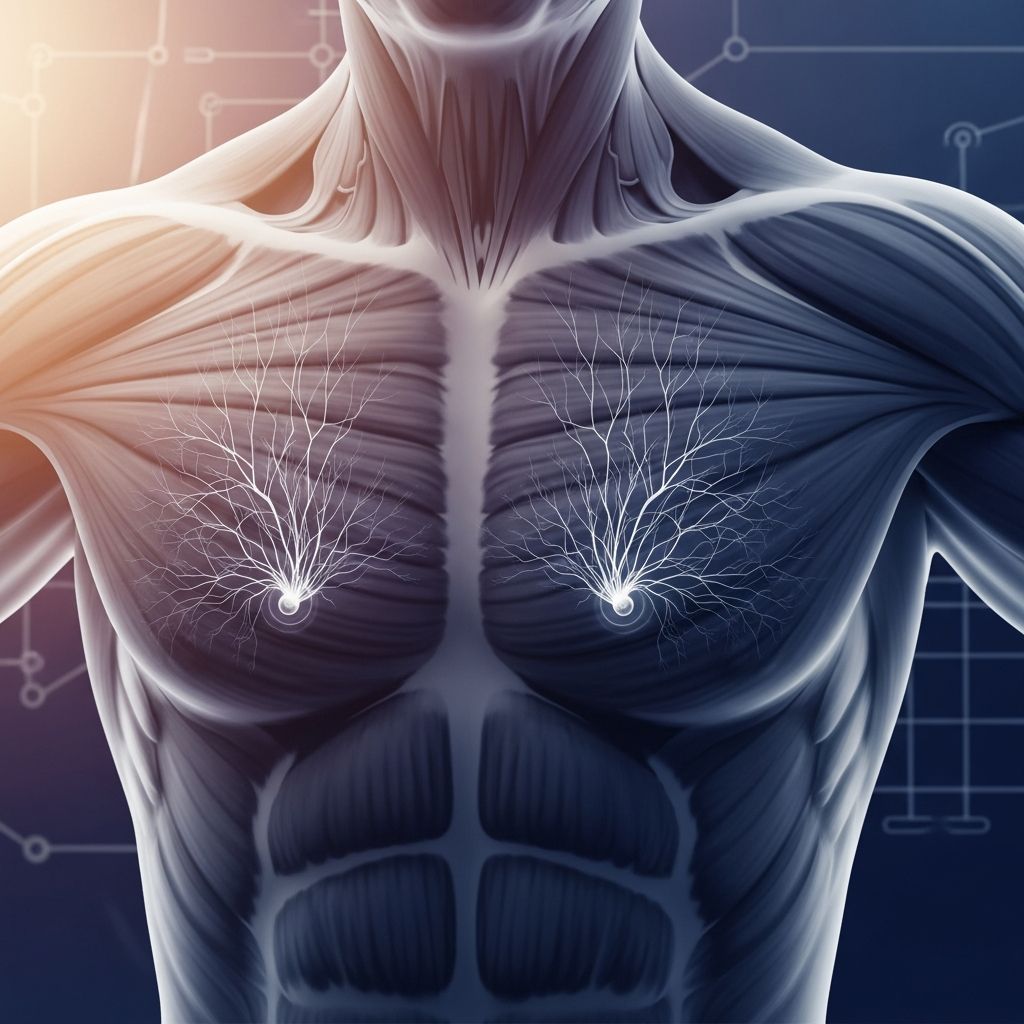
Understanding Male Lactation: A Biological Overview
The capacity for milk production has long been considered exclusively female, yet scientific evidence reveals a more complex biological reality. While uncommon, male lactation represents a fascinating intersection of reproductive biology, endocrinology, and evolutionary adaptation. Both male and female mammals possess the fundamental anatomical structures necessary for milk production, including mammary tissue and nipples. This foundational similarity raises important questions about why lactation remains predominantly female across most species and under what conditions males can produce milk.
The presence of rudimentary mammary glands in males across mammalian species suggests that the capacity for lactation evolved before sexual differentiation became pronounced in reproductive roles. Biological research demonstrates that male mammary tissue contains the same essential anatomical components as female tissue, meaning the structural foundation for milk production exists in males from birth. Understanding how this dormant potential can be activated requires examining the hormonal cascade that triggers lactation.
The Hormonal Architecture of Lactation
Lactation depends on a sophisticated interplay of hormones that function similarly in males and females. The primary hormone responsible for milk production is prolactin, a peptide hormone produced by the anterior pituitary gland. This hormone operates through the same biochemical pathways regardless of biological sex, making milk production physiologically feasible for males who experience elevated prolactin levels.
Beyond prolactin, lactation requires coordinated action from multiple hormones:
- Estrogen and progesterone stimulate mammary duct development and glandular tissue proliferation, processes that occur identically in male tissue when these hormones are present.
- Oxytocin, often called the “love hormone,” facilitates milk ejection by triggering contractions of the myoepithelial cells surrounding the alveoli.
- Insulin and glucocorticoids serve as essential cofactors that work alongside prolactin to initiate and sustain lactation.
Research reveals that new fathers experience measurable increases in prolactin and oxytocin following the birth of children, suggesting that parenthood triggers genuine hormonal shifts in males. These hormonal changes occur naturally in response to infant care and bonding activities, establishing a biological foundation for potential milk production in involved fathers.
Pathological and Physiological Triggers for Male Milk Production
Male lactation most commonly occurs through pathological mechanisms rather than intentional physiological activation. Several medical and environmental conditions can elevate prolactin to levels sufficient for milk production:
| Trigger Mechanism | Physiological Basis | Clinical Relevance |
|---|---|---|
| Pituitary tumors | Adenomas producing excess prolactin directly | Well-documented medical cause |
| Antipsychotic medications | Dopamine antagonism increases pituitary prolactin release | Known medication side effect |
| Cardiac medications | Some heart drugs interfere with prolactin regulation | Associated with drug-induced galactorrhea |
| Severe malnutrition | Liver dysfunction impairs hormone metabolism | Historical cases in concentration camp survivors |
| Extreme physical stress | Stress hormones alter endocrine regulation | Rare but documented in literature |
The liver plays a crucial role in this process by metabolizing and removing excess hormones from circulation. When liver function is compromised through malnutrition or disease, hormonal levels accumulate, potentially triggering lactation regardless of sex. This mechanism explains historical accounts of male lactation occurring in severely malnourished populations where nutritional deficiency impaired hepatic hormone metabolism.
Documented Cases and Scientific Evidence
While rare, peer-reviewed medical literature contains documented cases of spontaneous male lactation. A notable case involved a 27-year-old male with galactorrhea stemming from hyperprolactinemia, whose breast secretion was analyzed and found to contain lactose, alpha-lactalbumin, and lactoferrin—proteins identical to those in human milk. The concentration of lactose, proteins, and electrolytes in his secretions fell within the normal range of colostrum and mature milk from lactating women, confirming genuine milk production rather than a serum-based discharge.
Historical records document instances where fathers nursed infants when mothers were unable to do so, though precise prevalence remains unclear due to limited documentation in pre-modern societies. The phenomenon appears more prevalent in some cultural contexts where paternal caregiving and intimate bonding were normalized, suggesting that cultural acceptance and physical proximity may facilitate lactation when hormonal conditions permit.
Artificial Induction: Scientific Feasibility vs. Clinical Reality
The theoretical possibility of inducing lactation in males through hormonal protocols has generated scientific interest, yet clinical implementation faces significant barriers. Animal research provides the strongest evidence of feasibility: male goats exposed to estradiol, progesterone, and prednisolone successfully initiated lactation, with 4 of 13 animals producing measurable milk volumes. This proof-of-concept demonstrates that the mammalian mammary gland responds to hormonal stimulation regardless of biological sex.
However, extrapolating from animal studies to human protocols presents substantial challenges. The current evidence base lacks published human studies specifically examining the safety and efficacy of male lactation induction protocols. Female-focused induction protocols cannot be directly applied to males due to differences in baseline hormone levels, metabolic clearance rates, and tissue responsiveness. Additionally, no guideline-issuing medical organization has endorsed male lactation induction protocols, reflecting the absence of established safety data.
Potential risks of artificial hormonal manipulation include cardiovascular complications, thromboembolic events, altered glucose metabolism, and psychological effects from sustained hormone exposure. The absence of rigorous safety protocols and informed consent frameworks makes clinical recommendation inadvisable without extensive medical supervision combining endocrinology, lactation medicine, and bioethics consultation.
Evolutionary Perspectives on Male Lactation Absence
The rarity of male lactation across mammalian species despite anatomical capability suggests powerful evolutionary selection pressures against the trait. Traditional evolutionary theory attributed this pattern to paternity uncertainty: males lack certainty about genetic relationship to offspring, reducing their incentive to invest substantial biological resources in nutrition provision. This hypothesis explains why males typically pursue alternative reproductive strategies, such as mate acquisition and multiple mating partnerships, rather than intensive parental investment through lactation.
Recent mathematical modeling from evolutionary biologists proposes a complementary explanation: when both parents contribute to offspring nutrition, the likelihood of harmful microbes being transmitted doubles, potentially outweighing the nutritional benefits of increased food availability. This microbiome-based selection pressure suggests that maternal-only feeding evolved as a disease containment strategy, reducing pathogenic transmission vectors and protecting vulnerable infants during their most immunologically fragile period.
Interestingly, this evolutionary strategy aligns with other maternal-exclusive transmission patterns observed across mammals, including the exclusively maternal inheritance of mitochondrial DNA in humans. These convergent evolutionary patterns suggest that limiting bidirectional parent-infant contact during feeding may serve as a fundamental disease-prevention mechanism.
The Role of Nipple Stimulation and Infant Contact
The mechanistic trigger for lactation operates through sensory feedback: infant suckling stimulates nipple afferent nerves, triggering pituitary release of prolactin and oxytocin through a reflex arc. This stimulus-response mechanism functions identically in males and females, suggesting that sustained nipple stimulation could theoretically induce lactation in any individual with sufficient prolactin responsiveness.
Some women who have never experienced pregnancy successfully lactate to feed adopted infants through consistent breast stimulation and skin-to-skin contact, demonstrating that the mechanical stimulus alone can activate the lactation cascade. By this same physiological logic, males with adequate baseline prolactin levels might theoretically produce milk through equivalent sensory stimulation and prolonged infant contact. However, the lower baseline prolactin levels in most males compared to females means this pathway would be substantially more difficult to activate without hormonal augmentation.
Contemporary Implications for Modern Parenting
Understanding male lactation biology has implications beyond academic curiosity. Research documenting hormonal changes in new fathers—increased prolactin and oxytocin—suggests that involved paternal caregiving triggers genuine endocrine shifts promoting bonding and attachment. These hormonal responses may explain the psychological benefits fathers report from skin-to-skin contact and close caregiving relationships with infants.
For families where maternal lactation is impossible or undesired, the biological feasibility of male lactation represents a theoretical option, though current evidence cannot support it as a practical alternative. Donor human milk from accredited milk banks remains the evidence-based recommendation when maternal breastfeeding is unavailable. Nevertheless, the knowledge that male lactation is biologically possible reinforces the fundamental truth that lactation itself is not an inherently gendered process, but rather a manifestation of mammalian physiology available across biological sexes under appropriate hormonal conditions.
Frequently Asked Questions
Q: Can all men produce milk if they try?
A: No. While all males possess mammary tissue, producing milk requires elevated prolactin and other specific hormonal conditions. Without these hormonal triggers, nipple stimulation alone would be insufficient to initiate lactation in most men.
Q: Is male-induced lactation safe?
A: Male-induced lactation through artificial hormonal induction carries significant safety concerns and lacks established clinical protocols. No major medical organization endorses this approach, and any attempt would require extensive medical supervision and informed consent discussions.
Q: What causes spontaneous male lactation?
A: Spontaneous male lactation, called galactorrhea, typically results from pituitary tumors, certain medications, severe malnutrition, or extreme stress—all conditions that elevate prolactin levels.
Q: Do new fathers experience hormonal changes?
A: Yes. Research demonstrates that new fathers experience measurable increases in prolactin and oxytocin in response to infant care and bonding activities, supporting the biological basis for paternal involvement.
Q: Why don’t more male mammals lactate naturally?
A: Evolutionary pressures work against male lactation. Theories suggest paternity uncertainty reduces investment incentives, and maternal-only feeding may limit harmful microbe transmission to vulnerable infants.
References
- The Lactating Man — Mathilde Cohen, SSRN. 2016. https://papers.ssrn.com/sol3/papers.cfm?abstract_id=2916660
- Male Induced Lactation: Evidence-Based Guidance — Dr. Oracle. 2024. https://www.droracle.ai/articles/629399/how-can-a-male-induce-lactation-safely
- Why don’t male mammals breastfeed? — BioTechniques. 2024. https://www.biotechniques.com/microbiology/why-dont-male-mammals-breastfeed/
- Composition of breast fluid of a man with galactorrhea — PubMed/National Center for Biotechnology Information. https://pubmed.ncbi.nlm.nih.gov/7462406/
- Can men breastfeed? — Endeavour College of Natural Health. 2024. https://www.endeavour.edu.au/about-us/blog/can-men-breastfeed
Similar Articles






Read full bio of medha deb