Managing Aggressive Behavior in Children and Tweens
Effective strategies to understand, prevent, and address aggressive outbursts in kids for safer homes and better emotional growth.
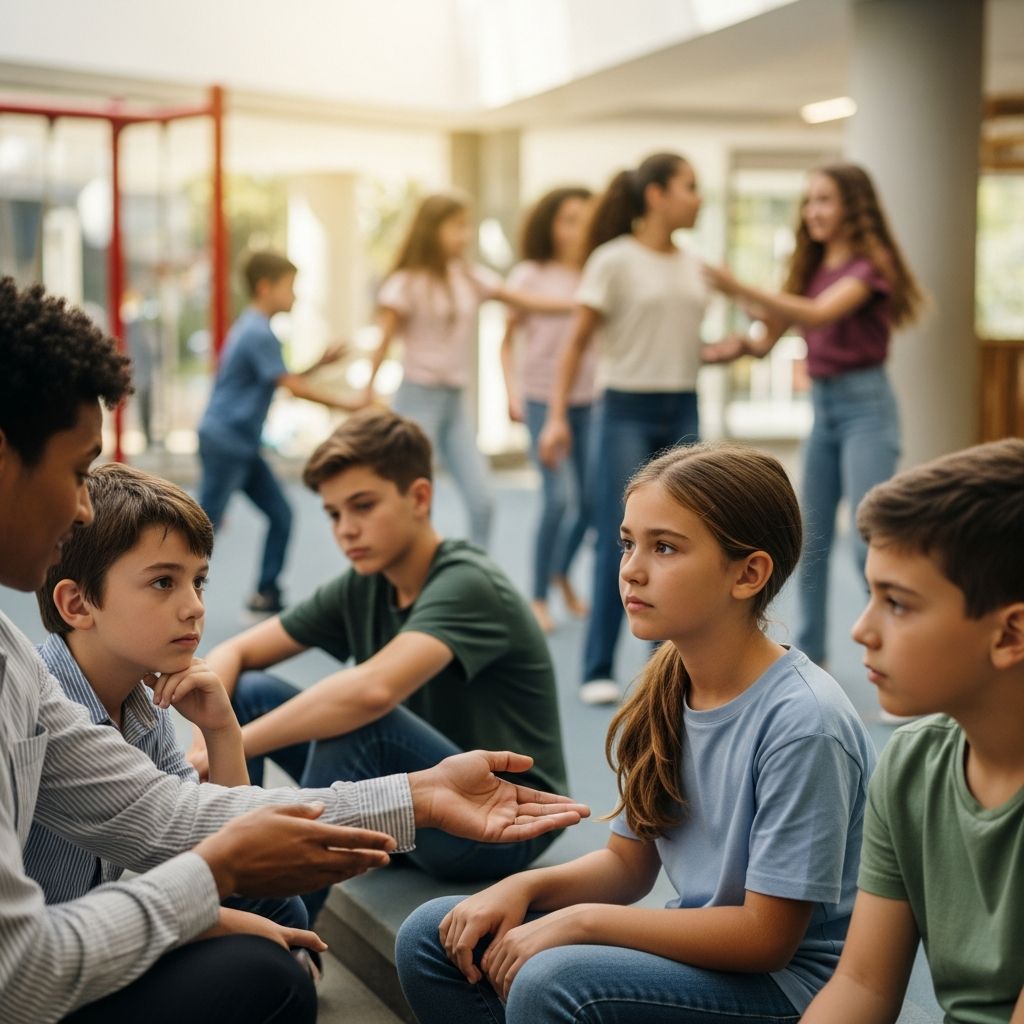
Aggressive behaviors like screaming, pushing, or hitting can disrupt family life and signal underlying emotional struggles in children and tweens. These actions often stem from frustration, unmet needs, or developmental challenges, but parents can intervene effectively with consistent, evidence-based approaches. This guide explores root causes, prevention tactics, and response strategies to help kids develop healthier ways to express themselves.
Recognizing the Roots of Aggression
Understanding why children act aggressively is the first step toward change. Aggression frequently arises from unexpressed emotions, environmental stressors, or learned responses. For instance, children exposed to violence, neglect, or inconsistent parenting face higher risks of disruptive behaviors. Biological factors, harsh discipline, or even hunger and overstimulation can trigger outbursts.
Common triggers include:
- Emotional overload: Kids lacking words for feelings like anger or disappointment may lash out physically.
- Environmental chaos: Cluttered spaces or noisy settings heighten frustration.
- Predictability gaps: Sudden changes without routines increase anxiety and reactivity.
- Modeling influences: Children mirror aggressive adult interactions they witness.
Tracking patterns using the ABC model—Antecedent (trigger), Behavior (action), Consequence (outcome)—reveals insights. Note what precedes outbursts, like transitions or denied requests, to anticipate and mitigate them.
Building a Preventive Foundation at Home
Proactive changes in daily routines can significantly reduce aggression frequency. Start by fostering emotional literacy, where children name and process feelings through discussions during play or meals. Tools like emotion charts build vocabulary, empowering kids to articulate needs instead of acting out.
| Trigger Type | Prevention Strategy | Expected Benefit |
|---|---|---|
| Hunger or fatigue | Scheduled healthy snacks and naps | Stabilizes mood and energy |
| Overstimulation | Quiet zones and limited screen time | Reduces sensory overload |
| Unclear rules | Consistent routines and boundaries | Lowers anxiety and defiance |
| Social stress | Pre-planned safe exits in group settings | Prevents escalation |
Establish clear, age-appropriate rules enforced calmly. Model desired behaviors by narrating your own emotional regulation, such as deep breathing during frustration. This teaches conflict resolution without yelling. Minimize toys and activities to avoid overwhelm, encouraging creative play that builds self-reliance.
Strengthening Communication as an Alternative
Many aggressive acts occur because children can’t verbalize needs. Teach functional communication tailored to their abilities: simple phrases like “stop” or “help,” picture cards, or gestures. Practice these during calm moments so they become natural responses.
For tweens, expand to discussing emotions in depth. Role-play scenarios: “What if your friend takes your toy? How can you say ‘I feel mad’ instead of pushing?” Positive reinforcement amplifies success—praise calm requests immediately with specific feedback like “Great job using your words!”
Over time, this shifts behavior: saying “I need a break” replaces throwing objects, as kids learn it yields better results.
Maintaining Calm During Outbursts
Your reaction sets the tone. Children escalate when mirroring adult anger, so respond neutrally. Get to eye level, use short phrases: “Hands down. Let’s breathe.” Avoid lectures, which prolong distress.
De-escalation steps:
- Ensure safety: Remove hazards and protect others without restraint unless necessary.
- Redirect gently: Offer a favored toy or activity to shift focus.
- Time-in over time-out: Sit nearby calmly until composure returns, reinforcing connection.
- Model techniques: Demonstrate slow breaths or counting, inviting participation.
Post-outburst, review neutrally: “Hitting hurts. Next time, use words.” Practice safe alternatives as a consequence, framing it positively: “Let’s practice gentle hands.”
Optimizing the Home Environment
A supportive space prevents many incidents. Declutter to eliminate throwables, create cozy calm corners with soft lighting and sensory items like fidget toys. Limit chaotic transitions by previewing schedules: “First dinner, then play.”
For social outings, scout safe spots and rehearse exit phrases. Gradually expose kids to triggers with reinforcement, building tolerance—like short playdates increasing in length. Ensure physical needs: regular meals combat hunger-induced irritability.
Long-Term Skill Development
Consistent practice embeds new habits. Use charts to track progress, celebrating milestones with non-material rewards like extra story time. Behavioral interventions, first-line for anger issues, teach regulation through therapy if needed.
Address risk factors: screen for abuse history or parental mental health, as these amplify aggression. Harsh parenting correlates with increased child aggression via normalized beliefs, so opt for positive discipline.
When to Seek Professional Support
If aggression persists despite home efforts, involves harm, or accompanies other signs like withdrawal, consult experts. Conditions like ADHD or conduct disorder may underlie issues; early intervention via behavioral therapy improves outcomes. Track frequency and severity to inform professionals.
Frequently Asked Questions (FAQs)
What if my child is aggressive toward siblings?
Prioritize safety by separating them calmly, then address individually with communication lessons. Supervise closely and teach sharing skills proactively.
How long until strategies work?
Expect gradual improvement over weeks with consistency. Track patterns to refine approaches; persistence yields results.
Is aggression normal in tweens?
Occasional frustration is typical, but frequent physical acts signal needs for better coping tools. Intervene early to prevent escalation.
Can screens cause aggression?
Excessive use contributes to overstimulation and poor sleep, heightening irritability. Limit and monitor for correlations.
What role does diet play?
Hunger or poor nutrition destabilizes mood. Regular, balanced meals support emotional stability.
References
- How to Address Aggressive Behaviors Safely and Effectively — Helping Hands Family. Accessed 2026. https://hhfamily.com/how-to-address-aggressive-behaviors-safely-and-effectively/
- Childhood Aggression: Signs, Causes & How to Help Your Child — Handspring Health. Accessed 2026. https://www.handspringhealth.com/post/childhood-aggression
- 7 Strategies for Managing Aggressive Behavior in Young Children — Kidpower. Accessed 2026. https://www.kidpower.org/library/article/7-strategies-for-managing-aggressive-behavior-in-young-children/
- Behavior or Conduct Problems in Children — Centers for Disease Control and Prevention (CDC). Accessed 2026. https://www.cdc.gov/children-mental-health/about/about-behavior-or-conduct-problems-in-children.html
- Understanding Violent Behavior in Children and Adolescents — American Academy of Child and Adolescent Psychiatry (AACAP). Accessed 2026. https://www.aacap.org/AACAP/Families_and_Youth/Facts_for_Families/FFF-Guide/Understanding-Violent-Behavior-In-Children-and-Adolescents-055.aspx
- Harsh Parenting and Children’s Aggressive Behavior — National Center for Biotechnology Information (PMC). 2022-03-01. https://pmc.ncbi.nlm.nih.gov/articles/PMC8878192/
- Anger, Irritability and Aggression in Kids — Yale Medicine. Accessed 2026. https://www.yalemedicine.org/conditions/anger-issues-in-children-and-teens
Similar Articles








Read full bio of medha deb