Maternal Love Redefined: Beyond Romance and Tradition
Exploring how mothers experience and articulate authentic love in modern parenting.

The Evolution of Maternal Love in Contemporary Society
Motherhood has fundamentally transformed the way women experience and understand love. Unlike the carefully curated depictions of romance in popular media, the love that mothers feel for their children operates on an entirely different spectrum—one that defies conventional expectations and societal standards. This evolution reflects a broader cultural shift in how families define meaningful relationships and emotional bonds. Modern mothers are articulating a more nuanced, authentic version of love that transcends the traditional narratives presented in films, literature, and social discourse.
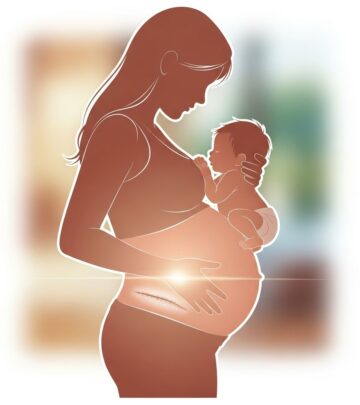
The journey toward understanding maternal love begins long before a child enters the world. Expectant mothers often experience a profound shift in their emotional landscape, preparing themselves for an intensity of feeling they may have never anticipated. This preparation is neither romantic nor fantastical; instead, it represents a fundamental restructuring of priorities, values, and emotional capacity. Mothers describe this transition as simultaneously humbling and empowering, a recalibration of what matters most in life.
Redefining Connection: Beyond Traditional Romance
The cultural narrative surrounding love has historically centered on romantic partnerships as the pinnacle of human connection. However, mothers consistently report that the bond they experience with their children represents something distinctly different from romantic love. While romantic relationships involve choice, negotiation, and ongoing evaluation, maternal love emerges as immediate, unconditional, and fundamentally transformative. This distinction is not meant to diminish romantic love but rather to acknowledge that different relationships engage different dimensions of the human heart.
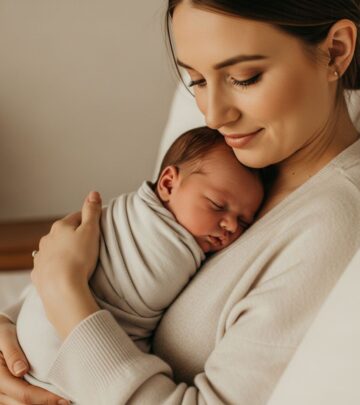
When mothers discuss their most profound moments of connection, they often reference instances that would seem ordinary to outsiders: a quiet morning with a sleeping child, a moment of genuine understanding after a difficult conflict, or simply being present during a child’s struggle. These moments lack the drama and intensity often associated with romantic narratives, yet mothers describe them as deeply meaningful and authentically connective. This type of love operates quietly, persistently, and without expectation of reciprocation or recognition.
The Immediate Recognition Phenomenon
One of the most striking aspects of maternal love is the sensation of immediate recognition upon meeting one’s child. Mothers across different backgrounds and circumstances report experiencing a sense of familiarity and profound knowing at first contact. Whether through biological birth, adoption, or surrogacy, mothers consistently describe feeling as though they have known their child far longer than the actual time elapsed. This phenomenon suggests that maternal love operates through channels that transcend logical explanation and conventional understanding of how relationships develop.
This instant connection challenges the popular notion that love must be built gradually through repeated interaction and accumulated shared experiences. Instead, mothers report that the foundation of their love seems pre-existing, awakened rather than constructed. This distinction carries significant implications for how we understand the nature of human bonding and emotional attachment.
The Transformative Power of Parenthood
Becoming a mother initiates changes that extend far beyond the practical and logistical aspects of raising a child. Women describe fundamental alterations in how they perceive themselves, their relationships, and their place in the world. These transformations operate on multiple levels simultaneously: psychological, emotional, spiritual, and even physiological. Mothers consistently report that their capacity for patience, empathy, and resilience expands in ways they could not have predicted prior to becoming parents.
This transformation often reveals aspects of oneself that were previously dormant or underdeveloped. Many mothers describe discovering reserves of strength they did not know they possessed, abilities to function on minimal sleep, and an enhanced capacity to manage stress and uncertainty. Simultaneously, many report becoming more vulnerable, more easily moved by others’ suffering, and more acutely aware of the fragility of human existence. These paradoxical changes coexist within the maternal experience, creating a complex emotional landscape that defies simple categorization.
Expanding Capacity for Love
One of the most fascinating aspects of maternal love is its seemingly infinite expandability. The common concern that adding another child would diminish the love available for existing children proves unfounded in practice. Mothers consistently report that their hearts do not operate according to the mathematical principle of division. Instead, each child receives the full capacity of a mother’s love, while somehow the total love available continues to expand. This phenomenon challenges conventional assumptions about limited emotional resources and suggests that love possesses unique properties distinct from material goods.
When mothers welcome subsequent children into their families, they do not experience a reduction in their affection for older siblings. Rather, they describe their hearts as mysteriously capable of deepening their love for each child while maintaining the intensity of feeling for all offspring. This expansion suggests that maternal love operates through mechanisms fundamentally different from other human experiences and emotions.
Unconditional Love: The Core of Maternal Identity
At its essence, maternal love represents unconditional positive regard—love that persists regardless of circumstances, behavior, or outcomes. This does not mean that mothers never experience frustration, anger, or disappointment with their children. Rather, it means that these negative emotions coexist with unwavering love and commitment. A mother can be intensely angry with her child while simultaneously loving that child completely and being ready to support them through whatever challenges arise.
This distinction between emotional reactions and fundamental love represents a crucial aspect of maternal identity. Mothers learn to distinguish between temporary feelings in response to specific situations and the constant, underlying current of love that defines their relationship with their children. This differentiation allows mothers to set boundaries, enforce consequences, and address problematic behavior while maintaining the secure foundation that unconditional love provides.
Love as Commitment Rather Than Feeling
While emotions certainly play a role in maternal love, many mothers describe it as fundamentally rooted in commitment rather than feeling. When asked about moments when maternal love seems most challenging, many mothers distinguish between times when their emotional enthusiasm is depleted and times when their commitment to their child remains steadfast. This framework allows mothers to understand that love persists even during exhausted periods, difficult transitions, or seasons of emotional depletion.
This conceptualization of love as commitment rather than ephemeral emotion provides stability and reliability to the maternal relationship. Children benefit from knowing that their mothers’ love does not depend on external circumstances or momentary emotional states. Instead, maternal love represents a fundamental orientation toward supporting, protecting, and believing in one’s child, regardless of how one feels on any given day.
The Intersection of Maternal and Romantic Love
For mothers who also experience romantic partnerships, the coexistence of these two forms of love creates interesting dynamics and occasionally competing demands. Many mothers report that romantic love operates differently when filtered through the lens of motherhood. The priorities, perspectives, and emotional availability that romantic relationships typically require often shift when children enter the picture. This does not necessarily diminish romantic love but may reconfigure its expression and emphasis.
Some mothers describe their romantic partners differently after becoming mothers. A partner may be appreciated not primarily as a romantic figure but as a co-parent, a collaborator in the challenging work of raising children, and a fellow traveler in the adventure of building a family. While this shift may not align with traditional romantic narratives, many couples report that this evolution deepens their connection and creates a more resilient partnership grounded in shared purpose and commitment.
Reordering Priorities and Values
Motherhood frequently catalyzes a reassessment of life priorities that can seem counterintuitive to those without children. Activities, relationships, and pursuits that once seemed essential may fade in importance. Conversely, simple moments—a child’s laugh, evidence of their growth or learning, or the security of their safety—assume enormous significance. This reordering is not always consciously chosen but emerges naturally as mothers experience the weight of responsibility and the intensity of attachment that parenthood creates.
This transformation in values often extends beyond the mother-child relationship to color how mothers perceive other relationships and commitments. Many mothers report becoming more selective about their time and emotional energy, investing primarily in relationships that support their family systems or bring genuine meaning to their lives. This prioritization, while sometimes portrayed negatively as selfishness or maternal obsession, often represents wisdom and healthy boundary-setting.
Cultural Narratives and Maternal Experience
The way mothers articulate their experience of love is invariably shaped by cultural narratives, family histories, and societal expectations regarding motherhood. In many cultures, motherhood holds nearly sacred status, with maternal love portrayed as inherently noble, self-sacrificing, and ultimately fulfilling. However, the lived experience of motherhood often includes ambivalence, frustration, and complex feelings that do not align neatly with cultural idealization. Real mothers navigate between these curated narratives and their authentic experience.
Contemporary mothers increasingly resist simplified portrayals of motherhood and insist on articulating the full spectrum of their experience. This resistance includes acknowledging that maternal love coexists with exhaustion, that mothers can feel deep connection alongside moments of genuine irritation, and that children can simultaneously represent both the greatest joy and the most demanding responsibility a mother will ever undertake. This more honest articulation of maternal experience provides validation for other mothers struggling to reconcile cultural expectations with reality.
Breaking Free from Idealization
The pressure to portray motherhood as purely blissful and fulfilling creates unnecessary suffering for mothers who experience the full range of human emotions. When mothers articulate that they sometimes feel burdened, occasionally resent the limitations imposed by parenting responsibilities, or occasionally wish for different life circumstances, these revelations do not diminish their love. Instead, they represent authentic integration of complex emotions within the framework of genuine maternal commitment.
This evolution in maternal discourse allows for more honest conversations about the realities of parenting, the challenges of maintaining identity alongside motherhood, and the legitimate frustrations that coexist with genuine love. Mothers benefit enormously from connection with other mothers who acknowledge these complexities rather than insisting on the traditional narrative of perpetual maternal satisfaction.
The Resilience of Maternal Love
Throughout history and across cultures, maternal love has demonstrated remarkable resilience and persistence. Mothers continue to nurture, protect, and believe in their children through circumstances that would seem to make such devotion unreasonable or impossible. This persistence suggests that maternal love taps into something fundamental in human nature—a commitment to nurturing the next generation that transcends individual preference or circumstance.
The resilience of maternal love becomes particularly evident during challenging periods: when children struggle with health issues, behavioral challenges, or emotional difficulties; when mothers face their own significant obstacles or limitations; or when family circumstances seem fundamentally at odds with peaceful, harmonious parenting. Yet mothers continue to show up, continue to love, and continue to advocate for their children. This persistence despite adversity represents one of the most remarkable aspects of maternal love.
Conclusion: Authentic Expression of Maternal Love
Mothers are increasingly claiming authority over how they define and express their love, resisting external expectations and societal scripts. The true love that mothers feel for their children operates outside traditional frameworks of romance or conventional relationship dynamics. Instead, it represents a unique form of human connection characterized by immediacy, commitment, unconditional positive regard, and transformative potential. This love does not require constant positive emotion, perfect circumstances, or flawless execution. Rather, it persists as the foundation upon which maternal identity is built and through which mothers navigate the profound responsibility and genuine privilege of raising the next generation.
Frequently Asked Questions
Q: Can maternal love coexist with frustration or anger?
A: Absolutely. Maternal love represents a fundamental commitment that persists alongside other emotions. Mothers can feel intensely angry or frustrated with their children while simultaneously loving them completely and maintaining unwavering commitment to their wellbeing.
Q: How does maternal love differ from romantic love?
A: Maternal love is typically immediate, unconditional, and rooted in commitment rather than choice. It persists regardless of behavior or circumstance. Romantic love often develops gradually through interaction and negotiation, whereas maternal love is often experienced as immediate recognition upon meeting one’s child.
Q: Does a mother’s love diminish when she has multiple children?
A: No. Mothers consistently report that their capacity for love expands with each child rather than dividing existing love. Each child receives the full measure of a mother’s love while the total love capacity mysteriously increases.
Q: Is maternal love enough to overcome all parenting challenges?
A: While maternal love provides a strong foundation, parenting also requires practical skills, emotional regulation, education, and often professional support. Love alone cannot substitute for these other necessary elements, though it can motivate mothers to seek and develop these capabilities.
Q: How can mothers balance maternal love with maintaining their own identity?
A: This balance is ongoing and evolves as children grow. Mothers benefit from maintaining activities, relationships, and pursuits that feel personally meaningful. This is not separate from maternal love but rather sustains the emotional health that enables mothers to love effectively.
References
- The Bond Between Mother and Child: Love at First Sight — Creative Healthy Family. Accessed April 2026. https://www.creativehealthyfamily.com/no-truer-love-than-we-feel-for-our-kids/
Similar Articles







Read full bio of medha deb