Understanding Newborn Scent: Biology and Bonding
Discover the fascinating science behind baby smell and its crucial role in parent-child bonding.
The Chemistry Behind That Captivating Baby Aroma
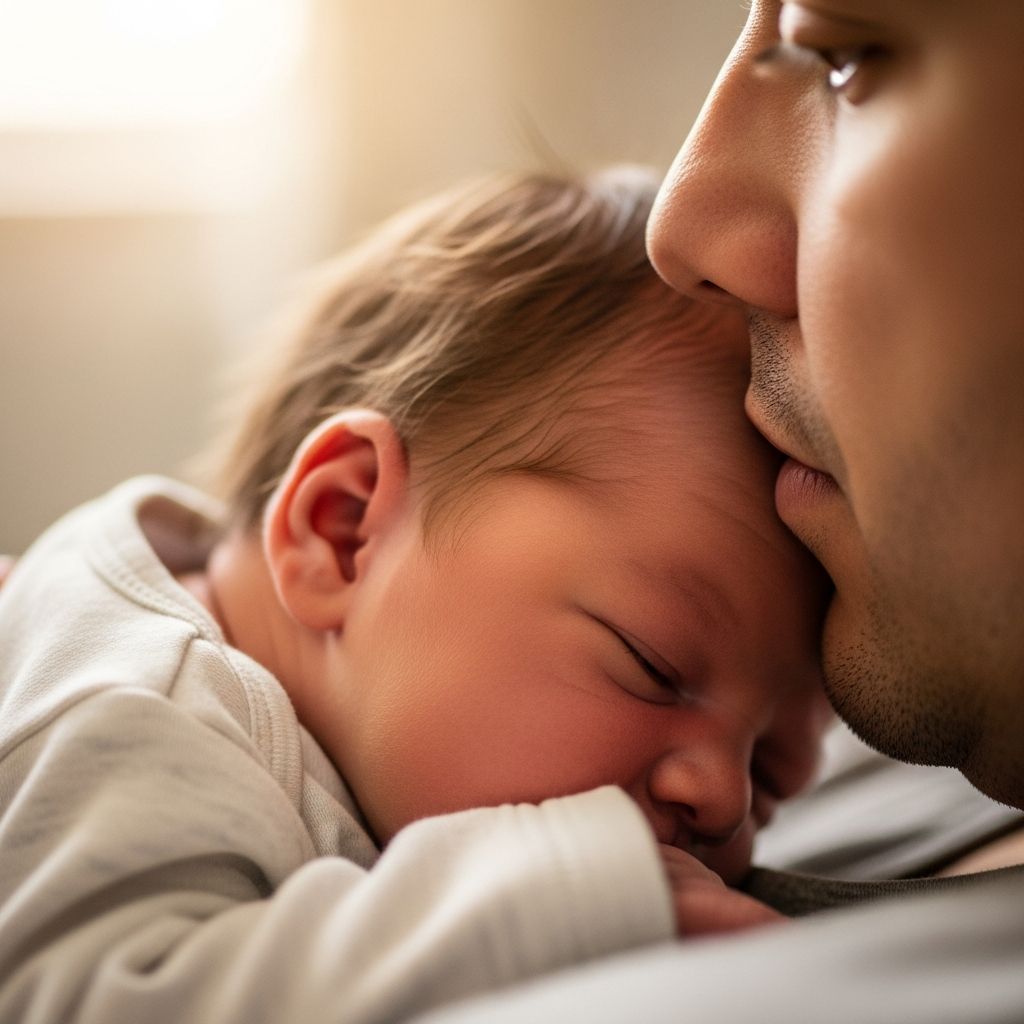
Every parent knows the distinctive, enchanting fragrance that emanates from a newborn—a scent so powerful it can evoke overwhelming feelings of tenderness and protection. But what exactly creates this olfactory magic? The answer lies in a fascinating blend of biological components that develop during pregnancy and persist through the first weeks of life.
The newborn fragrance is not a single chemical compound but rather a complex mixture of several substances that work in concert. When a baby is born, their skin is coated with vernix caseosa, a waxy, cream-colored substance that has been protecting their delicate skin during the entire gestation period. This protective coating contains oils and compounds that contribute significantly to the overall aroma. Additionally, amniotic fluid clings to the newborn’s body, carrying its own distinctive scent profile. The skin’s sweat glands, particularly those on the scalp, actively release secretions from the moment of birth, adding yet another layer to this multifaceted fragrance.
Research has identified that the specific chemical composition of baby scent differs notably from the body odor of older children and adolescents. While the molecular building blocks may be similar, babies produce a unique recipe featuring distinct proportions of compounds. Scientists have detected the presence of fats, proteins, and various volatile organic compounds that combine to create what many describe as an irresistibly sweet, earthy smell. One particularly intriguing compound is hexadecanal, an odorless chemical that babies emit and which appears to have profound effects on adult behavior and perception.
The temporality of newborn scent is equally important to understand. Unlike a baby’s appearance, which evolves and changes constantly, this distinctive fragrance is remarkably fleeting. It typically persists for only a few weeks, gradually fading as the vernix caseosa washes away and the infant’s skin develops its own established microbiome. This ephemeral quality adds to the specialness parents experience, creating a window of time when this particular olfactory experience is available.
Neural Pathways: How Baby Smell Affects the Adult Brain
Perhaps the most remarkable aspect of newborn fragrance is not what creates it, but rather how it affects the human brain. Neuroscience has revealed that smelling a baby triggers activation in multiple brain regions simultaneously, creating a coordinated response that goes far beyond simple olfactory perception.
When parents encounter their baby’s scent, functional magnetic resonance imaging (fMRI) studies show distinct activation patterns in the brain’s reward circuitry. Specifically, areas associated with pleasure, motivation, and positive reinforcement light up in response to infant body odors. This neural activation is not merely a passive sensation but an active engagement of the brain’s dopaminergic pathways—the same circuits that respond to other pleasurable stimuli. This explains the rush of warmth and affection many parents describe when cradling their newborn.
The strength of this neural response appears to correlate directly with how pleasant parents perceive the scent to be. In other words, those who find baby smell most delightful show the greatest activation in reward and pleasure centers. This creates a positive feedback loop: the baby smells appealing, the parent’s brain responds with pleasure signals, the parent feels motivated to maintain close contact, and this proximity strengthens the developing bond.
Interestingly, research indicates that mothers show a more robust brain response to newborn scent than non-mothers do. This suggests that pregnancy and childbirth may trigger hormonal or neurological changes that prime the maternal brain to respond more intensely to infant olfactory cues. The experience of carrying a baby through pregnancy appears to fundamentally alter neural sensitivity to baby scent, making mothers biologically primed to find their infant’s fragrance especially rewarding.
Furthermore, mothers show dramatically heightened responses to their own baby’s scent compared to the scent of unfamiliar infants. This personalized recognition demonstrates that the olfactory system is capable of distinguishing between different babies and responding with varying degrees of neural activation based on kinship and familiarity.
The Hormonal Orchestra: Oxytocin and Beyond
The sensory experience of a baby’s scent triggers a cascade of hormonal responses that fundamentally transform parental physiology. Chief among these is oxytocin, often called the “love hormone” because of its central role in attachment and bonding. When parents smell their newborn, oxytocin release is initiated, creating feelings of warmth, protectiveness, and emotional connection.
Oxytocin’s effects extend beyond subjective emotional experience. This hormone has measurable physiological consequences: it reduces stress hormone levels, promotes relaxation, and increases the inclination toward caregiving behaviors. For mothers specifically, oxytocin plays an additional crucial role in facilitating breastfeeding, as it triggers the milk letdown reflex essential for nursing.
The olfactory stimulation from baby scent creates a self-reinforcing cycle. The smell triggers oxytocin release, which increases parental motivation to stay close to the baby. Continued proximity means repeated olfactory exposure, which further elevates oxytocin levels. This biological feedback mechanism essentially locks parents into a state of heightened bonding and attentiveness during precisely the period when infants are most vulnerable and dependent.
Beyond oxytocin, newborn scent influences other neurotransmitter systems that affect mood, motivation, and social behavior. The dopamine release triggered by baby smell creates a rewarding experience that parents naturally want to repeat, encouraging sustained caregiving and interaction.
Infant Recognition and the Mutual Scent Bond
While much research focuses on how parents respond to baby scent, infants are equally engaged in this olfactory dialogue. Newborns are not passive recipients of parental affection but active participants in scent-based recognition and bonding.
From birth, babies demonstrate a marked preference for their mother’s scent over any other fragrance, including other mothers. This preference appears to be innate rather than learned, suggesting that prenatal exposure to maternal scent during pregnancy programs the infant brain to recognize and seek out that particular olfactory signature. When exposed to clothing worn by their mother, babies show calmer behavior, reduced stress responses, and increased contentment.
This mutual recognition system serves critical survival functions. In the primal environment where newborns are entirely dependent on their caregivers, the ability to recognize maternal scent provides a crucial safety signal. A baby who can identify and move toward their mother’s scent has a biological advantage, as this behavior ensures proximity to the food source, warmth, and protection necessary for survival.
The scent-based bonding between mother and infant begins well before birth. Amniotic fluid carries maternal olfactory signatures, allowing fetuses to become familiar with their mother’s unique scent profile during pregnancy. This prenatal priming means that at birth, the infant is not encountering their mother’s scent for the first time but rather recognizing a familiar, safe signal.
Babies also employ scent recognition in the context of breastfeeding. The natural scent of breast milk, combined with maternal skin odor, guides infants toward successful latching and feeding. This chemically-mediated behavior is so fundamental that it occurs without any conscious learning or instruction, demonstrating the deeply embedded evolutionary basis of scent-driven bonding.
Developmental Benefits: Beyond Emotional Connection
The bonding facilitated by mutual scent recognition produces tangible developmental benefits that extend far beyond the emotional realm. Infants who experience regular, secure olfactory contact with their primary caregivers demonstrate measurable advantages in physical and emotional health.
Stress Reduction and Emotional Regulation: Babies who have consistent exposure to their mother’s scent show significantly lower levels of cortisol, the primary stress hormone. Chronically elevated cortisol in infants can impair immune function, disrupt sleep patterns, and create a baseline state of anxiety. By contrast, regular maternal scent exposure creates a neurobiological context of safety that allows the infant’s nervous system to develop healthy stress response patterns.
Enhanced Sleep Quality: The calming effect of maternal scent can improve sleep architecture in newborns and preterm infants, promoting restorative sleep essential for growth and neural development. Many hospitals now utilize maternal scent as a non-pharmacological intervention in neonatal intensive care units.
Behavioral Regulation: Infants whose caregivers are emotionally bonded through scent-based mechanisms demonstrate better behavioral organization, more effective soothing responses to distress, and improved overall behavioral regulation.
Attachment Security: The foundation of secure attachment—one of the most important predictors of later social, emotional, and cognitive development—is substantially built through multisensory bonding including olfactory recognition. Secure attachment in infancy predicts better peer relationships, academic success, and mental health outcomes throughout childhood and into adulthood.
The Evolutionary Perspective: Why This System Evolved
The elaborate system of mutual scent recognition and neural reward in response to baby smell is not accidental but rather a product of millions of years of evolutionary refinement. This biological system exists because it solved critical survival problems in ancestral human environments.
Newborns are among the most helpless of all mammalian infants, requiring constant, attentive care for years simply to survive. In prehistoric environments, an infant who failed to bond with their caregiver would likely perish. Consequently, powerful mechanisms evolved to ensure that both mothers and infants were biologically motivated toward sustained, intimate contact and interaction.
Baby scent represents an elegant biological solution to this problem. By making babies smell appealing precisely when their absolute dependency is greatest, evolution ensured that parents would be motivated to maintain the physical proximity, warmth, and attentive care necessary for infant survival. The fact that the scent fades as the baby grows—requiring less constant physical contact—suggests that this system is calibrated to the actual developmental needs of infants.
Furthermore, the preferential response of mothers over non-mothers to baby scent reflects the evolutionary reality that biological mothers have greater genetic investment in ensuring offspring survival. Those ancestral mothers whose brains were most responsive to infant olfactory cues would have provided superior care, creating a selective advantage for heightened maternal response to baby scent.
Individual Variation and Scent Preferences
While the general human tendency to find baby smell appealing is nearly universal, individual variation in scent preference and intensity of response does occur. Some parents describe their baby as having an especially sweet or pleasant smell, while others note a more subtle or different aroma.
These variations likely arise from multiple sources. Genetic differences in olfactory receptor expression mean that different people may literally smell the same baby differently based on which receptors they possess. Maternal diet, skin health, and hormonal status influence the chemical composition of amniotic fluid and maternal scent. Additionally, individual experience and personal associations with various scents can shape how pleasant a parent finds their baby’s fragrance.
Some environmental factors also influence baby scent intensity. Babies who have been bathed retain less of the amniotic fluid and vernix caseosa components and therefore may smell noticeably different than immediately after birth. Ambient temperature, humidity, and proximity all affect scent perception. A baby wrapped in blankets in a cool room will have a different olfactory presence than a naked infant in warm conditions.
Implications for Modern Parenting Practices
Understanding the neurobiology of baby scent has practical implications for contemporary parenting approaches. Skin-to-skin contact, which maximizes olfactory exposure between parent and infant, is increasingly recognized by medical professionals as beneficial for both premature infants in hospital settings and term infants at home.
Some hospitals have begun using maternal scent strategically in neonatal intensive care units, placing cloth infused with the mother’s scent near premature infants to reduce stress and promote healing. This evidence-based intervention recognizes that the neurobiological systems evolved to respond to baby and maternal scent remain functional in contemporary humans, even when infants are born in hospital environments far removed from ancestral conditions.
The research also affirms that babywearing, co-sleeping arrangements, and other practices that maintain close proximity between parent and infant are aligned with biological systems that have evolved over millions of years. While individual families make different choices based on their circumstances and preferences, the science confirms that practices enabling frequent olfactory contact have legitimate developmental benefits.
Frequently Asked Questions
Q: How long does newborn smell typically last?
A: The distinctive newborn fragrance typically persists for two to four weeks after birth. This timeline corresponds with the gradual removal of vernix caseosa through bathing and natural skin shedding, as well as the establishment of the infant’s own microbiome. After this period, the baby’s scent gradually transitions to their individual body odor.
Q: Do all babies smell the same?
A: While newborns share certain common scent components derived from amniotic fluid and vernix caseosa, each baby has an individually distinctive smell. Mothers are particularly sensitive to these individual differences, with research showing they preferentially respond to their own baby’s scent compared to unfamiliar infants.
Q: If newborn smell decreases as babies age, does bonding also decrease?
A: No. While the intensity of the olfactory cue diminishes, bonding mechanisms diversify as babies develop other ways to engage with caregivers. Infants develop facial recognition, language comprehension, and interactive behaviors that provide new channels for deepening attachment. The early scent-based bonding provides a foundation, but the relationship continues to develop through many other mechanisms.
Q: Can adoptive parents benefit from understanding baby scent and bonding?
A: Absolutely. While adoptive mothers lack pregnancy-related hormonal priming, research suggests that direct physical contact and exposure to infant scent can still activate reward and bonding circuitry in their brains. The bonding process may follow a slightly different trajectory, but the neurobiological systems capable of responding to baby scent appear to remain functional regardless of biological parenthood status.
Q: Why do I smell my baby so frequently if they’re right next to me?
A: The reward-based activation of the brain in response to baby scent creates a feedback loop encouraging repeated olfactory engagement. Additionally, the scent changes throughout the day and in different contexts, so there is actually novelty in each olfactory experience. This behavioral drive to repeatedly smell the baby is a normal manifestation of the biologically ingrained bonding system.
Q: Does bathing a newborn remove the beneficial aspects of baby scent?
A: Bathing removes some components of baby scent, particularly amniotic fluid and the most volatile components of vernix caseosa. However, the underlying body scent from sweat glands and oils persists. Additionally, maternal scent transfer occurs whenever parents hold and are in close contact with their baby, so regular physical contact maintains the olfactory bonding experience even after bathing.
References
- The Science Behind Newborn Smell and Its Role in Mother-Infant Bonding — Mamazing. Accessed February 2, 2026. https://www.mamazing.com/blogs/parenting-tips/the-science-behind-newborn-smell-and-its-role-in-mother-infant-bonding
- Why Do Babies Smell Good? — The Bump. Accessed February 2, 2026. https://www.thebump.com/a/why-do-babies-smell-good
- New Baby Smell: Why Do They Smell So Good (or So Bad)? — Healthline. Accessed February 2, 2026. https://www.healthline.com/health/baby/baby-smell
- The scent of cuteness—neural signatures of infant body odors — PMC, National Center for Biotechnology Information. 2024. https://pmc.ncbi.nlm.nih.gov/articles/PMC11192622/
- Doctor Explains Newborn Baby Smell — YouTube. Accessed February 2, 2026. https://www.youtube.com/shorts/2wmEYlafjOQ
- Chemical emitted by babies could make men more docile, women more aggressive — Science Magazine. Accessed February 2, 2026. https://www.science.org/content/article/chemical-emitted-babies-could-make-men-more-docile-women-more-aggressive
Similar Articles





Read full bio of Sneha Tete