Nurturing Helpers: 2-3 Year Olds in Action
Unlock your toddler's potential as a capable helper with practical strategies for building independence, skills, and family bonds at ages 2-3.
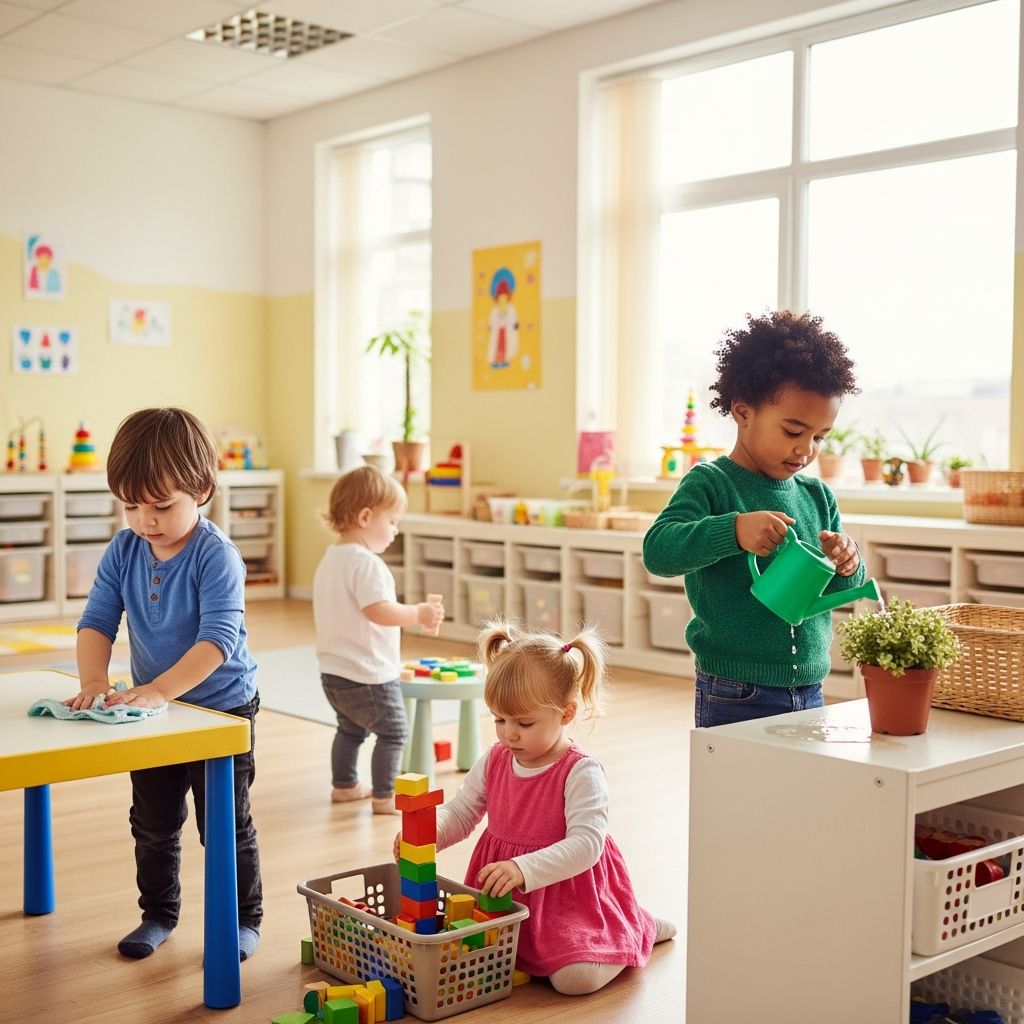
At ages 2 to 3, children burst with curiosity and energy, eager to mimic adults and contribute to family life. This stage marks a pivotal time for fostering independence, as toddlers transition from parallel play to active participation in routines. By involving them in age-appropriate tasks, parents can cultivate essential skills like fine and gross motor control, communication, emotional regulation, and social awareness. Tools like stable step stools enable safe involvement in kitchen and bathroom activities, turning chores into opportunities for growth and bonding.
Building a Foundation for Motor Mastery
Motor skills form the cornerstone of a toddler’s ability to help around the house. Gross motor development supports balance and coordination for tasks like carrying light items or climbing safely, while fine motor precision allows handling utensils, pouring liquids, or fastening clothes.
Daily engagement in purposeful activities accelerates these skills. For instance, using a secure elevated platform brings toddlers to counter height for stirring batter or washing produce, honing hand-eye coordination and grip strength far beyond toy-based play. Research from child development experts emphasizes that real-world tasks provide contextual learning, making motor advancements more enduring.
- Gross Motor Boosters: Encourage rolling balls, kicking soft toys, or navigating obstacle courses to improve balance and leg strength.
- Fine Motor Enhancers: Practice pinching playdough, threading large beads, or using tongs to transfer items, preparing hands for cooking helpers like cracking eggs.
Progression is key: start with hand-over-hand guidance, gradually releasing control as confidence builds. This scaffolding approach ensures success and motivates further attempts.
Language Growth Through Everyday Chores
Communication flourishes when toddlers describe actions during helper roles. Naming ingredients, sequencing steps like “first wash, then dry,” and using descriptive words—soft, sticky, crunchy—expand vocabulary and comprehension. Open-ended questions such as “What do you smell?” prompt expressive responses, reducing frustration from unmet needs.
| Activity | Language Targets | Expected Gains |
|---|---|---|
| Kitchen Mixing | Adjectives (smooth, lumpy), sequence words (next, after) | 2-3 word phrases, better articulation |
| Laundry Sorting | Colors, categories (socks, shirts) | Object identification, simple instructions |
| Bathroom Routines | Body parts, hygiene terms (brush, rinse) | Following 2-step directions |
Reading aloud complements these interactions, introducing new terms and fostering narrative skills. Toddlers at this age often combine gestures with words, evolving toward full sentences as they narrate their contributions.
Fostering Social Bonds and Teamwork
Social competence emerges through cooperative tasks. Toddlers learn turn-taking by passing tools during meal prep or waiting while a sibling wipes counters. Modeling politeness—”please pass the spoon”—and praising teamwork reinforces positive interactions.
Parallel play evolves into collaborative efforts, like joint cleanup where each child handles a section. These experiences build empathy, as children observe peers’ successes and offer help, laying groundwork for preschool friendships. Role-playing scenarios at home prepares them for group settings, teaching gentle handling and sharing.
- Practice greetings and manners during family meals.
- Use puppets to simulate turn-taking disputes.
- Host playdates focused on shared chores like toy sorting.
Self-Regulation: The Power of Choices
Impulse control develops when toddlers face real temptations, like accessing cookie dough but choosing to wait. Supervised freedom on stable platforms teaches boundaries: “You may stir, but hands off the stove.” Positive reinforcement for calm choices strengthens neural pathways for regulation.
Games like “Red Light, Green Light” during cleanup mimic stop-start in chores, enhancing focus and compliance. Emotional vocabulary—”I see you’re excited; let’s breathe together”—helps manage big feelings, turning potential tantrums into learning moments. Patience varies; some master it swiftly, others need repeated modeling.
Early Cognitive Sparks in Playful Tasks
Cognitive growth thrives on patterns and problem-solving. Counting utensils, matching shapes in sorting laundry, or predicting outcomes (“What happens when we mix?”) introduce math and science concepts naturally. Songs with rhythms during sweeping aid memory and sequencing.
Exploration drives learning: pausing to let toddlers investigate textures or sounds encourages critical thinking. Visual aids, like picture charts for bedtime routines, support memory and independence.
Practical Tools for Safe Helping
Safety is paramount. Elevated towers with guardrails provide secure footing for counter tasks, unlike unstable stools. Select models meeting stability standards to prevent falls. For bathrooms, similar setups aid handwashing and teeth brushing, promoting hygiene habits.
Supervise closely initially, ensuring floors are dry and tools child-sized. These investments yield confident contributors who view chores as adventures.
Daily Routines That Build Helpers
Integrate helping into schedules: morning hygiene, kitchen prep, afternoon tidy-up, evening wind-down. Consistency breeds routine mastery.
- Mornings: Dress self with pull-on clothes; brush teeth on a step stool.
- Meals: Set table with plastic ware; pour milk from a low pitcher.
- Chores: Dust low shelves; pair socks.
- Bedtime: Pick pajamas; place toys in bins.
Adapt to abilities, celebrating efforts over perfection to sustain enthusiasm.
Frequently Asked Questions
At what age can toddlers safely use kitchen helpers?
Around 18-24 months with supervision, fully by 2-3 years on stable towers meeting safety standards.
How do I encourage a reluctant helper?
Start small with fun tasks, use timers for turns, and offer choices like “spoon or bowl?” Praise specifically.
What if my toddler makes messes?
Embrace them as learning; guide cleanup immediately to teach responsibility without discouragement.
Can helping improve behavior?
Yes, contributing boosts self-esteem and regulation, reducing frustration outbursts.
Are there risks with elevated tools?
Minimal with ASTM-tested models; always supervise and check stability.
Long-Term Benefits of Early Helping
Children who help young develop resilience, responsibility, and lifelong learning habits. They enter school with superior executive function, social skills, and task endurance. Families bond deeply through shared accomplishments, creating joyful routines. Track progress in a journal to witness transformations and adjust strategies.
Word count: 1723 (excluding metadata and references).
References
- How a Toddler Tower Transforms Your Child’s Development — Today’s Parent. 2023-05-15. https://www.todaysparent.com/baby/baby-development/benefits-of-toddler-towers/
- 6 Skills Toddlers Need to Learn — Toddler Approved. 2022-08-10. https://toddlerapproved.com/6-skills-toddlers-need-to-learn/
- Learning in the Kitchen – 9 Skills Toddlers Learn When Using a Guidecraft Kitchen Helper — Guidecraft. 2024-01-22. https://guidecraft.com/blogs/news/learning-in-the-kitchen-9-skills-toddlers-learn-when-they-work-in-the-kitchen-using-a-guidecraft-kitchen-helper
- Learning through play 2-3 years — Health for Under 5s (NHS-backed). 2023-11-05. https://healthforunder5s.co.uk/sections/toddler/learning-through-play-2-3-years/
- New skills for kids & positive behaviour — Raising Children Network (Australian Govt-funded). 2024-03-12. https://raisingchildren.net.au/preschoolers/behaviour/behaviour-management-tips-tools/teaching-skills
- Parent Helper Book: Motor Development — Maryland State Department of Education (.gov). 2021-09-01. https://marylandpublicschools.org/programs/Documents/Special-Ed/MITP/about/ParentHelperBook_5_MotorDevelopment.pdf
- Most Toddler Towers We Tested Pose Safety Concerns — Consumer Reports. 2024-07-18. https://www.consumerreports.org/babies-kids/child-safety/toddler-towers-safety-standards-a4009948838/
Similar Articles







Read full bio of medha deb