Can Orgasms Boost Your Fertility?
Discover how female orgasms might enhance conception through contractions, hormones, and stress relief for better fertility outcomes.
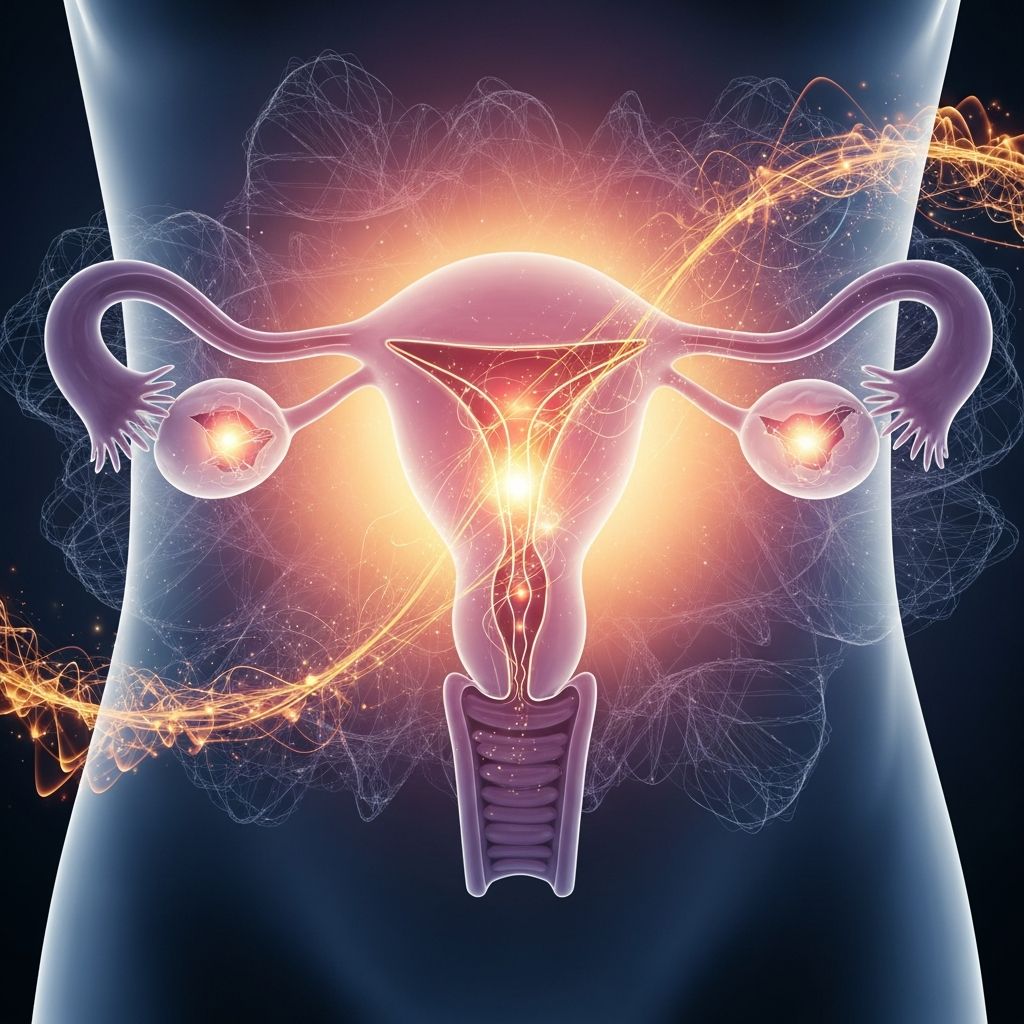
Female orgasms may indirectly support conception by promoting uterine contractions that aid sperm movement, releasing oxytocin to reduce stress, and strengthening pelvic floor muscles essential for reproductive health.
The Science of Orgasms in Reproduction
During orgasm, the female body experiences rhythmic contractions in the uterus and pelvic region. These movements could theoretically assist in drawing semen closer to the cervix, creating a more favorable environment for sperm to travel toward the egg. Researchers have proposed that this ‘upsuck’ mechanism, involving uterine and pelvic floor contractions, helps transport sperm efficiently.
Oxytocin, often called the ‘love hormone,’ surges during climax. This hormone not only fosters emotional bonding but may also facilitate sperm motility by enhancing pelvic blood flow and cervical dilation. However, evidence remains mixed, with some studies questioning direct causation while acknowledging potential benefits.
How Uterine Contractions Might Aid Sperm Transport
Uterine contractions during orgasm mimic a peristaltic pump, potentially propelling sperm from the vagina into the uterus and fallopian tubes. A study measuring sperm backflow found less expulsion in women who orgasmed, suggesting higher retention rates.
- Contractions create a vacuum-like effect, pulling semen upward.
- Increased lubrication and cervical openness ease sperm passage.
- Oxytocin boosts these contractions, linking pleasure to procreation.
Historical experiments, like those by Masters and Johnson in the 1950s, tested this using dyed semen and X-rays but found no definitive proof of enhanced retention. Modern views emphasize indirect advantages over mechanical ones.
Pelvic Floor Strength and Fertility Success
A robust pelvic floor supports fertility by improving uterine positioning and semen retention. Orgasms naturally exercise these muscles, enhancing tone and function. Weak pelvic floors, common in sedentary lifestyles, can hinder conception; regular climaxes offer a pleasurable strengthening method.
| Factor | Role in Fertility | Orgasm Benefit |
|---|---|---|
| Uterine Contractions | Sperm transport | Rhythmic pulsing aids movement |
| Pelvic Floor Tone | Semen retention | Natural muscle workouts |
| Oxytocin Release | Stress reduction | Promotes bonding and relaxation |
| Cervical Environment | Sperm viability | Improved lubrication and dilation |
Oxytocin’s Dual Role in Pleasure and Pregnancy
Oxytocin peaks at orgasm, triggering contractions while countering stress hormones like cortisol, which impair fertility. Lower stress levels correlate with better ovulation and implantation rates. Couples enjoying intimacy report higher conception success, partly due to this hormonal balance.
Critics argue systemic oxytocin doesn’t selectively boost fertility without bulk semen transport, which isn’t observed. Yet, local effects in the reproductive tract may still apply, warranting further research.
Debunking Myths: What Science Really Says
No study proves orgasm is essential for conception—many pregnancies occur without it. The ‘vacuum theory’ lacks overwhelming support, but pleasure indicators like orgasm signal comfort, vital for timed intercourse.
- 1993 hypothesis by Baker and Bellis: Orgasm as evolutionary adaptation for sperm favoritism.
- Manchester study: More sperm retention post-orgasm.
- Masters & Johnson: No mechanical upsuck confirmed.
Consensus: Orgasms enhance the experience, potentially tipping odds favorably without being mandatory.
Emotional and Psychological Benefits for Couples
Fertility journeys stress relationships; orgasms release endorphins, improving mood, sleep, and immunity. Intimacy fosters pair bonding, encouraging frequent, relaxed sex during fertile windows.
For infertility treatments like IVF, orgasm reduces anxiety, aiding emotional resilience. Positive sexual experiences sustain motivation amid challenges.
Practical Tips for Maximizing Fertility Through Pleasure
Incorporate enjoyment into conception efforts:
- Focus on foreplay to heighten arousal and contractions.
- Practice pelvic floor exercises (Kegels) alongside sexual activity.
- Time intercourse for ovulation, prioritizing relaxation over performance.
- Explore positions promoting deep penetration for better semen placement.
- Communicate openly to ensure mutual satisfaction.
Avoid pressure; stress-free sex aligns with natural cycles.
Potential Drawbacks and Realistic Expectations
Not all women orgasm easily during intercourse, yet conceive successfully. Over-focusing may heighten anxiety, counterproductive to fertility. Individual variability—hormones, health, age—affects outcomes more than single climaxes.
Frequently Asked Questions (FAQs)
Do I need to orgasm to get pregnant?
No, conception happens without orgasm frequently. It’s supportive, not required.
Can orgasms improve sperm retention?
Some evidence suggests yes, via reduced backflow and contractions.
Does oxytocin from orgasm directly boost fertility?
It aids contractions and stress relief, indirectly benefiting conception.
How often should couples have sex when trying to conceive?
Every 1-2 days during fertile window; enjoyment enhances consistency.
Are there positions that help with orgasm and fertility?
Missionary or rear-entry may aid depth and contractions; prioritize comfort.
Integrating Pleasure into Your Fertility Plan
View sex as more than mechanics—embrace sensuality to optimize reproductive health. Strong pelvic floors, low stress, and bonding amplify chances. Consult specialists for personalized advice, blending science with joy.
While direct links are debated, the holistic benefits of orgasmic health are undeniable for aspiring parents.
References
- Orgasms and the pelvic floor: their relationship with fertility — Barcelona IVF. 2023. https://barcelonaivf.com/en/blog/health-and-fertility/orgasms-and-the-pelvic-floor-their-relationship-with-fertility
- Will having orgasms help me conceive? — Ovia Health. 2023. https://www.oviahealth.com/guide/107/will-having-orgasms-help-me-conceive/
- The Oxytocin Released by the Human Female Orgasm Boosts Sperm Transport — JSciMed Central. 2018-01-15. https://www.jscimedcentral.com/jounal-article-info/Journal-of-Pharmacology-and-Clinical-Toxicology/The-Oxytocin-Released-by-the–Human-Female-Orgasm-Boosts–Sperm-Transport-to-Enhance–Fertility–a-New-Review-of-an–Outdated-Zombie-Concept-6091
- Female Orgasm and Conception: Unveiling the Facts — Positive Steps Fertility. 2023. https://positivestepsfertility.com/blog/female-orgasm-and-conception/
- Measuring sperm backflow following female orgasm: a new method — PMC (NCBI). 2016-10-19. https://pmc.ncbi.nlm.nih.gov/articles/PMC5087695/
- Does the orgasm in a woman increase the chances of getting pregnant? — El Centro de la Fertilidad. 2023. https://elcentrodelafertilidad.com/en/does-the-orgasm-in-a-woman-increase-the-chances-of-getting-pregnant/
- 9 Health Benefits of the Female Orgasm — Tia. 2023. https://asktia.com/article/female-orgasm-health-benefits/
Similar Articles








Read full bio of medha deb