Overcoming Bottle Refusal In Infants: Practical Tips
Practical strategies to help your breastfed baby accept the bottle and ease feeding transitions for parents.
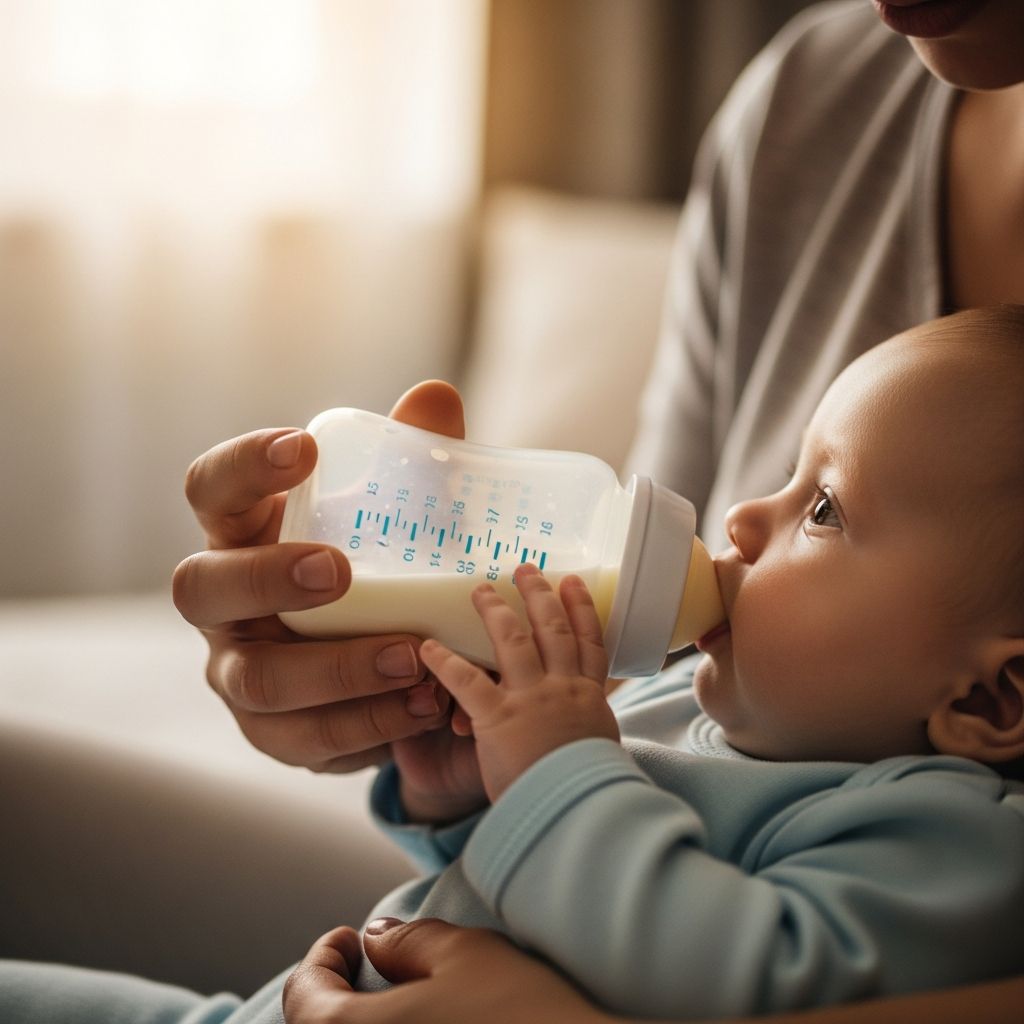
Overcoming Bottle Refusal in Infants
Many parents encounter the challenge of bottle refusal, particularly with breastfed babies who prefer the familiarity of nursing. This common issue stems from differences in feeding mechanics between breast and bottle, but with targeted approaches, most infants adapt successfully. Understanding the underlying causes and applying practical solutions can transform feeding routines.
Understanding Why Babies Reject Bottles
Bottle refusal often arises because the sucking, swallowing, and breathing coordination required for bottle feeding differs significantly from breastfeeding. Traditional bottle nipples deliver milk faster and in larger volumes, overwhelming babies accustomed to the controlled flow at the breast. Babies may also refuse due to hunger levels—either too ravenous or not hungry enough to experiment—or a preference for the breast’s comfort and scent.
- Flow rate mismatch: Bottles flood milk too quickly, disrupting the natural rhythm.
- Sensory differences: Nipple texture, temperature, or milk taste variations can deter acceptance.
- Timing issues: Offering during fussiness or illness heightens rejection.
Recognizing these factors allows parents to address them systematically, reducing stress for both baby and caregiver.
Selecting the Ideal Bottle and Nipple
Choosing equipment that mimics breastfeeding increases acceptance rates. Opt for bottles with wide, breast-shaped nipples and slow-flow designs that regulate milk delivery to match nursing patterns. These promote the same suck-swallow-breathe cycle, easing the transition.
| Bottle Type | Key Features | Best For |
|---|---|---|
| Breast-like slow-flow | Controlled drip, soft silicone nipple | Newborns transitioning from breast |
| Natural flow with vent | Anti-colic system, angled nipple | Reducing air intake and gas |
| Standard narrow neck | Affordable, multiple nipple levels | Trial for older infants |
Test multiple options, consulting a pediatrician or lactation specialist for personalized recommendations, as nipple levels should align with feeding style rather than age alone.
Mastering the Right Timing for Introduction
Timing is crucial for success. Offer the bottle when your baby is contentedly hungry—around mid-morning or upon waking—avoiding overtired evenings or excessive hunger that leads to frustration. Healthy babies learn best during calm periods; postpone during colds or teething.
- Observe your baby’s natural hunger cues: rooting, hand-to-mouth movements.
- Start early in the day for better temperament.
- Alternate with breastfeeding sessions to build flexibility without full replacement.
Gradual exposure over days or weeks prevents aversion, with many babies needing several attempts.
Positioning and Feeding Techniques That Work
Replicate breastfeeding positions to make the bottle feel familiar. Hold baby semi-upright, skin-to-skin if possible, and use a different caregiver to avoid breast association. Tickle the upper lip with the warmed nipple to trigger rooting, then angle it toward the palate for proper latch.
- Mimic nursing: Switch sides midway, pause for burps, let baby control pace.
- Movement aids: Sway, walk, or use a carrier for distraction and comfort.
- Head tilt: Slight forward tilt ensures steady flow without flooding.
These methods minimize differences, fostering positive associations.
Adjusting Milk Temperature and Composition
Sensory details matter. Warm milk to body temperature (about 98°F) and use fresh pumped breast milk initially, progressing to refrigerated or thawed as tolerated. For formula transitions, mix incrementally: 25% formula to 75% breast milk, then 50/50, up to full formula over days.
Avoid soap residue on nipples by rinsing thoroughly; test temperature on your wrist. These tweaks address taste or feel rejections effectively.
Building Oral Skills with Pacifiers and Play
Pacifiers strengthen sucking reflexes. Offer consistently for soothing, then gently tug during use to teach seal maintenance, prepping for bottle latch. Begin with an empty, clean nipple for play—let baby mouth it like a toy to reduce novelty aversion.
Progress to semi-reclined feeding with supported limbs, inserting the nipple vertically for self-latching practice. This low-pressure buildup builds confidence.
Alternative Feeding Methods for Stubborn Cases
If bottles fail, pivot temporarily. Use a medicine cup, spoon, or straw sippy for upright feeding—touch to lips, letting baby sip at their pace to avoid choking. For older infants (4+ months), breast milk popsicles provide hydration and practice.
- Cup feeding: Swaddle upright, drip slowly.
- Sippy straw: Flexible for self-drinking.
- Spoon: Gentle lip touch for control.
These ensure nutrition while troubleshooting bottles, often resolving refusal indirectly.
Troubleshooting Persistent Refusal
Daycare struggles? Ensure consistency in routines and equipment. If refusal persists beyond two weeks of trials, check for medical issues like reflux or oral ties via pediatric evaluation. Track intake: adequate wet diapers (6+ daily) signal no starvation risk.
Patience is key—most resolve with persistence. Involve partners for non-maternal feeds to decouple from breastfeeding cues.
Common Myths About Bottle Refusal
| Myth | Fact |
|---|---|
| It’s permanent if they refuse once. | Multiple tries needed; persistence pays off. |
| Only mom should feed. | Dad/others succeed better initially. |
| Faster flow nipples help. | Slow flow matches breast best. |
Frequently Asked Questions (FAQs)
How long does bottle refusal typically last?
Most babies accept within 1-2 weeks of consistent, gentle trials using optimal techniques.
Can I force the bottle?
No—pressure increases aversion. Stay relaxed and let baby lead.
What if my baby arches away?
Try movement, upright positions, or alternatives like cup feeding.
Is formula refusal different?
Yes; transition gradually from breast milk to avoid taste rejection.
When to see a doctor?
If fewer than 6 wet diapers daily or weight gain stalls.
Long-Term Feeding Flexibility Benefits
Mastering bottle acceptance empowers parental relief, enables caregivers, and prepares for weaning. Combined strategies yield 90% success in home settings, per clinical observations. Monitor growth charts from reliable pediatric guidelines to confirm thriving.
References
- Breastfed Baby Refusing a Bottle? Try These Tactics — mōmi. 2023. https://momi.baby/blogs/momtech/breastfed-baby-refusing-a-bottle-try-these-tactics
- What to Do When Your Breastfed Baby Won’t Take a Bottle — Rachel O’Brien IBCLC. 2023. https://www.rachelobrienibclc.com/blog/what-to-do-when-your-breastfed-baby-wont-take-a-bottle-introducing-a-bottle-part-3/
- What to Do When Baby Won’t Take a Bottle — HealthPartners. 2024-01-16. https://www.healthpartners.com/blog/baby-wont-take-bottle-help/
- Bottle Refusal — IABLE. 2023. https://lacted.org/iable-breastfeeding-education-handouts/bottle-refusal/
- Tips for Times When Your Baby Won’t Take a Bottle — Philips Avent. 2023. https://www.usa.philips.com/c-e/mo/parents-guide/infant-feeding/tips-for-times-when-your-baby-wont-take-a-bottle.html
Similar Articles







Read full bio of Sneha Tete