Overcoming Separation Fears: 19-24 Month Milestones
Discover how toddlers aged 19-24 months naturally outgrow separation anxiety, building independence with proven parental strategies.
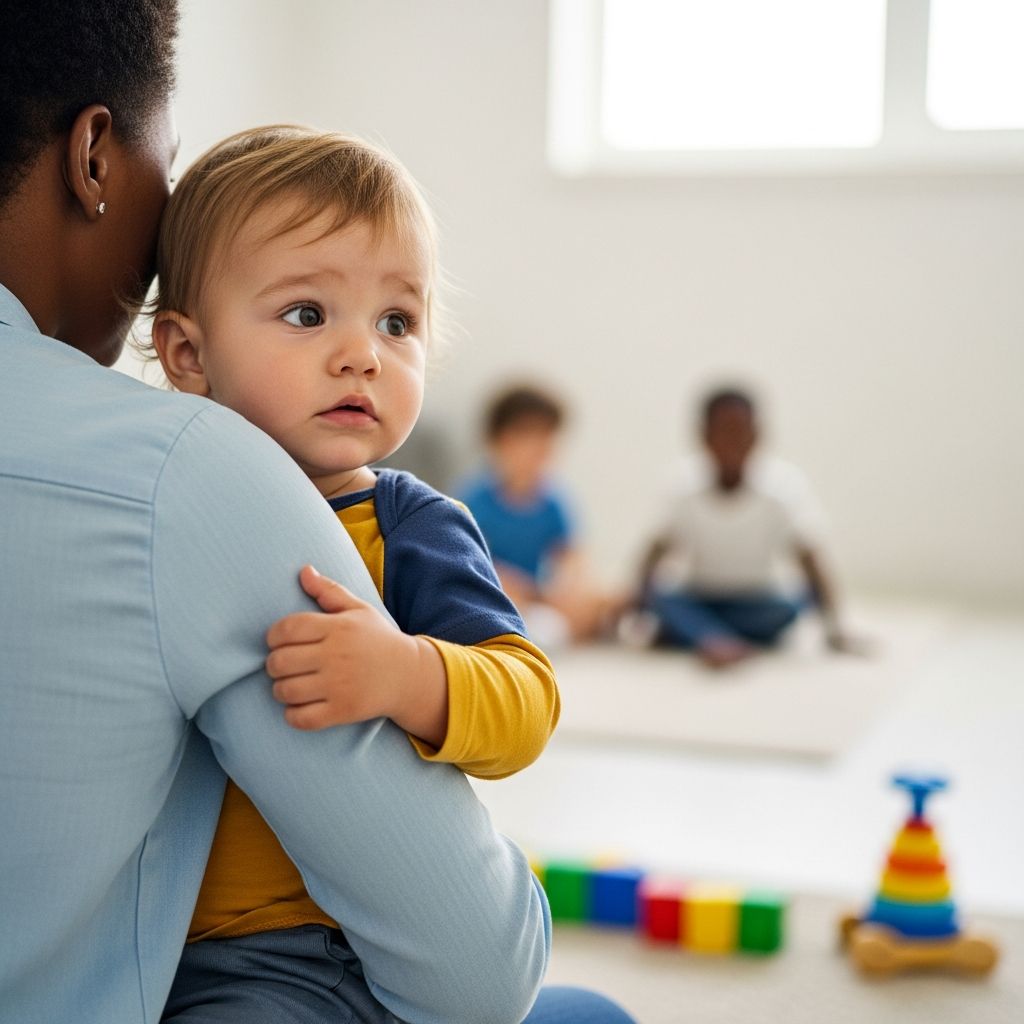
Toddlers between 19 and 24 months often experience a natural decline in separation anxiety, marking a pivotal shift toward greater independence. This phase reflects cognitive growth, where children begin grasping that caregivers return after brief absences, reducing distress during partings.
Understanding the Developmental Shift in Toddlers
During the 19-24 month period, children’s brains mature significantly, enhancing object permanence—the realization that objects and people persist even when unseen. Initially emerging around 8 months, this concept strengthens by age 2, allowing toddlers to tolerate separations better as they anticipate reunions.
Unlike the intense protests seen in younger infants, 19-24 month olds display milder reactions. They might wave goodbye or engage briefly with others before showing mild upset, signaling emotional regulation progress. This evolution stems from secure attachments formed through consistent caregiving, fostering trust in the world.
Research from pediatric authorities notes that by 24 months, most children navigate drop-offs at daycare or playgroups with minimal tears, transitioning to exploration and play shortly after. This milestone supports social skill development, as toddlers interact more freely without constant parental proximity.
Recognizing Normal Behaviors vs. Warning Signs
Typical behaviors include brief clinginess or fussing upon separation, resolving within minutes. Children may follow parents room-to-room but increasingly occupy themselves with toys or peers.
However, persistent symptoms warrant attention. Compare normal vs. concerning signs in this table:
| Normal (19-24 Months) | Concerning (Possible Disorder) |
|---|---|
| Short cries calming quickly | Prolonged tantrums lasting over 30 minutes |
| Plays independently after initial upset | Refuses all activities without parent |
| Understands simple goodbyes | Recurrent nightmares about loss |
| Mild worry about parent’s return | Excessive fears of harm or abandonment |
When anxiety disrupts daily routines like sleep or preschool attendance, it may indicate separation anxiety disorder (SAD), affecting 4% of children and requiring evaluation.
Practical Strategies to Support Your Toddler
Parents play a crucial role in smoothing this transition. Establish predictable routines: announce departures calmly, like “Mommy’s going to the store and will be back after lunch.” Practice short separations at home, such as room-to-room play, gradually extending time.
- Positive goodbyes: Keep partings brief and upbeat; avoid sneaking away, as it erodes trust.
- Comfort objects: Introduce a familiar blanket or toy for security during absences.
- Role-playing: Use dolls to simulate separations, reinforcing return concepts.
- Consistent caregivers: Limit new faces initially to build familiarity.
For bedtime anxieties, maintain rituals like stories and songs, gradually reducing proximity. Night lights and open doors can ease solo sleeping.
Building Emotional Resilience Through Play and Routines
Play therapy elements at home bolster confidence. Encourage parallel play with peers, where toddlers mimic independence. Parks or structured groups expose children to separations naturally.
Daily schedules anchor security: fixed mealtimes, naps, and play slots predictably include reunions. Praise efforts, like “You played so well with blocks while I cooked!” to reinforce self-reliance.
Physical activity tires toddlers healthily, reducing evening fussiness. Outdoor time enhances mood via endorphins, aiding emotional balance.
Age-Specific Insights: From 19 to 24 Months
19-20 Months: Emerging Tolerance
At this stage, toddlers test boundaries, alternating between exploration and check-ins. Expect doorway hovering but growing acceptance of playdates.
21-22 Months: Confidence Building
Language blooms, enabling expressions like “Back soon?” Respond affirmatively to affirm reliability.
23-24 Months: Independence Peaks
Most join group activities eagerly, with separations under 5 minutes. This prepares for preschool transitions.
Addressing Sleep Disruptions Linked to Anxiety
Night wakings often tie to daytime stresses. Consistent bedtime routines and dream discussions mitigate fears. Avoid co-sleeping regressions unless necessary, favoring gradual withdrawal.
Table of sleep strategies:
| Issue | Solution |
|---|---|
| Nighttime crying | Comfort without removing from crib; soothe verbally |
| Refusal to sleep alone | Chair beside crib, inch away nightly |
| Separation nightmares | Pre-bed relaxation stories |
When to Consult a Professional
Seek pediatric advice if anxiety persists beyond 24 months, includes physical complaints like stomachaches, or impedes growth milestones. Therapies like CBT for kids or family counseling prove effective.
Early intervention prevents escalation; disorders untreated can impact school performance.
Frequently Asked Questions (FAQs)
Is separation anxiety normal at 20 months?
Yes, mild forms are developmental norms, peaking earlier and fading by 24 months with support.
How long should drop-off distress last?
Under 10-15 minutes; longer signals need for strategies.
Can daycare worsen anxiety?
Quality programs with low ratios help; choose those emphasizing smooth transitions.
What if my toddler clings constantly?
Gradual exposure and praise build independence; monitor for disorder signs.
Does ignoring cries help?
No—responsive comforting teaches security; ignore only after reassurance.
Long-Term Benefits of Navigating This Phase
Mastering separations equips toddlers with resilience, aiding peer bonds and adaptability. Parents fostering this growth nurture secure adults.
Track progress via journals: note separation durations and reactions weekly. Celebrate milestones to motivate.
References
- Age-by-age symptoms of separation anxiety disorder and how to help your child — CHOC Children’s. 2023-05-15. https://health.choc.org/age-by-age-symptoms-of-separation-anxiety-disorder-and-how-to-help-your-child/
- Separation Anxiety in Infants and Toddlers — Baptist Health. 2024-02-10. https://www.baptisthealth.com/blog/family-health/separation-anxiety-in-infants-and-toddlers
- Separation anxiety disorder – Symptoms and causes — Mayo Clinic. 2025-01-20. https://www.mayoclinic.org/diseases-conditions/separation-anxiety-disorder/symptoms-causes/syc-20377455
- Separation Anxiety in Toddlers & Babies — Cleveland Clinic. 2024-08-12. https://my.clevelandclinic.org/health/articles/separation-anxiety-in-babies
- Separation Anxiety Disorder — St. Louis Children’s Hospital. 2023-11-05. https://www.stlouischildrens.org/conditions-treatments/separation-anxiety-disorder
Similar Articles








Read full bio of Sneha Tete