Bonding Through Movement: Parent-Child Yoga
Strengthen your connection with your child through accessible yoga poses designed for two.
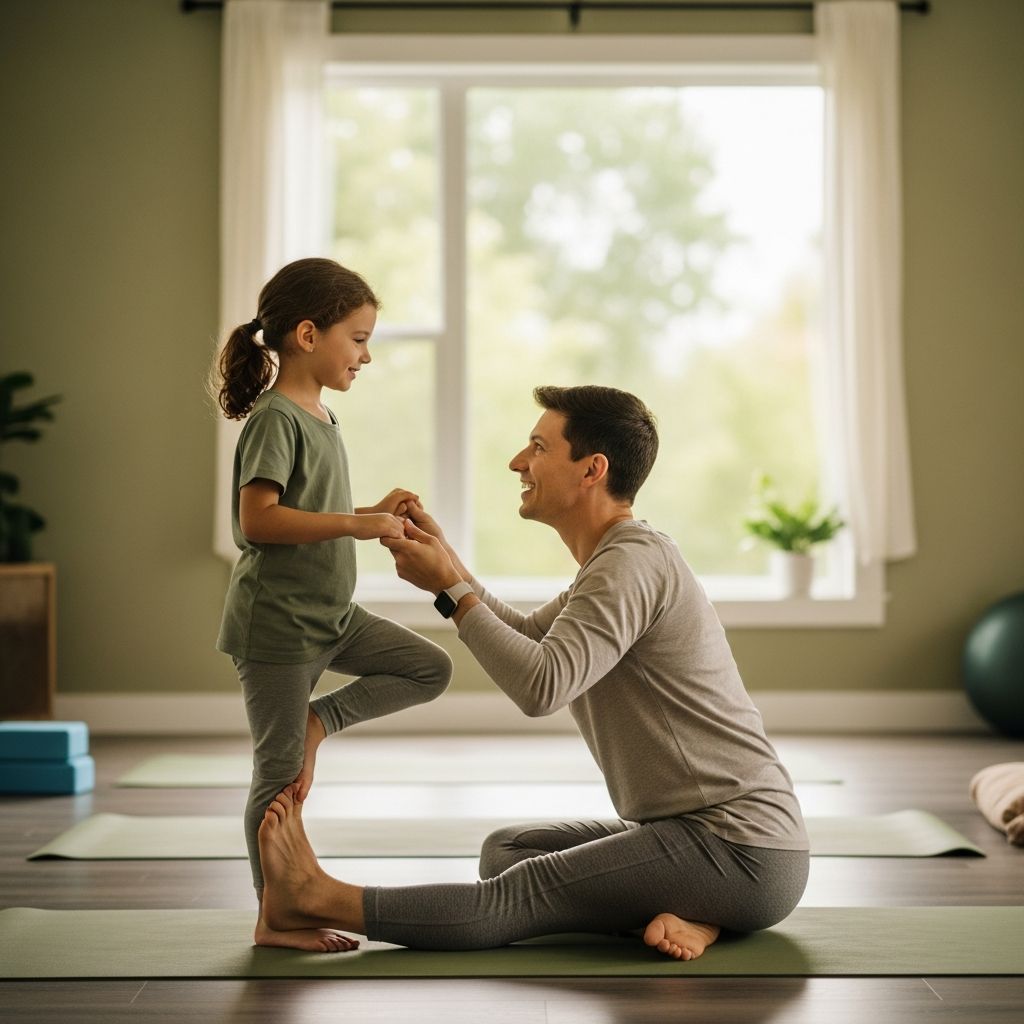
Creating Meaningful Movement Moments with Your Child
Yoga offers a unique opportunity for parents and children to move together in ways that build both physical strength and emotional connection. Unlike traditional exercise routines, yoga emphasizes mindfulness, breathing, and body awareness—qualities that can transform ordinary moments into meaningful shared experiences. When you invite your child to join your yoga practice, you’re not simply exercising together; you’re creating a foundation for lifelong wellness habits and deepening your relationship through synchronized movement.
The beauty of practicing yoga as a family lies in its accessibility and adaptability. Whether your child is a toddler or a teenager, poses can be modified to suit their developmental stage and physical capabilities. This article explores eight effective parent-child yoga poses that you can incorporate into your home practice, along with practical guidance for making the experience enjoyable and beneficial for both of you.
Why Yoga Works for Parent-Child Bonding
Research in developmental psychology shows that shared physical activities strengthen attachment between parents and children. When you practice yoga together, you’re engaging in coordinated movement that requires trust, communication, and mutual support. Your child learns that their parent values their physical presence and emotional involvement, while you gain insight into your child’s body awareness and confidence levels.
Yoga also teaches children valuable coping mechanisms for managing stress and emotions. By learning breathing techniques and grounding poses early in life, children develop tools they can access independently when facing challenges. These practices become internal resources they carry into adulthood, making family yoga sessions an investment in their long-term emotional resilience.
Preparing Your Space and Setting Intentions
Before introducing partner yoga to your child, create an environment that encourages exploration and play. Clear a space large enough for two people to move comfortably without bumping into furniture or other obstacles. A yoga mat provides a designated boundary that signals to your child this is a special activity time.
Consider these preparation steps:
- Choose a time when your child is well-rested and not hungry, as these factors significantly affect their ability to focus
- Wear comfortable clothing that allows full range of motion
- Remove phones and other distractions from your practice area
- Let your child choose one or two poses from the suggestions to give them agency in the practice
- Have water available for hydration breaks
Setting a simple intention together—even something as basic as “today we practice together with kindness”—helps frame the experience as something meaningful rather than just physical exercise.
Eight Dynamic Parent-Child Yoga Poses
1. Boat Pose Connection
Boat Pose becomes a collaborative challenge when practiced together. Sit facing your child with your knees bent and feet on the floor. Hold hands or forearms with your child while both of you lean back slightly, lifting your feet off the ground. Your legs should form a V-shape when you connect at the feet or shins. This pose builds core strength in both participants while requiring balance and trust. If your child struggles with balance, modify by keeping feet on the ground while practicing the upper body connection. The shared challenge and mutual encouragement make this pose particularly enjoyable for children who respond well to playful competition.
2. Double Tree Pose
Stand beside your child with your arms around each other’s waists or shoulders. Both partners place one foot firmly on the ground and lift the other foot, placing it on the inner thigh of the standing leg. Extend your free arms overhead or out to the sides as a unit. This pose develops balance, focus, and lateral body awareness. For younger children, they may place their lifted foot lower on the inner thigh or simply rest it against the opposite leg. The physical connection between you provides stability while you model proper alignment and breathing for your child.
3. Partner Forward Fold
Sit across from your child with both of you having soles of your feet pressed together in a butterfly or V-shape position. Hold hands and gently fold forward together, creating a mirrored movement. This pose stretches the hamstrings, inner thighs, and lower back while maintaining eye contact and connection. The synchronized movement requires communication—your child learns to match your pace and follow your lead. You can use this time to discuss what sensations they’re noticing in their body, building their vocabulary for physical awareness.
4. Seated Spinal Twist Partner Sequence
Sit back-to-back with your child, both with legs extended or crossed. As you twist to the right, gently guide your child’s right shoulder toward their right knee, creating a supported twist for both of you. The contact between your backs provides grounding and stability. Repeat on the left side. This pose massages the internal organs, improves spinal mobility, and creates a unique closeness through back-to-back connection. This variation of spinal twist is particularly effective for children who feel secure with physical contact but enjoy some independence within the pose.
5. Wheelbarrow Walk Variation
For this dynamic pose, your child assumes a plank position while you hold their feet or ankles, creating a wheelbarrow configuration. Walk your child forward a few steps, then reverse direction. This pose builds upper body strength for your child while engaging your core and arms. The playful nature of “wheeling” around the room appeals to most children’s sense of fun. Emphasize hand placement and core engagement rather than distance traveled. This pose works best with children over age five who have sufficient upper body strength to maintain plank position safely.
6. Supported Child’s Pose
Your child enters child’s pose (sitting on heels with forehead to ground and arms extended or at sides), while you gently place your hands on their back or rest your chest against their back in a supported position. You can breathe together in this calming pose, which serves as an excellent transition to quieter, more meditative portions of your practice. This pose is particularly valuable for children who experience anxiety or need grounding. The gentle pressure of your presence becomes deeply reassuring, and children often enter a state of deep relaxation in this position.
7. Double Downward-Facing Dog
Both you and your child assume downward-facing dog position, with your child positioned in front of you. Extend one of your legs so it gently rests over your child’s back (not pressing weight, just light contact), or position yourselves so your hands or heads are close enough to maintain visual or physical awareness. This pose builds strength and provides an interesting spatial relationship that children find engaging. The inversion benefits both partners by increasing blood flow to the head and promoting a sense of calm. Encourage your child to focus on their breathing rather than perfect form.
8. Lotus Pose Seated Connection
Both partners sit in a comfortable cross-legged position facing each other. Hold forearms or hands and gently lean back together, creating a V-shape. This pose requires mutual support and builds trust as each partner relies on the other to maintain balance. For younger children or those less flexible, simply sitting cross-legged while holding hands and gazing at each other provides the emotional benefits without the physical challenge. This position facilitates conversation and connection, making it an excellent concluding pose for your practice session.
Adapting Poses for Different Ages
Your approach to parent-child yoga should evolve as your child develops. Toddlers and preschoolers (ages 2-5) benefit from shorter sessions (10-15 minutes) with simple poses and playful storytelling. Use animal names and nature themes to help them understand poses: “We’re strong bears!” or “Let’s grow like trees.” At this age, physical touch and your enthusiastic participation matter far more than perfect alignment.
Elementary-aged children (ages 6-11) can sustain longer practices (20-30 minutes) and appreciate understanding the “why” behind poses. They enjoy partner challenges and games, such as seeing who can hold a pose longer or creating their own pose combinations. This age group thrives on routine and structure, so establishing a consistent practice schedule helps them know what to expect.
Adolescents (ages 12+) often appreciate yoga’s stress-management benefits and may become interested in correct alignment and technique. They benefit from partner poses that require problem-solving and communication. At this stage, your role shifts from instructor to fellow practitioner, creating a more peer-like dynamic that respects their growing independence.
Breathing and Mindfulness Integration
Incorporating breathwork into your practice helps children develop self-regulation skills applicable far beyond yoga. Begin each session with simple breathing exercises: take five deep breaths together, or try the “flower and bubble” technique where you inhale to smell an imaginary flower and exhale to blow a bubble. These simple practices signal to children that yoga is beginning and help settle their nervous systems.
Teach your child to notice sensations during poses: “Can you feel your leg muscles working?” or “What do you notice about your breath right now?” This body awareness builds interoceptive skills—the ability to sense internal physical states—which supports emotional regulation and self-understanding throughout life.
Practical Tips for Success
Start with low expectations and celebrate small victories. Your child’s attention span may be shorter than yours, and that’s completely normal. If they decide to stop mid-practice, honor that choice rather than pushing them to continue. The goal is to build positive associations with movement and togetherness, not to achieve perfect form or duration.
Make it playful rather than rigid. Create stories to accompany poses, use silly voices, or incorporate music. Children learn and retain information better when they’re having fun and when movement is paired with imagination. A practice where you spend most of the time giggling together is far more successful than a technically perfect practice conducted in silence.
Be consistent but flexible. Practicing yoga together at the same time several times weekly helps establish a routine your child anticipates. However, some days your child will be more engaged than others, and that variability is normal. Consistency refers to the commitment to try, not the requirement for perfect execution each time.
Troubleshooting Common Challenges
If your child seems disinterested, investigate whether the timing, environment, or poses aren’t matching their current needs. A child who hasn’t eaten or is overtired will struggle to engage. Similarly, if you’re practicing poses that feel too easy or too challenging, your child may disengage. Mix up your selections and pay attention to which poses generate genuine enthusiasm.
If your child becomes restless or disruptive, use this as information rather than failure. They may need more vigorous, energizing poses rather than calming stretches. You might also shorten your sessions initially, gradually building duration as your child develops the capacity for extended focus.
If you notice your child struggling with balance or strength during partner poses, modify creatively. Reduce the degree of lean-back, use props like blocks or cushions for support, or simplify the pose while maintaining the emotional connection. Physical limitations never diminish the value of practicing together.
Frequently Asked Questions
Q: What is the ideal age to start parent-child yoga?
A: Children as young as 18 months can begin learning basic poses and breathing techniques in playful ways. However, more structured partner poses work best with children age three and older who have developed sufficient balance and body control. Start whenever you feel ready, and adjust complexity based on your individual child’s abilities.
Q: How long should a parent-child yoga session last?
A: For younger children (2-5 years), aim for 10-15 minute sessions. Elementary-aged children can typically sustain 20-30 minutes. Remember that quality matters more than quantity—a 10-minute session your child genuinely enjoys provides more benefit than a 30-minute session filled with resistance and frustration.
Q: Do I need any special equipment?
A: A yoga mat provides a helpful boundary and cushioning but isn’t essential. Comfortable clothing that allows movement is more important. Some families use props like blocks, blankets, or cushions to modify poses, but these are optional rather than required.
Q: What if I’m not experienced with yoga?
A: Perfect! Your willingness to learn alongside your child matters far more than pre-existing expertise. Children respond beautifully to parents who model curiosity and the process of trying new things. You don’t need to be an expert instructor—just an enthusiastic participant.
Q: How do I know if my child is doing poses correctly?
A: For children, proper alignment is less critical than engagement and enjoyment. Focus on body safety—proper hand placement in weight-bearing poses, not forcing deeper stretches—rather than aesthetic perfection. If your child seems comfortable and is breathing steadily, they’re likely doing fine.
Q: Can parent-child yoga help with behavior or emotional regulation?
A: Yes. Regular yoga practice teaches children breathing techniques and grounding strategies they can use when upset or anxious. The consistent, predictable connection with you during practice builds emotional security. Many parents notice their children naturally default to learned breathing techniques when frustrated.
Building a Sustainable Practice
The most successful parent-child yoga practices begin with realistic expectations and genuine joy rather than rigid goals. Your commitment to showing up, even imperfectly, sends a powerful message to your child about the value of movement, mindfulness, and shared time. Over weeks and months, you’ll likely notice subtle shifts: your child becoming more body-aware, managing emotions more effectively, or simply looking forward to your practice time together.
These eight partner poses provide a foundation, but don’t feel limited to only these movements. As you become more comfortable, you and your child will naturally discover adaptations and variations that resonate with your unique dynamic. Perhaps you’ll create silly names for poses, develop signature breathing patterns, or establish rituals that bookend your sessions.
The lasting benefit of parent-child yoga extends far beyond physical flexibility or strength. You’re cultivating a child who understands their body, values wellness, and has experienced their parent as a supportive presence during challenges and exploration. These gifts continue yielding benefits throughout your child’s lifetime, making even imperfect practice sessions a worthwhile investment in their development.
References
- Making Yoga Fun for Toddlers and Preschoolers — Cosmic Kids Yoga. Accessed April 2026. https://cosmickids.com/making-yoga-fun-for-toddlers-and-preschoolers/
- 3 Ways to Connect with Your Little Ones Using Yoga — Kids Yoga Stories. Accessed April 2026. https://www.kidsyogastories.com/connect-using-yoga/
- Tips for How to Practice Yoga with Kids at Home — Spoiled Yogi. Accessed April 2026. https://www.spoiledyogi.com/how-to-yoga-with-kids-at-home/
- Creating Yoga Practice and Meditation with Your Child — Positive Spin LLC. Originally published in The Other Paper, February 2017. https://www.positivespinllc.com/positive-spin-blog-time/creating-yoga-practice-and-meditation-with-your-child
- 5 Yoga Poses for Your Little Ones — The Bay Club Blog. Accessed April 2026. https://onelombard.com/wellness/5-yoga-poses-for-your-little-ones
- 5 Ways to Introduce Your Child to Yoga — Yoga Matters. Accessed April 2026. https://www.yogamatters.com/blogs/movement/introduce-your-child-to-yoga
Similar Articles







Read full bio of Sneha Tete