Pets vs Kids: Key Differences in Raising Them
Discover why caring for pets offers unique joys and challenges distinct from parenting human children, backed by research.
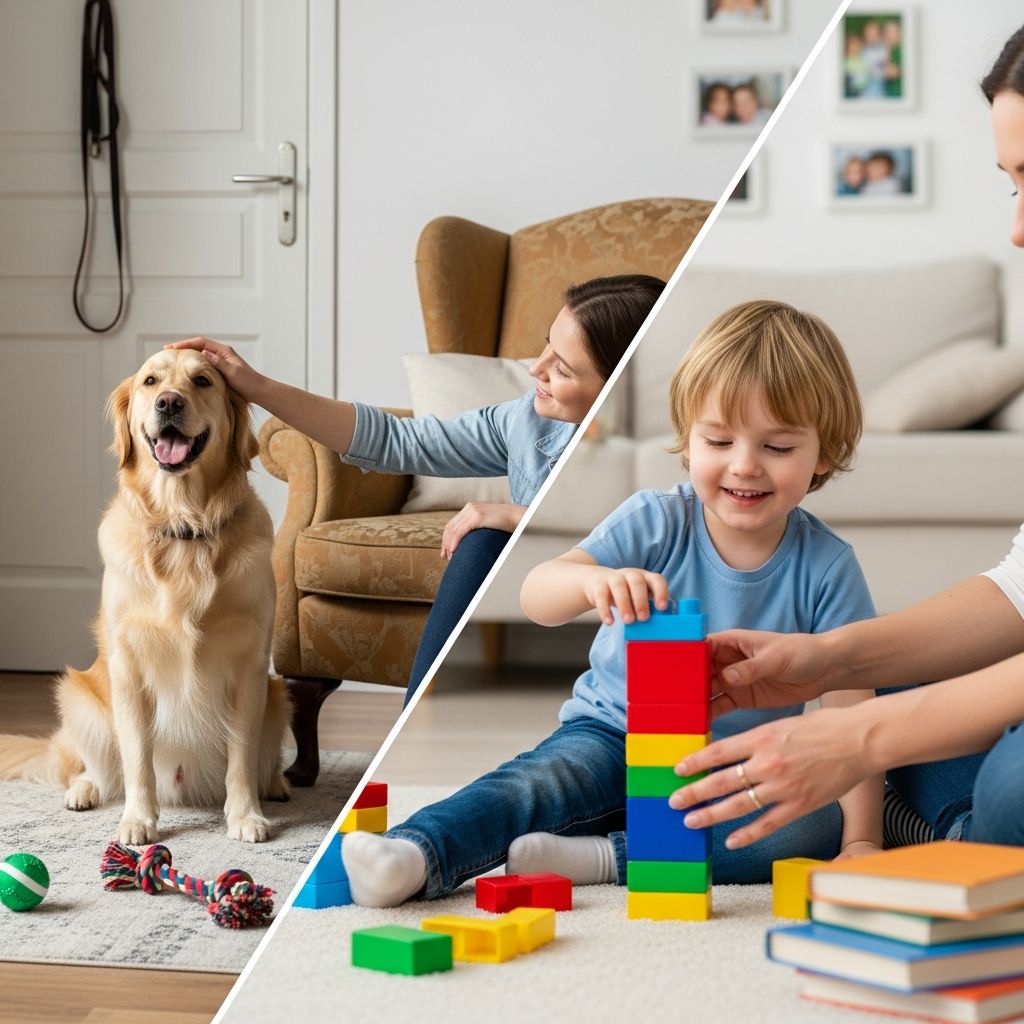
Raising a pet brings companionship and joy to many families, yet it fundamentally differs from nurturing human children in lifespan, cognitive growth, and daily demands. While pets teach responsibility and empathy, they lack the long-term independence and complexity of child-rearing.
The Lifespan Factor: Short-Term vs Lifelong Commitment
One of the most striking distinctions lies in duration. Pets like dogs typically live 10-15 years, offering a contained phase of care, whereas children require support for 18+ years into adulthood. This brevity allows pet owners flexibility unavailable to parents, such as spontaneous travel without lifelong obligations.
Research underscores pets’ role in short bursts of family bonding. For instance, young children in dog-owning homes show enhanced emotional regulation, being 23% less likely to face social difficulties compared to non-pet households. However, this benefit ends with the pet’s life, unlike parenting’s enduring impact.
- Pets demand care for a decade or two, easing eventual transitions.
- Children evolve through phases—infancy, school, career—needing adaptive guidance.
- Pet loss teaches grief, but child-rearing involves ongoing milestones like graduations.
Cognitive and Emotional Growth: Instinct vs Complex Development
Pets operate on instinctual behaviors honed by evolution, not abstract reasoning. Dogs respond to training through repetition and rewards, reaching maturity swiftly without moral dilemmas. Children, conversely, develop nuanced cognition, ethics, and self-awareness over decades, demanding education on consent, finances, and relationships.
Studies reveal pets foster empathy in kids; those playing with family dogs weekly exhibit 74% higher considerate behaviors. Yet, this is surface-level compared to teaching a child societal norms. The American Academy of Child and Adolescent Psychiatry notes pets build self-esteem and non-verbal skills, but cannot replicate peer interactions or academic pressures.
| Aspect | Pets | Children |
|---|---|---|
| Learning Style | Conditioning and routine | Critical thinking, schooling |
| Emotional Needs | Affection, exercise | Identity formation, mental health support |
| Independence | Quickly house-trained | Years to self-sufficiency |
Daily Care Routines: Predictable vs Unpredictable Demands
Pet care revolves around feeding, walks, and vet visits—structured tasks suiting busy schedules. A dog needs 30-60 minutes daily exercise, manageable alongside work. Children introduce unpredictability: illnesses, homework battles, or social dramas disrupting plans.
Millennials often favor pets for this reason, citing lower stress than child-rearing. Owners report pets as ‘relaxing’ with minimal tantrums, enabling holidays by boarding them briefly—impossible with kids under 12. Yet, overhumanizing pets risks issues; treating dogs like infants can spark anxiety or aggression from blurred boundaries.
- Pet schedules: Fixed meals, playtime.
- Child schedules: Evolving with growth spurts, extracurriculars.
- Health: Pets get vaccines yearly; kids need therapy, orthodontics.
Socialization Challenges: Pack Dynamics vs Human Societies
Pets socialize via species-specific cues—dogs through sniffing and play bows—achieved in parks or classes. Children navigate human complexities: bullying, friendships, cultural norms, requiring parental intervention in schools or teams.
Pet ownership aids child socialization; dog-walking kids are 36% less likely to show poor development. Still, pets don’t face human pressures like college applications. Experts warn against ‘fur baby’ syndrome, where pets spoiled like kids develop entitlement, leading to behavioral problems.
Positive pet bonds teach compassion, per AACAP, fulfilling needs like companionship without verbal depth.
Financial and Legal Burdens: Affordable Joy vs Heavy Investment
Pet costs average $1,500 yearly (food, vet, toys), far below child-rearing’s $233,610 to age 18 per USDA estimates. No college funds for pets, and legal duties end at basic welfare—unlike child support laws.
Families gain from pets’ low barrier; even modest interaction yields benefits like reduced antisocial acts by 30% in kids. However, anthropomorphizing increases expenses on ‘calming products,’ up 168% since 2018, mimicking unnecessary child gadgets.
| Cost Category | Annual Pet (Dog) | Annual Child (Avg) |
|---|---|---|
| Food/Supplies | $500 | $3,000 |
| Medical | $500 | $2,500 |
| Education/Training | $200 | $10,000+ |
Health and Wellness Impacts: Complementary Benefits
Pets promote activity; family dog walks enhance child fitness and bonds. Psychology Today highlights stress reduction and support from pets. Children with pets develop trust and empathy, aiding peer relations.
Unlike kids, pets don’t outgrow needing walks, providing consistent exercise. Pandemic-era dogs faced separation anxiety from constant doting, mirroring overprotected children.
Emotional Bonds: Unconditional vs Reciprocal Love
Pets offer instant, non-judgmental affection—tails wagging regardless of mood. Children form deeper, reciprocal bonds evolving with mutual respect, involving conflicts and reconciliations.
This purity draws childless adults to pets, but experts like dog trainers stress species differences: ‘We are not their parents.’ Proper boundaries prevent spoiled behaviors.
Preparing for Parenthood: Pets as a Starter, Not Substitute
Many use pets to test nurturing skills, learning patience from puppy potty training. Yet, skills don’t fully transfer; human parenting demands verbal teaching and ethical guidance absent in pets.
For parents, pets enrich family life without rivalry, boosting kids’ considerate actions by 34%.
Frequently Asked Questions (FAQs)
Do pets make good practice for having kids?
Pets teach basic responsibility and empathy but overlook human complexities like education and independence.
Are children with pets happier?
Yes, studies show reduced emotional issues and better social skills in dog-owning families.
Can treating pets like kids harm them?
Yes, it causes anxiety and aggression from lacking boundaries.
What age is best for kids to get a pet?
Any age with supervision; benefits start early for social-emotional growth.
Do pets reduce parenting stress?
They provide companionship and routine, easing some family tensions.
References
- Newly Published Study Shows Young Children with Pet Dogs Fare Better — Human Animal Bond Research Institute (HABRI). 2020-07-06. https://habri.org/pressroom/20200706/
- Pets And Children — American Academy of Child and Adolescent Psychiatry (AACAP). 2019-01-01. https://www.aacap.org/AACAP/Families_and_Youth/Facts_for_Families/FFF-Guide/Pets-And-Children-075.aspx
- Millennials Are Raising Pets Instead of Kids. Bad News for Dogs, Cats — Business Insider. 2024-11-01. https://www.businessinsider.com/millennials-raising-pets-instead-kids-spoiled-dogs-cats-anxiety-health-2024-11
- Parallels and differences between kids and dogs — Paws and Reflect. N/A. https://www.pawsandreflect.blog/p/parallels-differences-between-human-kids-and-dogs
- Why Kids With Pets Are Better Off — Psychology Today. 2017-07-01. https://www.psychologytoday.com/us/blog/animals-and-us/201707/why-kids-pets-are-better
Similar Articles








Read full bio of Sneha Tete