Postpartum Anxiety: Signs, Causes, and Recovery Paths
Understand postpartum anxiety: recognize symptoms early, explore effective treatments, and reclaim your peace after childbirth.
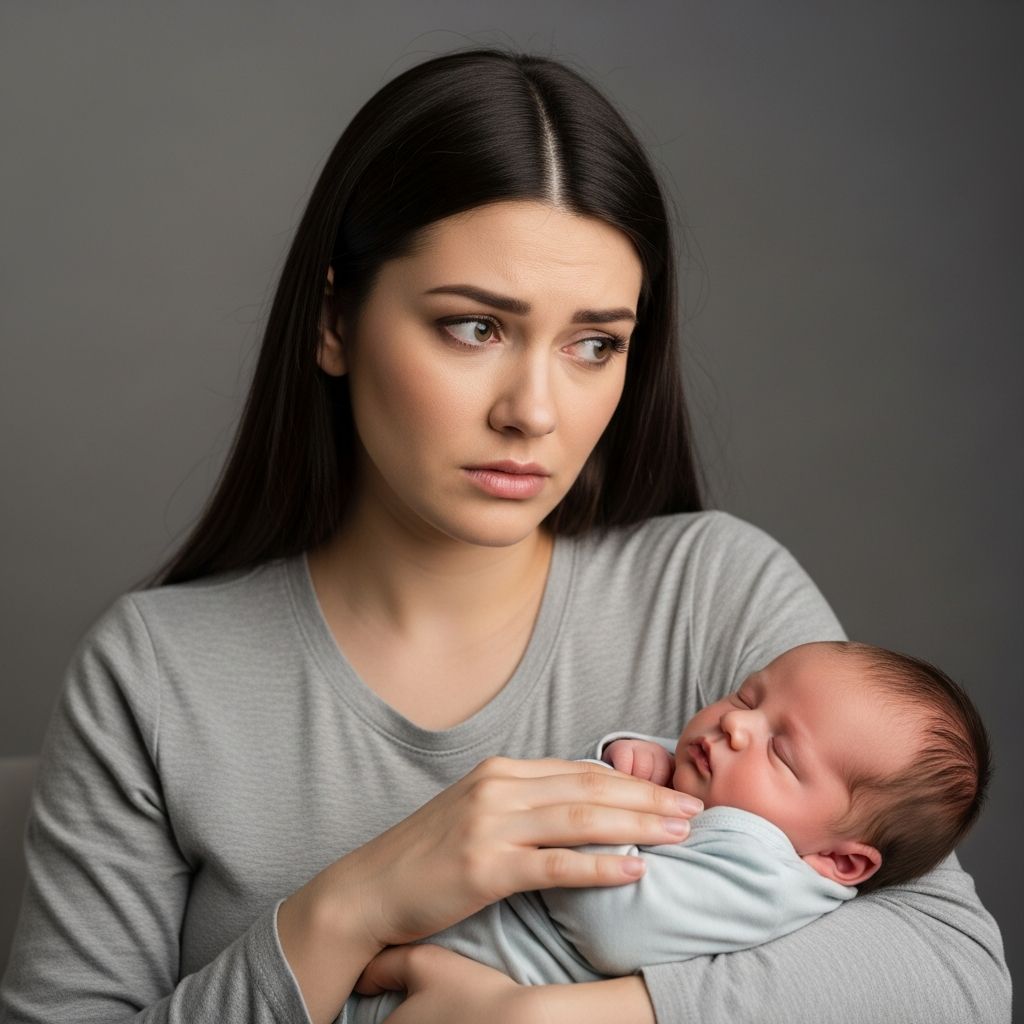
Postpartum anxiety emerges as a significant emotional challenge for numerous new mothers, characterized by intense, persistent worry that disrupts daily life and bonding with the newborn. Affecting up to one in five women, this condition stems from hormonal fluctuations, sleep deprivation, and the overwhelming demands of early parenthood, yet it remains highly treatable through targeted interventions.
Defining Postpartum Anxiety in New Motherhood
Postpartum anxiety involves excessive fear, tension, and preoccupation with potential harm to the baby or oneself, often persisting beyond the initial baby blues phase. Unlike transient mood swings that resolve within two weeks, this anxiety can endure for months, impacting sleep, appetite, and relationships. It manifests not just emotionally but physically, creating a cycle of distress that new parents may mistake for normal adjustment stress.
Healthcare providers diagnose it when symptoms interfere with functioning, distinguishing it from generalized anxiety by its timing—onset within the first year post-birth—and focus on infant-related concerns. Early recognition empowers mothers to seek help, preventing escalation to more severe mental health issues.
Common Manifestations of Postpartum Anxiety
Symptoms vary but typically include racing thoughts about infant safety, such as fears of sudden infant death syndrome or accidents, leading to compulsive checking behaviors. Physical signs like rapid heartbeat, shortness of breath, muscle tension, and gastrointestinal upset compound the emotional turmoil, mimicking panic attacks.
- Emotional indicators: Overwhelming dread, irritability, restlessness, and a sense of impending doom.
- Behavioral changes: Avoidance of leaving the baby alone, excessive reassurance-seeking, or hypervigilance.
- Physical reactions: Insomnia despite exhaustion, headaches, nausea, and trembling.
These signs often intensify at night or during solitude, amplifying isolation feelings. Mothers report a constant ‘fight-or-flight’ state, hindering joyful parenting moments.
Risk Elements Contributing to Onset
Several intertwined factors heighten vulnerability. Drastic hormonal shifts post-delivery—dropping estrogen and progesterone levels—disrupt brain chemistry, mirroring anxiety triggers in non-postpartum cases. Sleep loss from frequent feedings exacerbates this, as chronic fatigue impairs emotional regulation.
Pre-existing conditions like generalized anxiety or depression double the risk, while life stressors such as financial strain, relationship issues, or traumatic births further contribute. A personal or family history of mental health disorders, perfectionist tendencies, or lack of social support also play roles. First-time mothers and those with complications like premature birth face elevated odds.
| Risk Factor | Description | Prevalence Impact |
|---|---|---|
| Hormonal Changes | Rapid drop in reproductive hormones | Triggers 70-80% of cases |
| Sleep Deprivation | Interrupted rest cycles | Worsens symptoms in 60% |
| Prior Anxiety | History of mental health issues | Increases risk 2-3x |
| Social Isolation | Limited support networks | Prolongs recovery |
Differentiating from Related Postpartum Conditions
Postpartum anxiety overlaps with depression but emphasizes worry over sadness; many experience both concurrently, complicating diagnosis. Baby blues, affecting 80% of mothers, involve mild tearfulness resolving quickly, unlike anxiety’s persistence. Postpartum OCD features intrusive harm thoughts without intent to act, often co-occurring.
Panic disorder involves sudden terror episodes with physical symptoms, while generalized anxiety is broader but baby-focused postpartum. Accurate differentiation guides therapy: CBT suits anxiety/OCD, while antidepressants target depression. Screening tools like the Edinburgh Postnatal Depression Scale help providers distinguish nuances.
Proven Treatment Approaches
Treatment tailors to severity, starting with non-pharmacological options. Cognitive Behavioral Therapy (CBT) stands as gold standard, with 12-16 sessions reframing negative thoughts and building coping skills; studies show significant symptom reduction. Therapists use exposure techniques for fears and behavioral activation for avoidance.
For moderate-severe cases, medications like SSRIs (e.g., sertraline) balance serotonin, safe for breastfeeding with monitoring; SNRIs address both anxiety and mood. Short-term benzodiazepines like lorazepam bridge acute phases until SSRIs activate. Combination therapy yields best outcomes, especially with comorbidities.
Lifestyle and Self-Help Strategies
Daily practices complement professional care. Prioritizing sleep via partner shifts or naps releases restorative hormones. Skin-to-skin contact boosts oxytocin, countering anxiety physiologically.
- Engage in 30-minute walks or yoga for endorphin release and stress reduction.
- Join online/in-person support groups via Postpartum Support International to combat isolation.
- Practice mindfulness apps like Headspace for guided breathing.
- Maintain nutrition with omega-3-rich foods supporting brain health.
- Delegate tasks to family for brief respites, fostering self-care.
Creative outlets like journaling or art therapy process emotions effectively. Acupuncture or massage offers somatic relief.
Building a Robust Support Network
Partners play pivotal roles by validating experiences, sharing night duties, and encouraging help-seeking. Family involvement lightens loads, while new parent groups normalize struggles. Telehealth expands access, vital for rural mothers.
Workplace policies like paid leave mitigate stressors; advocacy for mental health parity aids recovery. Mothers embracing vulnerability model resilience for children long-term.
Long-Term Outlook and Prevention
With intervention, 70-80% achieve full remission within months; untreated, risks chronic anxiety or bonding issues. Preventive screenings at postpartum checkups enable early action. Recurrence in future pregnancies drops with prior management.
Empowering education reduces stigma, urging ‘it’s okay to not be okay.’ Tracking mood via apps flags escalations promptly.
Frequently Asked Questions
Can postpartum anxiety harm my baby?
No direct harm occurs, but chronic stress may affect bonding or feeding; treatment benefits both.
How long does postpartum anxiety last?
Typically 6-12 months untreated, but therapy/medication resolves most cases in weeks to months.
Is medication safe while breastfeeding?
Yes, SSRIs like sertraline pass minimally; consult providers for monitoring.
Does exercise really help?
Absolutely—daily activity reduces symptoms by 30-50% via endorphins and better sleep.
When should I seek emergency help?
If suicidal thoughts, inability to care for baby, or panic attacks emerge, contact crisis lines immediately.
References
- Postpartum anxiety is invisible, but common and treatable — Harvard Health Publishing. 2021-07-30. https://www.health.harvard.edu/blog/postpartum-anxiety-an-invisible-disorder-that-can-affect-new-mothers-202107302558
- Postpartum Anxiety Symptoms: Getting Support — Franciscan Health. Accessed 2026. https://www.franciscanhealth.org/community/blog/postpartum-anxiety
- Recognizing & Treating Postpartum Anxiety — Texas Children’s Hospital. Accessed 2026. https://www.texaschildrens.org/content/wellness/recognizing-signs-postpartum-anxiety
- Postpartum Anxiety: Symptoms, Diagnosis & Treatment — Cleveland Clinic. Accessed 2026. https://my.clevelandclinic.org/health/diseases/22693-postpartum-anxiety
- Postpartum Depression and Anxiety Fact Sheet — Association for Behavioral and Cognitive Therapies (ABCT). Accessed 2026. https://www.abct.org/fact-sheets/postpartum-depression-and-anxiety/
- 7 Strategies for Coping with Postpartum Anxiety — Quilted Health. Accessed 2026. https://www.quiltedhealth.com/care/resources/strategies-for-coping-with-postpartum-anxiety
- Is It Postpartum Depression or Postpartum Anxiety? What’s The Difference? — MGH Center for Women’s Mental Health. Accessed 2026. https://womensmentalhealth.org/posts/is-it-postpartum-depression-or-postpartum-anxiety-whats-the-difference/
Similar Articles








Read full bio of medha deb