Postpartum Hemorrhage: Risks and Recovery
Understanding postpartum hemorrhage: key risks, urgent symptoms, proven treatments, and steps for full maternal recovery after birth.
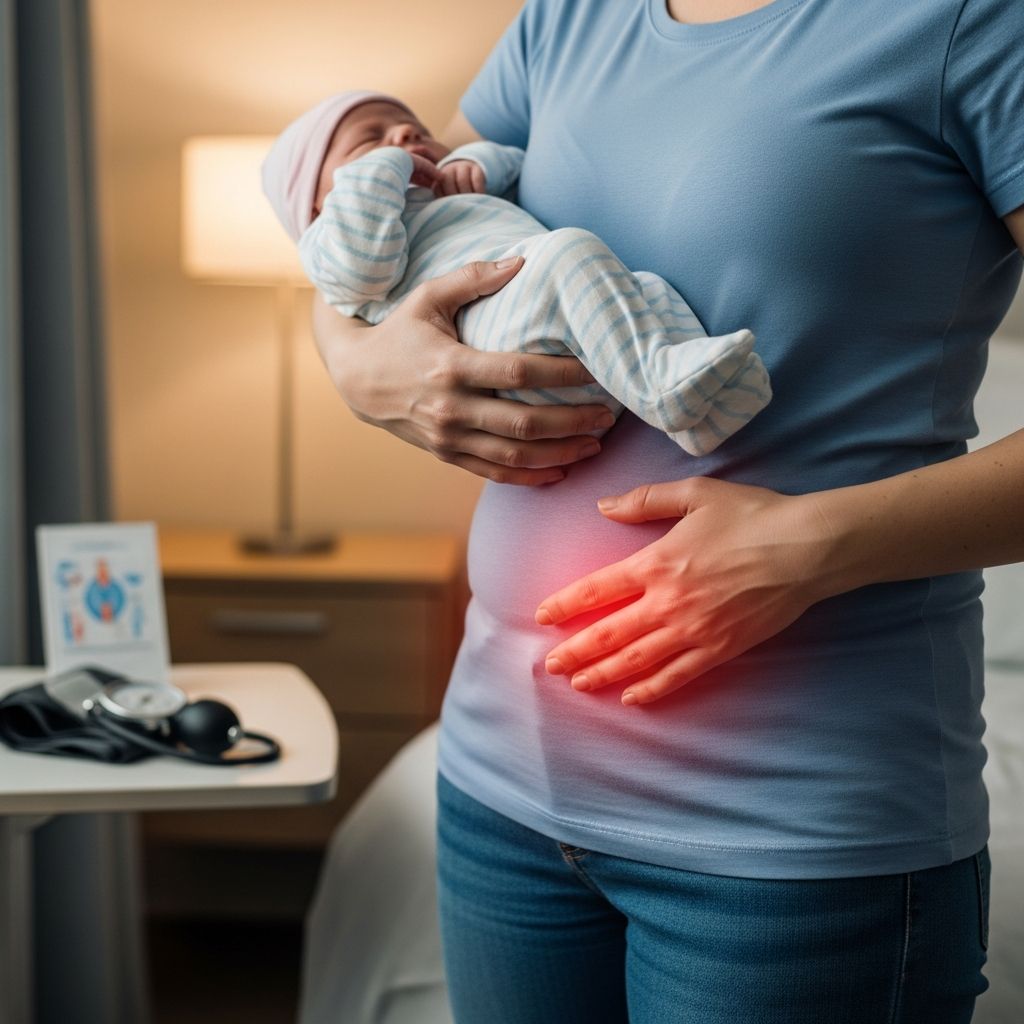
Postpartum hemorrhage (PPH) represents a critical medical emergency characterized by excessive blood loss following childbirth, potentially endangering maternal life if not addressed swiftly. Affecting thousands worldwide, it demands immediate recognition and intervention for optimal outcomes.
Defining Postpartum Hemorrhage
PPH occurs when a woman loses more than 500 milliliters of blood after vaginal delivery or 1,000 milliliters after cesarean section, typically within 24 hours but possibly up to 12 weeks postpartum. This condition arises from failure of normal hemostatic mechanisms post-placental separation, leading to unchecked bleeding.
Historically, PPH has been a primary contributor to maternal mortality, though advancements in obstetrics have improved survival rates through proactive protocols.
Primary Causes of Excessive Postpartum Bleeding
The “four Ts” framework—tone, trauma, tissue, and thrombin—encapsulates most PPH etiologies. Uterine atony, or poor uterine muscle contraction, accounts for nearly 80% of cases, preventing vessel clamping at the placental site.
- Tone (Uterine Atony): The uterus fails to firm up, allowing continuous seepage from spiral arteries.
- Trauma: Lacerations to the birth canal, cervix, or uterus from delivery forces.
- Tissue: Retained placental fragments obstruct contraction.
- Thrombin: Coagulation disorders exacerbate bleeding.
Recognizing Critical Symptoms
Early detection hinges on observing heavy vaginal bleeding, often with clots larger than a golf ball, alongside systemic signs like tachycardia, hypotension, dizziness, pallor, or clammy skin.
| Symptom | Description | Urgency Level |
|---|---|---|
| Heavy Bleeding | Saturating pads rapidly or pooling blood | Immediate |
| Tachycardia | Heart rate over 100 bpm | High |
| Hypotension | Drop in blood pressure causing faintness | Critical |
| Pale Skin | Clammy, cool extremities | High |
| Abdominal Pain | Swelling or bloating post-C-section | Monitor |
Risk Factors Amplifying PPH Likelihood
Certain pregnancy and labor conditions heighten vulnerability. Prolonged labor, multiple gestations, macrosomia, or prior PPH history significantly elevate risks.[10]
- Overdistended uterus from twins or polyhydramnios
- Induced or augmented labor with oxytocin
- Instrument-assisted deliveries (forceps/vacuum)
- Cesarean births
- Maternal anemia or clotting issues
For C-section patients, watch for abdominal bruising or shortness of breath beyond incision pain.
Immediate Treatment Protocols
Treatment prioritizes stabilization: ABCs (airway, breathing, circulation) followed by cause-specific interventions. Fluid resuscitation and monitoring vital signs are foundational.
- Uterine Massage: Bimanual compression to expel clots and promote contraction.
- Uterotonics: Oxytocin infusion first-line, followed by prostaglandins or ergot alkaloids if needed.
- Retained Tissue Removal: Manual or surgical extraction.
- Repair of Trauma: Suturing lacerations.
- Invasive Options: Balloon tamponade, embolization, or hysterectomy as last resorts.
Blood transfusions restore volume, with tranexamic acid reducing mortality if given within three hours.
Prevention Strategies in Modern Obstetrics
Active management of the third stage of labor (AMTSL)—oxytocin administration, controlled cord traction, and uterine massage—slashes PPH incidence by 60%.[10]
- Antenatal identification of high-risk cases for tailored plans
- Intravenous access pre-delivery for at-risk mothers
- Team-based drills in birthing units
[10]
Post-Treatment Recovery Journey
Recovery varies but emphasizes monitoring for infection, anemia correction via iron supplements, and emotional support. Most women regain full health with prompt care, though hysterectomy impacts fertility.
Follow-up includes hemoglobin checks, breastfeeding encouragement for natural uterine involution, and counseling on future pregnancy risks.
Global Impact and Maternal Health Initiatives
PPH remains the top maternal killer in low-resource settings, prompting WHO bundles like checklists and simulation training. In high-income areas, protocols have curbed rates significantly.
Frequently Asked Questions
What is the most common cause of PPH?
Uterine atony, where the uterus doesn’t contract sufficiently post-delivery.
How quickly should I seek help for heavy bleeding?
Immediately—call emergency services if bleeding soaks a pad hourly or you feel faint.
Long-Term Outlook and Wellness Tips
Survivors often face anemia fatigue; prioritize nutrition, rest, and mental health screening for postpartum depression. Discuss VBAC or repeat C-section risks with providers for subsequent pregnancies.
(Word count: 1678)
References
- Postpartum Hemorrhage (PPH): Causes, Risks & Treatment — Cleveland Clinic. 2024-11-12. https://my.clevelandclinic.org/health/diseases/22228-postpartum-hemorrhage
- Postpartum Hemorrhage – StatPearls — NCBI Bookshelf, NIH. 2023. https://www.ncbi.nlm.nih.gov/books/NBK499988/
- Postpartum Hemorrhage – Gynecology and Obstetrics — Merck Manuals. 2024. https://www.merckmanuals.com/professional/gynecology-and-obstetrics/intrapartum-complications/postpartum-hemorrhage
- Postpartum Hemorrhage: Prevention and Treatment — American Academy of Family Physicians (AAFP). 2017-04-01. https://www.aafp.org/pubs/afp/issues/2017/0401/p442.html
- Postpartum Hemorrhage — Children’s Hospital of Philadelphia (CHOP). 2024. https://www.chop.edu/conditions-diseases/postpartum-hemorrhage
- Postpartum Hemorrhage — American College of Obstetricians and Gynecologists (ACOG). 2017-10. https://www.acog.org/clinical/clinical-guidance/practice-bulletin/articles/2017/10/postpartum-hemorrhage
Similar Articles








Read full bio of medha deb