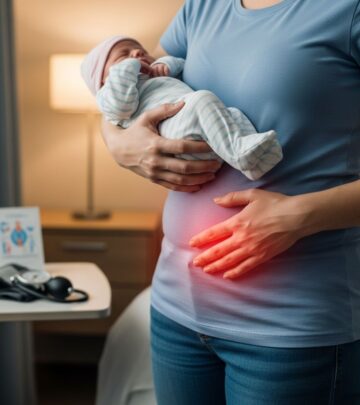
Postpartum Mental Health Challenges
Understanding and addressing emotional struggles after childbirth for better maternal well-being.

New mothers often face a rollercoaster of emotions after giving birth, ranging from joy to overwhelming distress. While many experience mild mood changes known as baby blues, a significant number develop more serious conditions that require attention and intervention. This article delves into the spectrum of postpartum mental health issues, drawing from established medical insights to help recognize signs, understand causes, and pursue effective care.
Navigating the Emotional Landscape After Birth
The postpartum period marks a profound transition, with hormonal shifts, sleep deprivation, and new responsibilities amplifying emotional vulnerability. Approximately 85% of women encounter some mood disturbance in the weeks following delivery, though most cases are transient. For 10-15%, these evolve into clinical disorders impacting daily functioning and bonding with the baby. Early recognition is crucial, as untreated conditions can affect both maternal and infant health long-term.
Common Mild Mood Changes: Baby Blues
Baby blues represent the most frequent emotional response post-delivery, affecting up to 80% of new mothers. Symptoms typically emerge within the first two weeks and resolve within a fortnight without treatment. These include:
- Mood swings and tearfulness
- Irritability and anxiety
- Sleeplessness despite fatigue
- Appetite fluctuations
These arise from rapid hormonal drops, particularly estrogen and progesterone, combined with physical recovery demands. Unlike severe disorders, baby blues do not impair self-care or infant safety. Support from family, rest, and time usually suffice, but monitoring for persistence is advised.
Persistent Sadness: Postpartum Depression
Postpartum depression (PPD) strikes about 10-13% of women worldwide, often within the first three months but potentially anytime in the first year. It mirrors major depressive disorder elsewhere in life, featuring:
- Persistent low mood or loss of interest
- Guilt, worthlessness, or hopelessness
- Fatigue, appetite changes, and sleep issues beyond newborn demands
- Difficulty concentrating or decision-making
- Suicidal ideation in severe cases
Diagnosis challenges stem from overlapping normal postpartum symptoms like exhaustion. However, PPD profoundly hinders functioning, with risks of infant neglect if unaddressed.
Anxiety and Its Overlaps in New Mothers
Perinatal anxiety disorders, encompassing generalized anxiety, panic attacks, and obsessive-compulsive tendencies, frequently coexist with PPD. Studies show 19.9% of depressed mothers experience significant anxiety at two weeks postpartum, persisting in some forms up to six months. Symptoms include:
- Excessive worry about baby’s health
- Panic episodes with physical manifestations
- Intrusive harm thoughts toward the infant (without intent)
Comorbidity peaks at 4-8 weeks, underscoring the need for comprehensive screening.
Rare but Critical: Postpartum Psychosis
Occurring in 1-2 per 1,000 births, postpartum psychosis demands immediate care due to its acuity. Onset is swift, often within the first week, linked to bipolar disorder history. Hallmarks are:
- Confusion, disorientation, and rapid mood shifts
- Delusions or hallucinations, frequently infant-focused
- Insomnia, hyperactivity, and paranoia
- High risks of infanticide or suicide
Hospitalization and antipsychotics/medication are standard, with full recovery typical.
Trauma’s Lasting Echo: Postpartum PTSD
Affecting around 9% of mothers, postpartum PTSD stems from traumatic births like emergencies or cesareans. Core features involve:
- Flashbacks or nightmares of the event
- Avoidance of birth reminders
- Hypervigilance and emotional numbness
Prevalence lingers up to six months, exacerbated by lack of support.
Risk Factors Fueling Vulnerability
Multiple elements heighten susceptibility. Personal history of mental illness multiplies odds—women with prior depression face 2.6-3.4 times greater PPD/PPA risk. Other contributors include:
| Category | Examples | Impact |
|---|---|---|
| Psychosocial | Lack of support, IPV, low income | 4.76x higher mental health issues with IPV |
| Medical | Anemia, complications, sleep loss | Increases onset likelihood |
| Obstetric | Cesarean, preterm birth | Linked to PTSD |
| Lifestyle | Low education, immigration stress | Amplifies symptoms |
Primiparity and unplanned pregnancies also play roles.
Screening and Early Detection Strategies
Routine tools like the Edinburgh Postnatal Depression Scale flag risks effectively. Clinicians should probe beyond blues, assessing anxiety/OCD overlaps. Self-monitoring via journals aids awareness.
Treatment Pathways to Recovery
Interventions are tiered:
- Mild cases: Therapy (CBT), support groups, lifestyle tweaks.
- Moderate-Severe: SSRIs safe for breastfeeding, psychotherapy.
- Psychosis: Inpatient care, mood stabilizers.
Outcomes excel with prompt action; most recover fully.
Building Support Networks
Partners, family, and communities are vital. SAMHSA’s helpline offers 24/7 confidential aid. WHO advocates integrated maternal programs.
Long-Term Outlook and Prevention
With treatment, prognosis is positive, though recurrences risk exists. Preventive screening in pregnancy and robust postpartum follow-up mitigate impacts.
Frequently Asked Questions
How common is postpartum depression?
About 10-13% globally, higher in at-risk groups.
Can medications harm my baby while breastfeeding?
Many antidepressants like sertraline are safe; consult providers.
Is postpartum psychosis preventable?
High-risk women (bipolar history) benefit from perinatal monitoring.
What if I suspect PTSD from birth?
Seek trauma-focused therapy promptly.
Where to find immediate help?
Contact SAMHSA helpline: 1-800-662-HELP.
References
- Postpartum Psychiatric Disorders — MGH Center for Women’s Mental Health. 2023. https://womensmentalhealth.org/specialty-clinics/postpartum-psychiatric-disorders-2/
- A scoping study of postpartum mental health problems — PMC. 2024-10-15. https://pmc.ncbi.nlm.nih.gov/articles/PMC12417353/
- Postpartum depression – Symptoms and causes — Mayo Clinic. 2025-03-12. https://www.mayoclinic.org/diseases-conditions/postpartum-depression/symptoms-causes/syc-20376617
- Summary of Perinatal Mental Health Conditions — ACOG. 2024. https://www.acog.org/programs/perinatal-mental-health/summary-of-perinatal-mental-health-conditions
- Maternal Mental Health Conditions and Statistics — MMHLA. 2024. https://www.mmhla.org/articles/maternal-mental-health-conditions-and-statistics
- National Helpline — SAMHSA. 2026-01-01. https://www.samhsa.gov/find-help/helplines/national-helpline
- Perinatal mental health — WHO. 2024. https://www.who.int/teams/mental-health-and-substance-use/promotion-prevention/maternal-mental-health
Similar Articles







Read full bio of medha deb