Postpartum Recovery Guide
Comprehensive guide to healing, self-care, and gradual return to activity after childbirth for new mothers.

Postpartum Recovery Guide: Your Roadmap to Healing After Birth
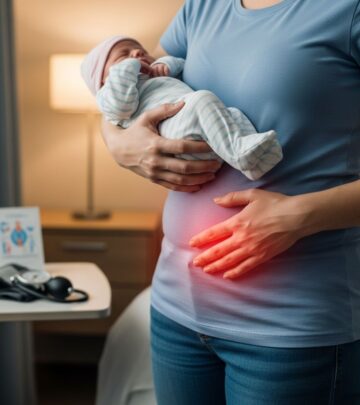
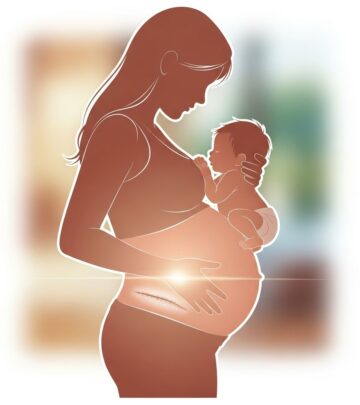
The postpartum period marks the beginning of a transformative phase for new mothers, typically spanning the first six to eight weeks after delivery. During this time, the body undergoes significant healing from the rigors of pregnancy and childbirth, whether vaginal or cesarean. Prioritizing rest, nutrition, and gentle movement is crucial for optimal recovery, reducing complications like incontinence or prolonged pain, and fostering emotional resilience. This guide outlines a structured approach to reclaiming strength and vitality.
Understanding the Postpartum Healing Process
Immediately after birth, hormonal shifts, uterine contractions, and tissue repair dominate the body’s agenda. Lochia, a vaginal discharge of blood and tissue, persists for 4-6 weeks, gradually lightening from red to yellow. Perineal soreness, breast engorgement, and fatigue are common, with C-section mothers facing incision care alongside these. Emotional fluctuations arise from plummeting estrogen and progesterone levels, compounded by sleep deprivation. Recovery isn’t linear; patience and self-compassion are key.
Essential First Days: Immediate Post-Birth Care
The initial 72 hours set the foundation for healing. Focus on hydration, light mobility to prevent clots, and pain management. Use over-the-counter NSAIDs like ibuprofen for inflammation, and apply ice packs to the perineum for 20 minutes every few hours. For bowel movements, employ stool softeners, fiber-rich foods, and perineal counter-pressure to avoid straining stitches.
- Hydrate aggressively: Aim for 8-10 glasses of water daily to support milk production and prevent constipation.
- Perineal hygiene: Rinse with a peri-bottle after toileting and pat dry; avoid wiping.
- C-section specifics: Monitor incision for redness or drainage; walk short distances as tolerated.
- Rest protocol: Follow the 5-5-5 rule—5 days in bed, 5 days near bed, 5 days around home—to minimize exertion.
Sitz baths in warm water soothe soreness and promote circulation. Acetaminophen eases afterpains from uterine involution. Keep baby essentials nearby to limit unnecessary movement.
Nutrition for Replenishing Energy and Repair
Postpartum caloric needs increase by 300-500 daily, especially for breastfeeding mothers. A nutrient-dense diet accelerates tissue repair and combats fatigue. Emphasize proteins for wound healing, fiber for regularity, and omega-3s for mood stability.
| Nutrient | Benefits | Food Sources |
|---|---|---|
| Protein | Tissue repair, muscle recovery | Lean meats, eggs, legumes, Greek yogurt |
| Fiber | Prevents constipation | Oats, fruits, vegetables, whole grains |
| Iron | Replenishes blood loss | Spinach, red meat, fortified cereals |
| Calcium & Vitamin D | Bone health, milk production | Dairy, leafy greens, sunlight exposure |
| Hydration | Energy, lactation support | Water, herbal teas, electrolyte drinks |
Eat small, frequent meals: avocado toast with eggs, smoothies with berries and spinach, or salmon salads. Supplements like vitamin D or iron may be recommended by providers.
Pelvic Floor Rehabilitation: Building Strength Safely
Pelvic floor muscles, stretched during delivery, require targeted rehab to prevent prolapse or incontinence. Kegels—contracting and releasing these muscles—start gently post-birth. Progress based on healing:
- Days 1-3: 10% effort Kegels, legs elevated (10 reps, 2x/day).
- Weeks 2-3: 30-50% effort (2 sets of 10, 2x/day, 2-3 min rest).
- Weeks 4-5: 70-80% effort (2 sets of 10, 2x/day, 1 min rest).
- Week 6+: Full strength with professional guidance.
Consult a pelvic floor therapist for personalized plans, biofeedback, or manual therapy. Avoid high-impact activities until cleared.
Progressive Exercise Timeline: From Rest to Return
Gradual activity prevents injury while boosting mood via endorphins. Walking aids circulation and digestion from day one.
Weeks 1: Focus on Recovery
Short walks, side-lying rest, no heavy lifting. Monitor for leakage or pelvic heaviness.
Weeks 2-3: Gentle Activation
Introduce prenatal yoga, increase walking. Upper body weights for vaginal births; bodyweight only post-C-section. Core work limited to safe activations.
Weeks 4-5: Building Tolerance
Progress Kegels, add light lower body moves (squats, lunges at bodyweight). No crunches; opt for bird-dogs or dead bugs.
Week 6+: Professional Clearance
OBGYN and PT checkups initiate full rehab. Resume moderate exercise per tolerance.
Listen to pain signals; pelvic PT is invaluable for tailored progressions.
Mental and Emotional Wellness in Early Motherhood
Up to 80% of mothers experience baby blues—irritability, weepiness—from hormone crashes, resolving in two weeks. Postpartum depression or anxiety affects 10-15%, with symptoms like persistent sadness or detachment warranting intervention.
- Self-care rituals: Nap when baby sleeps, seek partner/family support.
- Mindfulness: Journaling, deep breathing, or apps for guided meditation.
- Social connection: Join support groups to normalize experiences.
Therapy, medication if needed, and screening at 6-week visits are standard.
Warning Signs: When to Contact Your Provider
Seek immediate care for fever over 100.4°F, heavy bleeding (soaking a pad hourly), severe abdominal pain, leg swelling, foul lochia odor, or worsening mood. C-section: incision warmth, pus, or non-healing edges.
Long-Term Recovery and Beyond 6 Weeks
Full recovery may
Similar Articles








Read full bio of medha deb