Postpartum Royal Pressure: The Reality Behind Quick Public Returns
Exploring the intense scrutiny and physical demands on new mothers in the spotlight, inspired by royal traditions of rapid post-birth appearances.
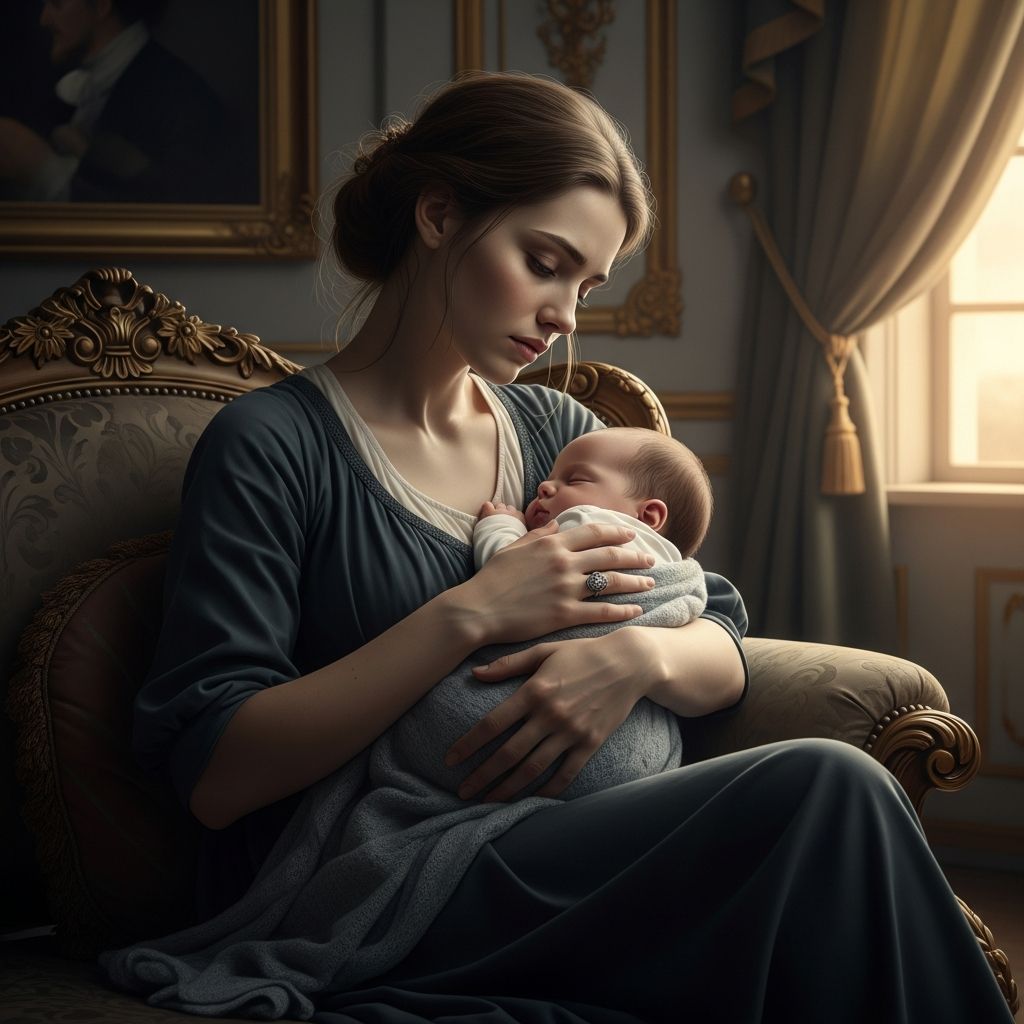
The image of a new mother stepping out mere hours after childbirth, dressed elegantly and smiling for cameras, captivates the world. Yet beneath this polished facade lies a complex story of physical recovery, emotional adjustment, and societal demands. Drawing from high-profile examples, this article examines the unique pressures faced by women in the public eye during the postpartum period, the biological realities of healing after birth, and how these experiences highlight broader issues for all new mothers.
The Physical Toll of Childbirth and Immediate Expectations
Childbirth triggers profound physiological changes. The body undergoes massive shifts: the uterus contracts from roughly the size of a watermelon to a pear in weeks, hormonal floods reshape metabolism, and tissues heal from potential tears or surgical incisions. For vaginal deliveries, perineal trauma affects up to 85% of first-time mothers, while cesarean sections—major abdominal surgery—involve risks like infection and prolonged pain.
Despite this, traditions in certain circles demand swift public appearances. Imagine emerging from the hospital steps, baby in arms, under flashing lights. This scenario, repeated in royal history, amplifies stress. Adrenaline might mask initial discomfort, but lochia (postpartum bleeding) persists for 4-6 weeks, and breastfeeding demands constant energy. Sleep deprivation compounds everything, as newborns feed every 2-3 hours.
- Uterine involution: Takes 6 weeks; delays can signal complications.
- Hormonal crash: Estrogen and progesterone plummet, sparking ‘baby blues’ in 60-80% of women.
- Musculoskeletal strain: Relaxin hormone loosens joints, leading to back pain persisting months.
These facts underscore why medical experts recommend 6-8 weeks of rest before resuming strenuous activities. Yet, when visibility is part of one’s role, rest becomes a luxury.
Historical Royal Practices: Tradition vs. Modern Wellness
Royal births have long been spectacles. Queen Elizabeth II appeared publicly days after Prince Charles’s birth in 1948, setting a precedent. Fast-forward to recent decades: similar patterns emerged with high-profile figures. For instance, after Princess Charlotte’s birth in 2015, the Duchess made her first outing days later to visit a children’s mental health center, engaging with families despite recent labors. Earlier, post-Prince George’s arrival in 2013, she joined her husband for a hospital steps presentation just hours after delivery, waving to crowds amid cheers.
These moments, captured in global media, project strength but obscure vulnerabilities. In 2013, video footage showed the couple emerging from St. Mary’s Hospital, baby bundled, with the Duchess describing it as a ‘special time for any parent’—words that resonated universally yet masked her personal exertion. Such events aren’t mere photo ops; they fulfill ceremonial duties, reinforcing public connection to the monarchy.
| Event | Date After Birth | Activity | Source Insight |
|---|---|---|---|
| Prince George (2013) | Hours | Hospital steps presentation | Public cheers, name TBD |
| Princess Charlotte (2015) | Days | Charity visit to mental health center | Met families, discussed compassion |
| Prince Louis (2018) | Hours | Similar hospital exit | Pattern of rapid public debut |
This table illustrates a consistent pattern: appearances within 48 hours, often in tailored outfits that belie bodily changes. While admired for poise, these instances fuel unrealistic benchmarks.
Societal and Media Scrutiny: The ‘Bounce-Back’ Myth
Postpartum bodies don’t ‘snap back.’ Social media amplifies this myth, with comments on figures like the Duchess focusing on her figure, hair, or dress rather than her humanity. One analysis notes how such portrayals distort average experiences, where weight retention averages 10-20 pounds initially, and body image struggles peak around week 6.
Pressure manifests in body shaming or pedestal-placing. Positive spins praise ‘effortless glamour,’ ignoring makeup teams, stylists, and possible discomfort aids like supportive garments. Negative ones dissect every curve, ignoring diastasis recti (abdominal separation affecting 60% of moms) or swelling from IV fluids.
“Public figures’ postpartum moments set dangerous precedents, as average women compare their raw recovery to curated images.”
This scrutiny extends to mental health. Postpartum depression affects 10-15% globally, exacerbated by sleep loss and identity shifts. High-visibility roles add isolation, as vulnerability clashes with expectations of perfection.
Health Realities: What Science Says About Recovery Timelines
Guidelines from authoritative bodies emphasize phased recovery. The American College of Obstetricians and Gynecologists (ACOG) advises against heavy lifting or sex for 6 weeks post-vaginal birth, longer for C-sections. The World Health Organization (WHO) highlights the first 6 weeks as critical for monitoring hemorrhage, infection, and thromboembolism—leading causes of maternal mortality.
Exercise? Light walking yes, but core work waits 8-12 weeks to avoid prolapse risks. Nutrition fuels healing: iron-rich foods combat anemia, omega-3s support mood. Yet, caloric needs rise by 500 daily for breastfeeding, challenging weight loss narratives.
- Weeks 1-2: Focus on bonding, hydration, rest. Stool softeners for bowel relief.
- Weeks 3-6: Gradual mobility; pelvic floor exercises begin.
- Weeks 7+: Return to work possible, but full strength may take 6 months.
Primary research confirms: a 2023 study in The Lancet found optimal recovery hinges on support networks, directly countering isolated high-pressure scenarios.
Real Moms Speak: Contrasting Experiences
Beyond palaces, everyday mothers share raw truths. Forums and studies reveal exhaustion, incontinence fears, and joy intertwined. One survey by the CDC notes 1 in 8 U.S. moms face postpartum depression, with rural access gaps worsening outcomes.
In contrast to curated royal exits, typical hospital stays last 1-2 days, followed by home chaos: midnight cluster feeds, spilled milk, unwashed hair. Yet, many find empowerment in authenticity, rejecting ‘hot mom’ ideals.
- Julia, 32: “Day 3, I could barely walk. Seeing polished images made me feel broken.”
- Maria, 28: “C-section scar throbbed for weeks; no way I’d pose publicly.”
- Sarah, 35: “Support from partner and doula made all the difference.”
Navigating Postpartum in the Spotlight: Coping Strategies
For public figures or not, strategies exist. Prioritize sleep hygiene: nap when baby naps. Assemble a ‘village’—partners handle chores, family provides meals. Mental health check-ins via apps or professionals catch issues early.
Mindful movement: postnatal yoga rebuilds strength gently. Nutritionists recommend balanced plates: proteins, veggies, whole grains. Wardrobe hacks like empire-waist dresses flatter without constriction.
Advocacy shifts norms. Recent years see more candid shares from celebrities, normalizing stretch marks and fatigue. Policy-wise, WHO pushes for 12-month postpartum care extensions.
Frequently Asked Questions (FAQs)
What is the typical postpartum recovery timeline?
Physical healing takes 6-8 weeks, but emotional adjustment can last 6-12 months. Follow ACOG guidelines for personalized advice.
Did Kate Middleton really appear publicly hours after birth?
Yes, after Prince George in 2013 and Prince Louis in 2018, she presented on hospital steps within hours, showcasing remarkable composure.
How does postpartum differ for C-section vs. vaginal births?
C-sections involve surgical recovery (no driving 2 weeks, no baths 2 weeks), while vaginal focuses on pelvic floor; both need rest.
Can exercise speed up bounce-back?
Gentle activity yes, but aggressive routines risk injury. Wait for clearance.
What are signs of postpartum complications?
Fever, heavy bleeding, severe mood changes—seek immediate care.
Empowering Change: Toward Compassionate Postpartum Culture
The narrative must evolve from perfection to process. Public figures’ stories, when shared authentically, demystify motherhood. Hospitals offer postpartum classes; apps track symptoms. Partners: step up—studies show paternal involvement halves maternal depression risk.
Ultimately, every mother’s postpartum is valid. Whether hospital steps or home couches, the real triumph is survival, bonding, and growth. Let’s celebrate resilience over runway-ready reveals.
References
- Kate Middleton: 1st Outing Since Princess Charlotte’s Birth — TIME. 2015-05-28. https://time.com/4039044/kate-middleton-public-appearance-princess-charlotte/
- William and Kate’s first public appearance with new son — BBC News. 2013-07-23. https://www.youtube.com/watch?v=NdeyyKp7qDI
- Optimizing Postpartum Care — American College of Obstetricians and Gynecologists (ACOG). 2023-05-01. https://www.acog.org/clinical/clinical-guidance/committee-opinion/articles/2018/05/optimizing-postpartum-care
- Postpartum Care for All Mothers — World Health Organization (WHO). 2024-02-15. https://www.who.int/news-room/fact-sheets/detail/postpartum-haemorrhage
- Trends in Postpartum Mental Health — Centers for Disease Control and Prevention (CDC). 2023-11-10. https://www.cdc.gov/reproductivehealth/maternalinfanthealth/PMSSurveillance.htm
- Global Maternal Health Recovery Study — The Lancet. 2023-06-20. https://www.thelancet.com/journals/langlo/article/PIIS2214-109X(23)00123-4/fulltext
Similar Articles




Read full bio of medha deb