Postpartum Thyroiditis Guide
Understand postpartum thyroiditis: causes, phases, symptoms, diagnosis, and recovery strategies for new mothers.

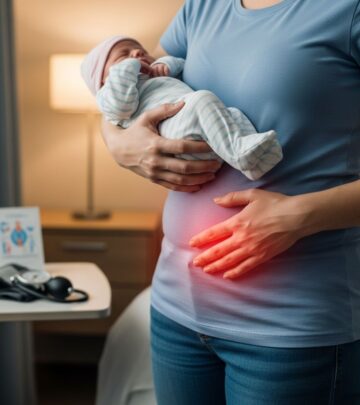
Postpartum thyroiditis affects the thyroid gland in women shortly after childbirth, leading to temporary inflammation that disrupts hormone production. This condition typically unfolds in distinct phases, starting with excess hormone release and potentially shifting to deficiency, impacting energy, mood, and overall well-being in the crucial early motherhood period.
Understanding the Thyroid’s Role After Birth
The thyroid gland, located in the neck, produces hormones essential for regulating metabolism, heart rate, body temperature, and energy levels. During pregnancy, hormonal demands surge to support fetal development, but postpartum changes can trigger imbalances. Postpartum thyroiditis emerges as an autoimmune response where the body’s defenses mistakenly target the thyroid, causing inflammation and altered hormone output.
This inflammation often begins subtly within the first few months after delivery. The gland initially leaks stored hormones, mimicking overactivity, before potentially becoming underproductive as cells are damaged. Not all cases follow this pattern; some present with direct underactivity or resolve without noticeable issues. Awareness is key, as symptoms overlap with common postpartum fatigue or ‘baby blues.’
Core Mechanisms Behind Thyroid Inflammation
At its root, postpartum thyroiditis stems from autoimmunity, similar to Hashimoto’s thyroiditis. Anti-thyroid antibodies, such as those against thyroid peroxidase (TPO), attack thyroid tissue. These antibodies may preexist undetected or surge postpartum due to immune system rebound after pregnancy’s natural suppression.
Pregnancy modulates immunity to tolerate the fetus, but this wanes after birth, potentially unmasking latent autoimmune tendencies. Elevated TPO antibodies in early pregnancy correlate with a 30-52% risk of developing the condition. Thyroglobulin antibodies may also rise, fueling inflammation without infection or external triggers.
Who Faces Higher Risks?
- Previous episodes: Up to 70% recurrence in subsequent pregnancies.
- Autoimmune history: Type 1 diabetes or other conditions like rheumatoid arthritis.
- Family thyroid issues: Genetic predisposition to autoimmune thyroid disease.
- Pre-pregnancy antibodies: Positive TPO tests, even asymptomatic.
- Recent pregnancy loss: Similar risks post-miscarriage or abortion.
While affecting 5-10% of postpartum women overall, risks amplify in these groups. Screening high-risk individuals via antibody tests preconception or early pregnancy can enable proactive monitoring.
Phases of the Condition
Postpartum thyroiditis evolves in up to three phases over 12-18 months:
- Hyperthyroid phase (weeks 1-4 postpartum): Inflammation destroys follicles, dumping stored T4/T3 hormones. Lasts 1-3 months.
- Hypothyroid phase (months 4-8): Damaged gland struggles to produce hormones. Can be transient or lead to permanent issues in 15-50% of cases.
- Recovery: Thyroid function normalizes in 80% by 12-18 months.
Not every woman experiences all phases; 20-40% skip hyperthyroidism, jumping to hypothyroidism.
Recognizing Hyperthyroid Warning Signs
Early excess hormone release accelerates bodily functions:
- Rapid or irregular heartbeat (palpitations)
- Anxiety, irritability, or insomnia
- Unexpected weight loss despite normal appetite
- Heat intolerance and excessive sweating
- Tremors, especially in hands
- Frequent bowel movements
These mimic postpartum anxiety or sleep deprivation, often delaying recognition. Unlike Graves’ disease, this phase features low radioactive iodine uptake due to leakage, not overproduction.
Spotting Hypothyroid Symptoms
As the gland fatigues, hormone scarcity slows metabolism:
| Symptom | Impact on Daily Life |
|---|---|
| Profound fatigue | Exhaustion beyond normal newborn care demands |
| Weight gain | Persistent despite diet/exercise |
| Depression or brain fog | Overlaps with postpartum mood disorders |
| Cold sensitivity | Chills in comfortable environments |
| Constipation | Slowed digestion |
| Dry skin/hair loss | Brittle texture, thinning |
| Muscle aches | General weakness |
Symptoms intensify 3-8 months postpartum, confounding diagnosis amid new-mom stresses. Persistent issues warrant thyroid evaluation.
Diagnostic Pathways
Healthcare providers start with blood tests 4-6 weeks postpartum, especially for at-risk women:
- TSH levels: Low in hyper, high in hypo phases.
- Free T4/T3: Elevated initially, then low.
- Antibodies: TPO and thyroglobulin confirm autoimmunity.
- Iodine uptake scan: Low in thyroiditis vs. high in Graves’.
Monitor every 4-8 weeks through phases. Ultrasound may assess gland inflammation. Differentiate from Graves’ or medication-induced issues.
Treatment Strategies by Phase
Management prioritizes symptom relief, as the condition is often self-limiting.
Addressing Hyperthyroidism
Symptom-focused, avoiding antithyroid drugs ineffective here:
- Beta-blockers (e.g., propranolol 10-20mg every 8 hours): Control palpitations, tremors; taper as phase resolves.
- Corticosteroids (e.g., prednisone): Rare, for severe inflammation.
Phase typically short; monitor without over-treatment.
Managing Hypothyroidism
Levothyroxine replacement for symptomatic cases, breastfeeding, or fertility planning:
- Start at 1.6mcg/kg body weight daily.
- Retest TSH every 4-8 weeks; taper at 12 months if recovering.
- 80% resume normal function, discontinuing meds under supervision.
Permanent hypothyroidism in 15-50%; lifelong therapy if TSH remains elevated.
Breastfeeding and Medication Safety
Most treatments compatible:
- Beta-blockers: Low-dose propranolol safe.
- Levothyroxine: Fully safe, essential for milk supply/ infant development.
- Inform providers of nursing for tailored dosing.
Lifestyle Aids for Recovery
- Selenium-rich foods: Brazil nuts, fish; may reduce antibodies (discuss supplementation).
- Balanced nutrition: Iodine-moderate diet, avoid extremes.
- Stress reduction: Sleep, support networks combat immune triggers.
- Exercise: Gentle activity once cleared, boosts mood/metabolism.
Long-Term Prognosis and Recurrence
Most recover fully within a year, but 20-50% develop chronic hypothyroidism requiring ongoing levothyroxine. Recurrence risks subsequent pregnancies; preconception screening advised. Early intervention prevents complications like infertility or cardiovascular strain.
Common Queries Answered
Can postpartum thyroiditis affect my baby?
Rarely; thyroid antibodies don’t pass via breast milk. Untreated maternal hypo can subtly impact development, but treatment mitigates this.
How soon after birth does it start?
Typically 1-4 months; screen at 6 weeks for at-risk moms.
Is it the same as postpartum depression?
Symptoms overlap (fatigue, mood changes); thyroid testing differentiates. Treat both if present.
Do I need lifelong medication?
Only if permanent hypo develops (15-50%); trial off at 12 months.
Can diet cure it?
No, but supports recovery; focus on medical management.
Prevention and Monitoring Tips
High-risk women: Test TSH/TPO preconception and at 6 weeks/6 months postpartum. Partner with endocrinologists for phased care. Educate on symptoms to catch early.
References
- Postpartum Thyroiditis: Causes, Symptoms & Treatment — Cleveland Clinic. 2023-10-12. https://my.clevelandclinic.org/health/diseases/15294-postpartum-thyroiditis
- Thyroiditis: Evaluation and Treatment — American Academy of Family Physicians (AAFP). 2021-12-01. https://www.aafp.org/pubs/afp/issues/2021/1200/p609.html
- Postpartum Thyroiditis — Johns Hopkins Medicine. 2023-05-15. https://www.hopkinsmedicine.org/health/conditions-and-diseases/postpartum-thyroiditis
- Postpartum thyroiditis: Symptoms, treatment, and more — Medical News Today. 2023-08-20. https://www.medicalnewstoday.com/articles/post-partum-thyroiditis
- Postpartum Thyroiditis — Children’s Hospital of Philadelphia (CHOP). 2024-02-10. https://www.chop.edu/conditions-diseases/postpartum-thyroiditis
- Postpartum Thyroiditis — American Thyroid Association. 2023-11-05. https://www.thyroid.org/postpartum-thyroiditis/
- Postpartum Thyroiditis – StatPearls — NCBI Bookshelf, NIH. 2023-07-17. https://www.ncbi.nlm.nih.gov/books/NBK557646/
Similar Articles







Read full bio of medha deb