Preconception Fitness: Optimize Your Body for Pregnancy
Build strength, boost fertility, and pave the way for a healthier pregnancy through targeted preconception exercise and lifestyle strategies.
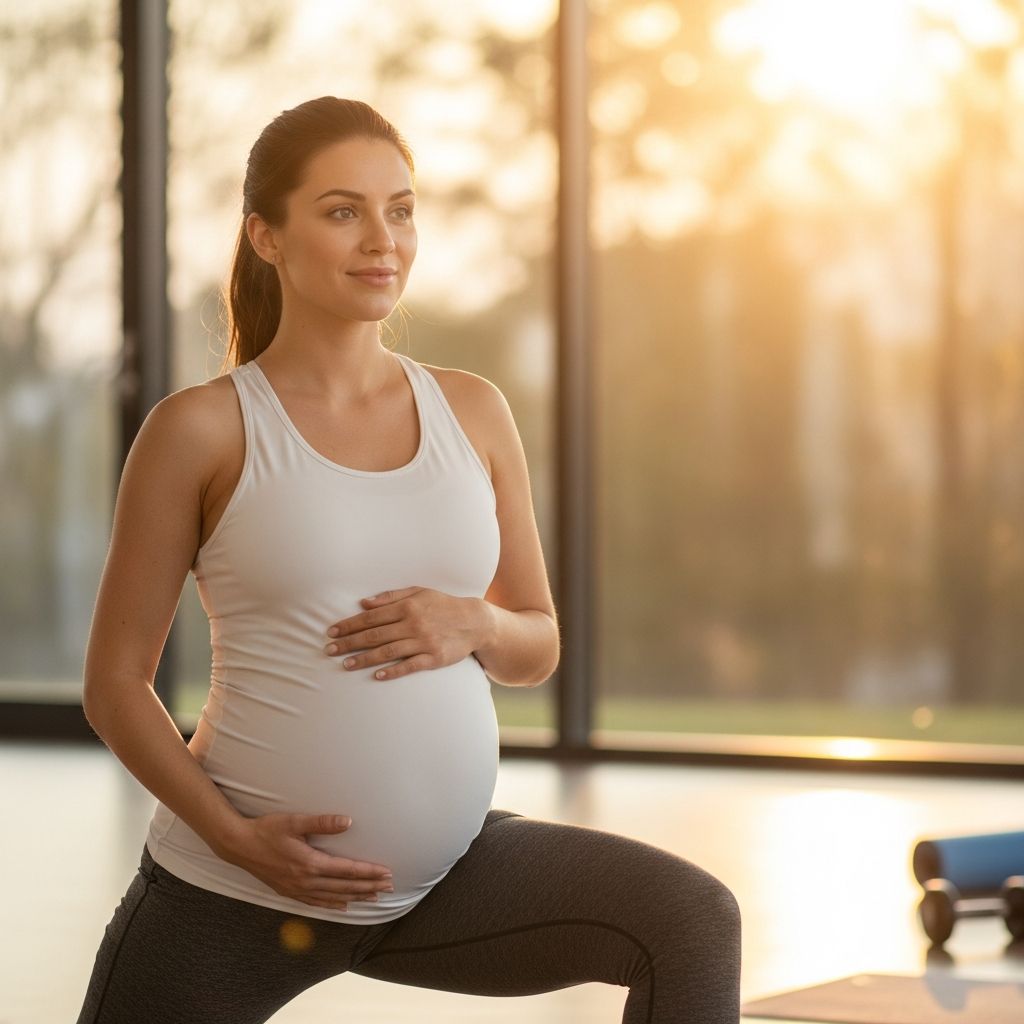
Preparing your body through targeted fitness before conception lays a strong foundation for fertility, a smoother pregnancy, and faster postpartum recovery. Regular physical activity regulates hormones, supports ideal weight management, and enhances overall reproductive health, leading to better outcomes for both mother and baby.
Why Fitness Matters Before Conceiving
Engaging in consistent exercise prior to pregnancy offers multifaceted benefits. It modulates reproductive hormones, fostering a stable environment for ovulation and conception while improving circulation to vital organs. Women who maintain an active lifestyle preconception often face fewer complications such as gestational diabetes, preeclampsia, and excessive weight gain.
Physical fitness also bolsters emotional resilience, helping manage stress that can disrupt fertility. Stronger muscles from preconception workouts ease labor pains, shorten delivery times, and accelerate recovery, with studies showing reduced rates of cesarean sections and preterm labor among fit mothers.
Moreover, a healthy preconception weight—achieved through exercise—correlates with improved fetal development, lower birth defect risks, and enhanced neonatal cardiovascular health.
Key Benefits of Pre-Pregnancy Exercise
- Enhanced Fertility: Regulates menstrual cycles and balances hormones for better conception chances.
- Risk Reduction: Lowers gestational diabetes, hypertension, and preeclampsia incidence.
- Improved Delivery: Builds stamina for shorter labor and more vaginal births.
- Postpartum Ease: Stronger core and pelvic floor speed recovery and prevent incontinence.
- Baby’s Health: Promotes better metabolic and heart health in newborns.
Designing Your Preconception Workout Plan
Consult your healthcare provider before starting to tailor a safe routine based on your fitness level and health history. Aim for 150 minutes of moderate activity weekly, spread over at least three days, as endorsed by leading health organizations.
Cardiovascular Exercises for Endurance
Incorporate low-impact cardio to build heart health and stamina without joint strain. Options like brisk walking, swimming, or stationary cycling elevate energy levels and aid weight control.
- Brisk walking: 30 minutes daily on varied terrain.
- Swimming: Buoyant support minimizes impact, ideal for longer sessions.
- Cycling: Use stationary bikes to control intensity.
Progress gradually to avoid overexertion, monitoring for dizziness or fatigue.
Strength Building for Support
Resistance training twice weekly targets major muscle groups, preparing your body for pregnancy’s physical demands. Focus on compound moves using bodyweight or light weights.
| Exercise | Muscles Targeted | Sets/Reps | Benefits |
|---|---|---|---|
| Squats | Legs, glutes, core | 3 sets of 10-12 | Supports pelvic stability |
| Lunges | Legs, balance | 3 sets of 8-10 per leg | Improves mobility |
| Push-ups (modified) | Upper body, core | 3 sets of 8-10 | Builds pushing strength for labor |
| Planks | Core, pelvic floor | 3 sets of 20-30 sec | Enhances stability |
Flexibility and Mind-Body Practices
Yoga and Pilates enhance flexibility, core strength, and stress reduction—crucial for hormonal balance. Prenatal-friendly classes teach breathing techniques beneficial for labor.
- Yoga poses: Cat-cow, child’s pose for spinal health.
- Pilates: Emphasizes controlled movements for pelvic floor engagement.
- Kegels: Daily contractions strengthen muscles against incontinence risks.
Nutrition: Fueling Your Fitness Journey
Pair workouts with a nutrient-dense diet rich in fruits, vegetables, whole grains, and lean proteins to optimize fertility and energy. Prenatal vitamins ensure folate and iron intake, reducing neural tube defect risks.
Hydrate adequately—aim for 8-10 glasses daily—and limit processed foods. Balanced meals sustain workouts and preconception health.
Common Pitfalls and Safety Tips
Avoid high-impact activities or extreme calorie restriction, which can harm fertility. Warm up for 5-10 minutes and cool down with stretches to prevent injury.
- Listen to your body: Stop if experiencing pain or shortness of breath.
- Track progress: Use a journal for motivation.
- Combine with stress management: Meditation complements physical efforts.
Frequently Asked Questions
Is it safe to start exercising if I’m new to fitness?
Yes, begin slowly with low-impact activities like walking or yoga, consulting your doctor first.
How soon before trying to conceive should I start?
Ideally 3-6 months to build sustainable habits and achieve health goals.
Can exercise help if I’m overweight?
Absolutely—moderate activity aids weight management and fertility without crash diets.
What if I have health conditions?
Personalized plans from professionals ensure safety; conditions like hypertension benefit from tailored routines.
Does strength training affect fertility?
No, moderate training supports it by improving circulation and hormone balance.
Long-Term Rewards of Preconception Fitness
Committing to fitness now invests in a resilient body for motherhood’s demands. From conception ease to empowered labor and swift recovery, these habits transform your journey. Track improvements in energy, mood, and strength as milestones toward welcoming your baby healthily.
Integrate cardio, strength, and flexibility with nutrition for holistic preparation. Your proactive steps today yield enduring benefits for you and your child.
References
- Getting Fit: How to Prepare for Pregnancy — Genesis OBGYN. 2023. https://genesisobgyn.net/getting-fit-how-to-prepare-for-pregnancy/
- Exercising Before Pregnancy: A Healthy Foundation — El Camino Women. 2023. https://elcaminowomen.com/blog/pregnancy/exercising-before-pregnancy-a-healthy-foundation-for-an-enjoyable-pregnancy.html
- Strong Moms: The Importance of Exercise Before, During and After Pregnancy — Emory Healthcare. 2023. https://www.emoryhealthcare.org/stories/womens-health/strong-moms-the-importance-of-exercise-before-during-and-after-pregnancy
- How do I get healthy before I get pregnant? — Go Red for Women, American Heart Association. 2023. https://www.goredforwomen.org/en/know-your-risk/pregnancy-and-maternal-health/getting-healthy-before-pregnancy
- Physical Activity Guidelines for Americans — U.S. Department of Health & Human Services. 2023. https://health.gov/our-work/nutrition-physical-activity/physical-activity-guidelines
Similar Articles





Read full bio of medha deb