Unusual Cravings in Pregnancy: The Soil Eating Phenomenon
Discover why expectant mothers worldwide develop intense urges for dirt and clay, exploring science, risks, and safe alternatives.
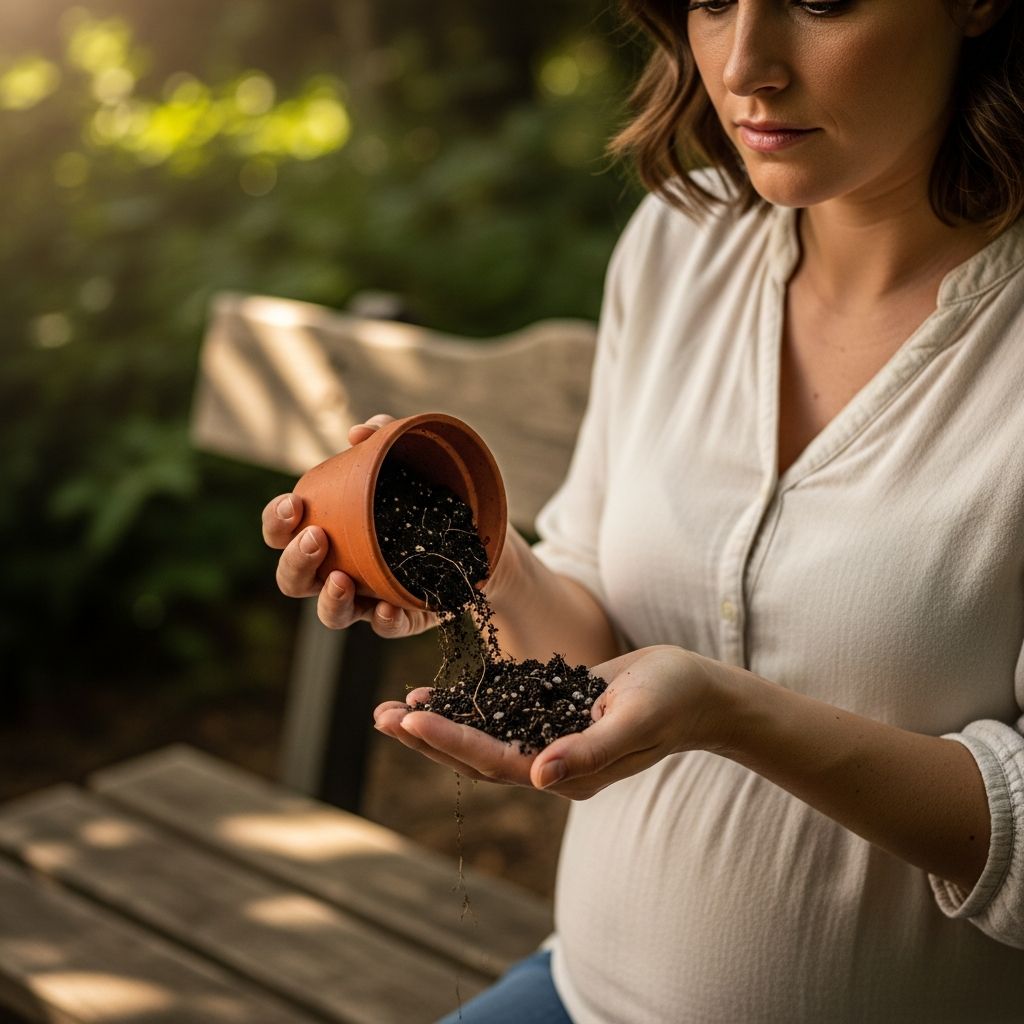
During pregnancy, many women experience heightened senses of taste and smell, leading to intense food desires. However, some develop urges for non-edible substances like soil, clay, or chalk—a condition known as pica, specifically geophagia when involving earth materials. This phenomenon, observed across cultures and continents, raises questions about its origins, implications, and management. While it may signal nutritional needs, consuming dirt carries significant health concerns for both mother and baby.
Defining Pica and Geophagia: Beyond Typical Hunger
Pica refers to the persistent craving and ingestion of non-nutritive items, such as dirt, ice, or starch. The term derives from the Latin word for magpie, a bird notorious for eating almost anything. Geophagia, a subset of pica, specifically involves eating soil or clay. This behavior is not limited to humans; animals often consume earth to counter digestive issues or toxins, suggesting an evolutionary basis.
In pregnancy, pica manifests uniquely due to hormonal shifts and increased nutritional demands. Expectant women might seek out specific soil types—brick-red clays believed rich in iron or lighter varieties preferred for smoother texture. These preferences vary culturally, with some communities harvesting soil from termite mounds, riverbanks, or mountains for its purported purity and mineral content.
Global Reach: How Widespread Are These Cravings?
Geophagia during pregnancy is a universal occurrence, though prevalence differs dramatically by region. In Denmark, only about 0.01% of pregnant women report soil consumption, while in Kenya, up to 56% engage in the practice. African studies, such as one at Dr. George Mukhari Academic Hospital, found high rates among antenatal attendees, with many citing uncontrollable urges especially before rainy seasons when soil smells intensify.
In the United States, dedicated markets exist, like shops selling kaolin clay in Georgia, catering to these cravings. Globally, cultural normalization plays a role: in parts of Africa and Asia, pregnant women receive soil as gifts, viewing it as beneficial for fetal development. A 1990 study noted 1.7% of U.S. children exhibited pica, hinting at early-life patterns that may persist or reemerge in pregnancy. Estimates suggest 8-80% of pregnancies involve some pica form, with dirt and ice leading.
Potential Triggers: Nutritional Gaps or Instinctual Drives?
- Iron and Mineral Deficiencies: Pregnancy amplifies needs for iron, calcium, magnesium, and zinc. Soil, particularly clay, contains these minerals. Anemia-linked pica may drive women toward iron-rich red clays, as generations pass down beliefs in its supplementing power.
- Hormonal and Immune Changes: Elevated pregnancy hormones alter appetite regulation. Immune suppression to protect the fetus might trigger protective geophagia, where clay binds toxins or pathogens, mirroring animal behaviors.
- Sensory and Psychological Factors: Cravings often stem from soil’s taste, texture, or earthy aroma, especially post-rain. About 26% of surveyed women couldn’t explain their urge beyond sensory appeal. Stress or morning sickness relief is also reported anecdotally.
- Cultural and Familial Influences: In many societies, geophagia is a tradition for easing nausea, improving skin, or ensuring baby health, reinforced intergenerationally.
Reported Benefits: Fact or Folklore?
Proponents claim geophagia soothes gastrointestinal woes, much like kaolin in anti-diarrheal medications. Animal studies support clay’s toxin-absorbing properties, potentially aiding pregnant women against foodborne risks amid immune changes. Some report nausea relief or mineral boosts, with lighter soils favored to avoid constipation.
However, scientific validation is scant. While clay’s mineral profile is promising, bioavailability is questionable, and benefits remain largely anecdotal. No robust evidence confirms paler skin or illness prevention from soil eating.
The Hidden Dangers: Risks to Mother and Child
Despite appeals, geophagia poses serious threats. Even ‘clean’ subsurface soil harbors parasites, bacteria, or heavy metals like lead, risking poisoning or hyperkalemia (high potassium leading to heart issues).
| Risk | Description | Pregnancy Impact |
|---|---|---|
| Parasitic Infections | Soil-borne worms or protozoa | Fetal growth restriction, preterm birth |
| Heavy Metal Toxicity | Lead, arsenic accumulation | Neurological damage to baby |
| Nutrient Malabsorption | Clay binds vitamins/minerals | Anemia, developmental delays |
| Gastrointestinal Blockage | Constipation, obstruction | Intestinal perforation possible |
| Electrolyte Imbalance | Excess potassium | Cardiac arrhythmias |
Constipation is common, worse with sticky brown clays. Long-term intake exacerbates deficiencies ironically, as soil interferes with iron uptake—the very nutrient it supposedly provides. Pregnant women face amplified fetal risks, including low birth weight or congenital issues.
Safe Management Strategies: Addressing Cravings Effectively
Consult healthcare providers immediately upon noticing non-food urges. Blood tests can detect deficiencies, guiding targeted supplementation.
- Nutritional Interventions: Iron, multivitamin supplements correct anemia-linked pica. Foods like spinach, red meat, or fortified cereals satisfy mineral needs safely.
- Behavioral Techniques: Chew ice (pagophagy) as a low-risk alternative if approved. Distraction via healthy snacks or therapy for underlying compulsions.
- Cultural Sensitivity: Discuss traditions respectfully; providers may recommend pasteurized clays (rare) or substitutes like bentonite in controlled doses.
- Monitoring: Regular prenatal checkups track fetal health and resolve issues promptly.
Studies emphasize early intervention prevents complications. For instance, resolving iron deficiency often eliminates cravings.
Soil Preferences Among Consumers: A Cultural Lens
Pregnant women select soils deliberately. Brick-red clays are prized for iron content; black varieties for low microbe risk; light red for non-sticky texture. Harvested from safe sites like mole hills, these choices reflect passed-down knowledge, blending nutrition, safety, and enjoyment.
Expert Perspectives: What OB-GYNs Advise
Professionals like those at Ohio State Wexner Medical Center note pica’s commonality but urge caution, linking it to zinc/iron lows. They recommend disclosing cravings openly, as untreated pica signals deeper issues. Multidisciplinary approaches—involving dietitians and psychologists—yield best outcomes.
Frequently Asked Questions About Pregnancy Soil Cravings
Is eating dirt during pregnancy always a sign of deficiency?
Not necessarily; while often tied to iron or zinc shortages, sensory, cultural, or hormonal factors contribute. Testing clarifies causes.
Can geophagia harm my baby?
Yes, via toxins, infections, or nutrient blocks, potentially causing growth issues or poisoning. Risks outweigh unproven benefits.
How do I stop these cravings safely?
See your doctor for supplements, eat nutrient-dense foods, and use ice or gum as substitutes. Therapy helps persistent cases.
Why do some cultures embrace soil eating?
Traditions view it as protective or medicinal, with beliefs in mineral boosts or nausea relief persisting generations.
Is ice-craving safer than dirt?
Yes, pagophagy is common and lower-risk, often self-limiting, though it may indicate anemia.
Conclusion: Empowering Informed Choices
Geophagia captivates as a blend of biology, culture, and instinct, but evidence prioritizes caution. By understanding triggers and risks, pregnant women can seek safe resolutions, ensuring optimal health. Always prioritize professional guidance over folklore for a thriving pregnancy.
References
- Why pregnant women eat dirt — The Week. 2015-05-01. https://theweek.com/articles/485983/why-pregnant-women-eat-dirt
- Eating Dirt: Why People Do It, Dangers, and Purported Benefits — Healthline. 2023-10-10. https://www.healthline.com/health/mental-health/eating-dirt
- Prevalence of geophagia and its contributing factors among pregnant women — PMC (South African Medical Journal). 2017-04-27. https://pmc.ncbi.nlm.nih.gov/articles/PMC5398443/
- Dirt? Ash? Hair?! Odd Pregnancy Cravings Explained — Ohio State Wexner Medical Center (YouTube). 2015-12-14. https://www.youtube.com/watch?v=DLT95Ls3L68
- Pica In Pregnancy: Causes, Treatment — The Bump. 2023-01-15. https://www.thebump.com/a/pica-during-pregnancy
Similar Articles







Read full bio of Sneha Tete