Harvesting Colostrum Prenatally: A Guide
Discover how collecting colostrum before birth empowers new parents with vital nutrition for newborns.
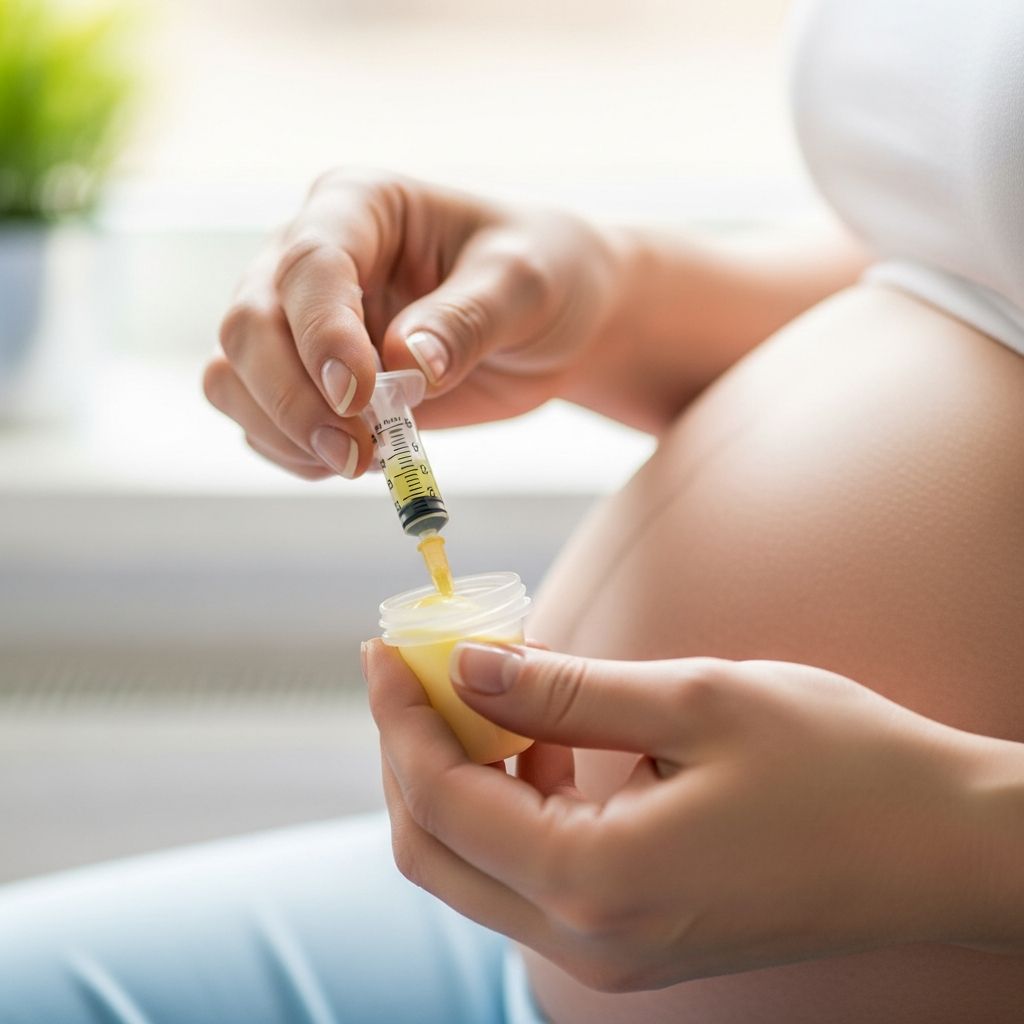
Colostrum, often called “liquid gold,” is the nutrient-dense first milk produced by breasts during late pregnancy. Harvesting it antenatally from around 36-37 weeks allows parents to store this immune-boosting substance for immediate newborn use, particularly beneficial in challenging births or for babies at risk.
Understanding Colostrum’s Unique Composition
Colostrum differs markedly from mature breast milk, appearing thick, sticky, and yellowish due to high carotenoid and vitamin A content. It boasts elevated protein and mineral levels while being lower in fats, carbohydrates, and certain vitamins, perfectly tailored for a newborn’s tiny stomach.
- Immunoglobulins and Antibodies: Packed with IgA, it coats the baby’s gut, blocking harmful pathogens and fostering beneficial bacteria for lifelong protection.
- Laxative Properties: Aids in passing meconium, the first dark stool, preventing jaundice.
- Nutritional Density: Supplies magnesium for heart and bone health, plus copper and zinc for immunity, in a slow-flow form that teaches sucking, swallowing, and breathing.
This concentrated elixir provides all a baby needs in the first days, far surpassing formula in infection prevention and gut maturation.
Key Benefits for Newborns and Parents
Prenatal colostrum collection offers multifaceted advantages, especially for vulnerable infants.
| Benefit | For Baby | For Parent |
|---|---|---|
| Immunity Boost | Reduces infection risk, stabilizes blood sugar | Builds breastfeeding confidence |
| Gut Health | Establishes healthy flora, enhances nutrient uptake | Shorter time to mature milk production |
| Feeding Support | Ideal for preemies, C-sections, low birth weight | Partner bonding via bottle-feeding |
For babies of mothers with diabetes, it combats hypoglycemia in the critical first 24 hours. Premature or low-weight infants gain crucial protection during NICU stays, with colostrum’s scent even calming them during procedures.
Ideal Candidates for Prenatal Collection
Not every pregnancy requires this, but it’s invaluable for specific scenarios.
- Diabetes or PCOS: Counters low milk supply risks.
- Prematurity or multiples: Provides ready nutrition.
- Breast surgery history: Ensures supply despite challenges.
- C-section or preeclampsia: Supports delayed latching.
- General preparation: Enhances parental familiarity and milk transition.
Consult providers from 36 weeks; it’s safe for low-risk term pregnancies.
Safe Timing and Medical Guidance
Begin at the end of week 36 (or 37 in some guidelines) to minimize preterm labor risks from oxytocin release during expression. Unlike nipple stimulation tests, gentle hand expression rarely triggers contractions, akin to safe activities like intercourse.
Stop if cramping occurs and seek advice. High-risk cases (e.g., multiples, prior preterm birth) need tailored clearance.
Step-by-Step Hand Expression Technique
Hand expression trumps pumps for colostrum’s viscosity; practice builds skill.
- Prepare: Wash hands, relax in a warm room. Use a clean syringe (1-10ml) or spoon for collection.
- Position: Sit comfortably, support breast, form C-shape with thumb and fingers 3-4cm behind areola.
- Express: Gently press back toward chest wall, then compress and release rhythmically. Rotate positions to drain all ducts.
- Collect: Drops appear after 5-10 minutes per side; aim daily from 37 weeks.
- Frequency: 5-10 minutes, 1-2 times daily; supply increases near term.
Expect 0.5-2ml per session initially; consistency yields more. Videos from credible sources demonstrate effectively.
Storage and Hospital Use Protocols
Store drops in sterile syringes, label with name/date, freeze flat (lasts 6 months), then bundle for transport.
- Home Freezer: -18°C or colder.
- Hospital: Transfer to NICU freezer; thaw only as needed under warm water.
- Thawing: Never microwave; use within 24 hours refrigerated post-thaw.
Many hospitals accept and store it, prioritizing maternal colostrum over donor milk.
Potential Risks and Precautions
Risks are low but include uterine stimulation; monitor for contractions. Avoid if high preterm risk without approval. Infection prevention hinges on hygiene.
Over-expression rarely depletes reserves but consult if pain arises. Benefits outweigh risks for recommended groups.
Real Parent Experiences
Lauren, with PCOS, collected daily from week 37, yielding enough for her son’s first week, easing latch issues and allowing partner feeds. Such stories underscore empowerment and practicality.
Frequently Asked Questions
Is prenatal colostrum safe for all pregnancies?
Generally yes from 36-37 weeks, but consult your provider, especially with preterm history.
How much colostrum can I expect?
Small amounts (drops to 2ml per breast); every drop counts for newborns.
Does it trigger labor?
Unlikely with gentle technique; stop if cramping occurs.
Can I use a pump instead?
Hand expression is preferred for thick colostrum; pumps may not work well.
What if my baby is premature?
Colostrum is vital; express and store for NICU use via dropper or cup.
Preparing for a Confident Start
Antenatal expression demystifies breastfeeding, averts engorgement, and equips you for success. Discuss with your care team, practice early, and celebrate this proactive step toward your baby’s health.
References
- Prenatal Colostrum Collection Guide — Overlake Medical Center. Accessed 2026. https://www.overlakehospital.org/services/childbirth-center/breastfeeding-support-and-after-birth/prenatal-colostrum-collection-guide
- Boost infant health with breast milk before baby’s birth — Mayo Clinic Health System. Accessed 2026. https://www.mayoclinichealthsystem.org/hometown-health/speaking-of-health/boost-infant-health-with-breast-milk-before-birth
- Expressing your milk before your baby arrives — Association of Breastfeeding Mothers. Accessed 2026. https://abm.me.uk/breastfeeding-information/antenatal-expression-colostrum/
- Your first breast milk – colostrum — Health Service Executive (HSE.ie). Accessed 2026. https://www2.hse.ie/babies-children/breastfeeding/a-good-start/your-first-breast-milk-or-colostrum/
- Colostrum: What Is It, Benefits & What To Expect — Cleveland Clinic. Accessed 2026. https://my.clevelandclinic.org/health/body/22434-colostrum
- Antenatal Expression of Colostrum — La Leche League GB. Accessed 2026. https://laleche.org.uk/antenatal-expression-of-colostrum/
Similar Articles








Read full bio of medha deb