Fair Love: Preventing Sibling Rivalry Over Parental Favoritism
Practical strategies for parents to nurture equal love and avoid unintentional favoritism among siblings, fostering family harmony.
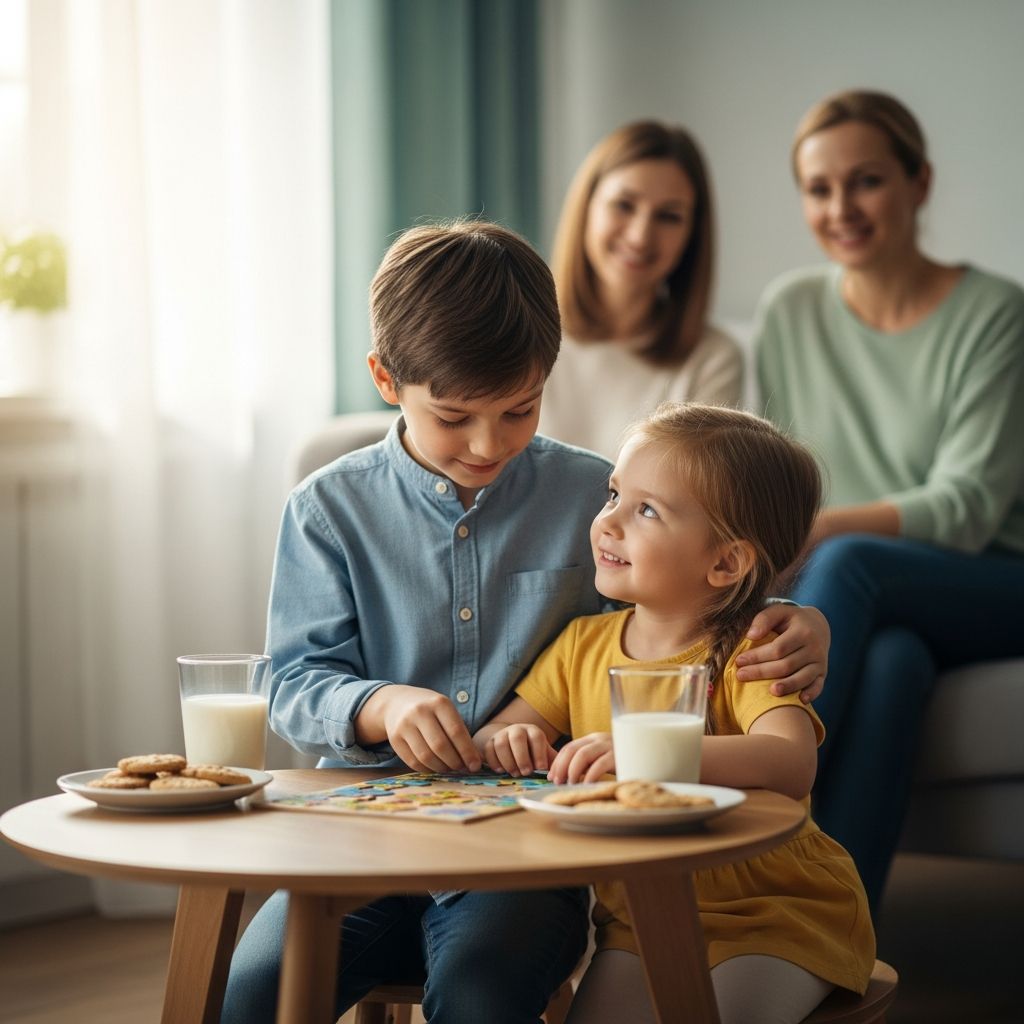
Parenting multiple children brings immense joy, but it also introduces challenges like perceived favoritism. When one child feels overlooked, it can spark resentment, jealousy, and long-term relational strains. Studies in child development highlight that perceived unequal treatment correlates with lower self-esteem and increased sibling conflict. This comprehensive guide offers actionable strategies to cultivate equity in your home, ensuring each child thrives without competition for your affection.
Understanding the Roots of Perceived Favoritism
Favoritism isn’t always overt; it often manifests subtly through daily interactions. Children are acutely aware of nuances like who receives more hugs, longer bedtime stories, or quicker help with homework. Psychological research indicates that even minor imbalances in attention can lead children to internalize feelings of inadequacy.
Factors contributing to this include parental biases toward personalities resembling their own, birth order dynamics, or differing temperaments. For instance, an outgoing child might naturally draw more laughter and engagement, leaving quieter siblings feeling sidelined. Recognizing these patterns is the first step toward intentional parenting that honors each child’s uniqueness without comparison.
- Birth Order Influence: Firstborns often get more structured attention, while youngest may receive indulgent playfulness.
- Temperament Match: Parents bond faster with children mirroring their energy levels or interests.
- Life Stage Demands: A child’s age or needs (e.g., school stress) can temporarily shift focus.
Awareness empowers correction. Regularly audit your interactions: Track a week’s worth of one-on-one time per child to spot disparities.
Building Awareness: Self-Reflection for Balanced Parenting
Self-examination is foundational. Begin by journaling responses to key questions: Do I initiate conversations more with certain kids? Am I quicker to praise one over others? Does frustration arise faster with specific behaviors? This reflection reveals unconscious patterns.
Implement a weekly check-in ritual. Note instances of positive reinforcement, discipline, and quality time. Adjust proactively— if one child dominates dinner discussions, consciously draw out others with targeted questions like, “What was the highlight of your day?”.
| Child | Daily Attention (Minutes) | Praise Instances | Discipline Episodes |
|---|---|---|---|
| Child A | 45 | 8 | 2 |
| Child B | 30 | 5 | 4 |
| Child C | 35 | 6 | 3 |
Use a simple tracking table like this to visualize imbalances and set goals for equity. Over time, this fosters a home where love feels abundant for all.
Mastering Praise and Discipline Without Bias
Praise and correction are potent favoritism signals. Labeling a child as “the smart one” or “the troublemaker” cements hierarchies. Instead, focus on effort: “You practiced diligently—that’s why it turned out great!” Research from child psychologists shows effort-based feedback boosts resilience and motivation across all kids.
For discipline, apply consistent standards tied to actions, not personalities. Avoid, “Why can’t you be more like your sister?” Opt for, “Hitting hurts feelings; let’s find words next time.” This teaches accountability without sibling rivalry fuel.
- Praise specifics: Effort, improvement, kindness over innate traits.
- Discipline fairly: Same rules, proportional consequences regardless of who broke them.
- Balance immediately: Follow correction with a positive note to maintain security.
Consistency demonstrates that rules stem from family values, not personal preferences.
Cultivating Individual Connections Through Rituals
Generic family time is vital, but personalized rituals prevent one-size-fits-all affection. Tailor activities to each child’s preferences: quiet reading with the introvert, active games with the energetic one.
Examples:
- Morning coffee chats for the early riser.
- Evening walks for the nature lover.
- Weekly “date nights” rotating kids for undivided focus.
These micro-moments signal, “You matter uniquely.” Even 10 minutes daily builds profound security, reducing competition.
Navigating Sibling Conflicts Neutrally
Sibling squabbles test neutrality. Never pick sides hastily; hear all perspectives then address behaviors collectively. Say, “Fighting isn’t okay—both of you take a break,” rather than adjudicating winners.
Avoid judging competitions: When kids ask, “Who’s better at drawing?” Redirect: “Everyone has strengths; show me what you love creating.” This nips rivalry in the bud.
For older kids setting examples, frame it personally: “Using kind words helps everyone, including you,” instead of “Be good for your brother”. Neutrality teaches conflict resolution skills while modeling fairness.
Validating Feelings and Open Family Dialogue
Children may voice favoritism feelings directly—respond with empathy, not defense. “I hear you feel overlooked; that’s valid, and I love you equally. How can we spend more time together?” Validation de-escalates and opens repair.
Hold monthly family meetings: Share appreciations, air grievances anonymously if needed. This normalizes equity discussions, strengthening bonds.
Addressing Parent-Child Favoritism Dynamics
One parent becoming “favorite” strains partnerships. The favored parent should step back for bonding opportunities; the other hypes them up. Temporary phases pass with patience and teamwork.
- Rotate fun roles: Non-favorite handles playtime.
- Communicate privately: Reassure it’s not skill-based.
- Team up on discipline for unity.
Long-Term Benefits of Equitable Parenting
Families practicing these habits report tighter sibling ties, higher self-esteem, and resilient kids. By modeling unconditional love, parents equip children for lifelong healthy relationships.
Commit to growth: Apologize when slipping, celebrate progress. Your efforts yield a legacy of harmony.
Frequently Asked Questions (FAQs)
What if one child is genuinely easier to parent?
Challenge yourself to invest extra in the tougher one. Effort-based love bridges gaps, turning challenges into deeper bonds.
How do I handle kids tattling to gain favor?
Address the behavior, not the reporter: “Tattling doesn’t solve issues; talk directly first.” Promotes independence.
Is equal time realistic with busy schedules?
Prioritize quality micro-moments over quantity. Five focused minutes trump distracted hours.
What about natural personality preferences?
Acknowledge internally, act equitably. Love expands to fit all.
Can favoritism cause lasting damage?
Perceived inequities link to adult resentment; proactive parenting prevents this.
References
- As a Dad How to Balance Affection and Avoid Favoritism — Wholehearted Dads. 2023. https://www.wholehearteddads.com/avoiding-favoritism/
- How Can I Not Show Favorites with My Kids? — Wilson Counseling. 2024-05-15. https://www.wilsoncounseling.org/wilson-counseling-blog/how-can-i-not-show-favorites-with-my-kids
- 6 Ways to avoid the favoritism trap — The Momiverse. 2022-08-10. https://themomiverse.com/motherhood-and-family/6-ways-to-avoid-the-favoritism-trap/
- 8 parenting habits that prevent favoritism — Artful Parent. 2024. https://artfulparent.com/c-lc-8-parenting-habits-that-prevent-favoritism-even-when-one-child-feels-easier-to-love/
- What to do if you’re not the favorite parent — The Pediatrician Mom. 2023-11-20. https://www.thepediatricianmom.com/blog/parental-favoritism
Similar Articles






Read full bio of medha deb