Puppy Parenthood vs. Human Parenthood: The Real Comparison
Discover why raising a puppy can feel tougher than nurturing a newborn, from training chaos to cost breakdowns and long-term rewards.
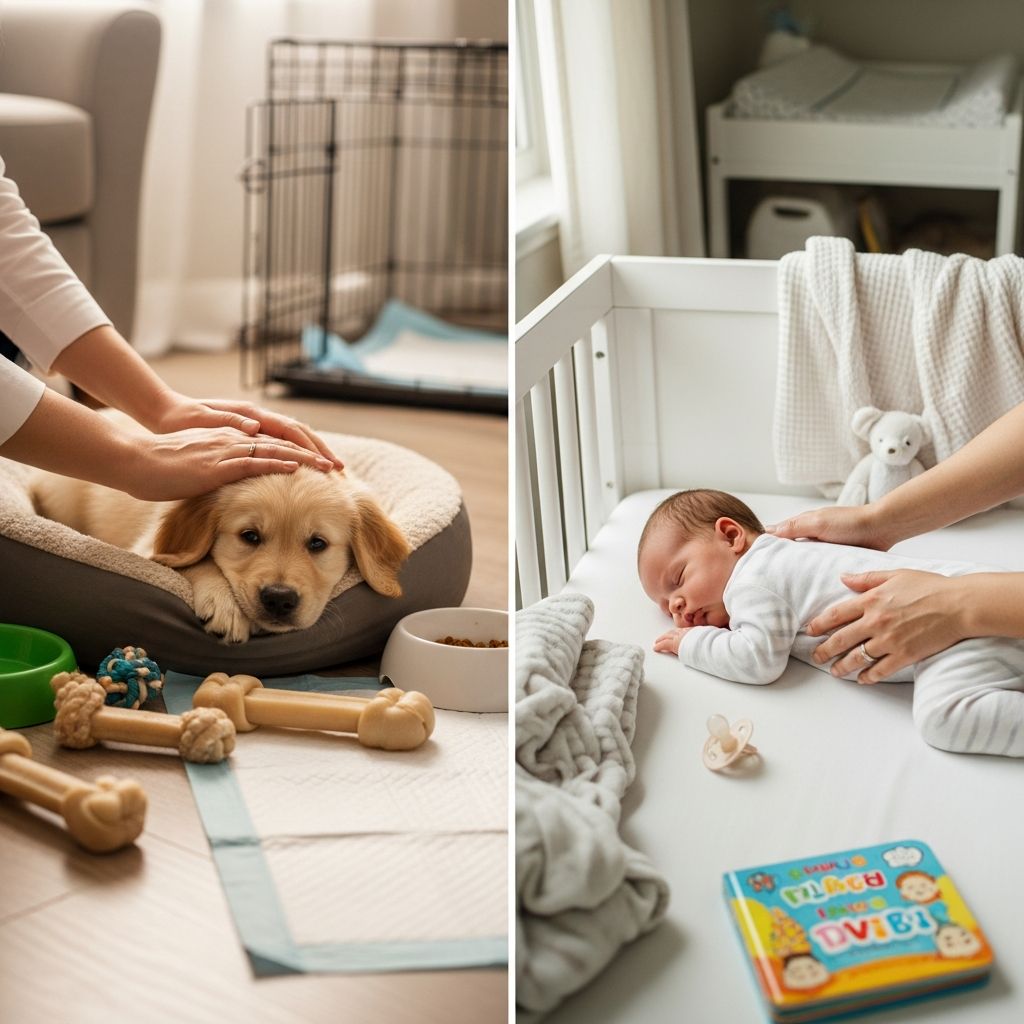
Raising a puppy often demands more immediate vigilance and training than caring for a newborn baby, primarily due to puppies’ rapid physical development and instinctive behaviors that require swift correction.
Daily Routines: The Grind of Caregiving
Both puppies and newborns disrupt sleep patterns, but the nature of these interruptions differs significantly. Newborns feed every 2-3 hours around the clock, demanding parental presence for nursing, diapering, and soothing, which can extend into exhaustive cycles with minimal breaks. Puppies, typically acquired at 8 weeks, might only need one midnight bathroom outing if crate-trained effectively, allowing owners longer stretches of rest compared to the relentless feeding schedule of infants.
Daytime care amplifies these contrasts. Puppies require frequent outdoor potty trips—every 1-2 hours initially—to prevent indoor accidents, coupled with play sessions to expend energy and prevent destructive chewing. Babies, being immobile, stay put in safe spots like cribs or playpens, freeing parents to multitask briefly without fear of household destruction.
- Puppies: Constant supervision to avoid chewing furniture, shoes, or wires.
- Babies: Primarily responsive care focused on feeding and holding.
- Shared: High energy demands that test parental stamina.
Training and Behavior Management
Puppies enter homes with innate survival instincts—scavenging, biting, and roaming—that must be actively unlearned through consistent training starting immediately. Commands like sit, stay, and come, plus socialization with people and other animals, fill owners’ days, often leading to frustration if progress stalls. Failure to train early risks creating fearful or aggressive adults.
Newborns, in contrast, need no formal training. Their ‘fourth trimester’ status means they primarily sleep, eat, and cry for needs, with development unfolding naturally without discipline. Teething or rolling over phases arrive later, but without the urgency of preventing feral habits.
| Aspect | Puppy Training | Baby Development |
|---|---|---|
| Timeline | Weeks to months for basics | Years for milestones like walking |
| Methods | Crate, leashes, rewards/punishments | Cuddling, responsive feeding |
| Stakes | Risk of permanent bad habits | Gradual, forgiving progression |
Hygiene and Mess Control Challenges
Accidents define early stages for both, but containment varies. Baby messes stay in diapers, easily swapped without scouring floors or carpets. Puppy elimination happens anywhere unless vigilantly managed, leading to surprise puddles or piles that demand instant cleanup to avoid lingering odors and health risks.
Babies lack teeth initially, sparing parents from gnarled blankets or footwear. Puppies teethe fiercely around 3-6 months, shredding anything accessible unless provided tough toys. Bathing puppies requires full-body wrangling weekly, while newborns often need just sponge baths sporadically.
Financial Breakdown: Investments in Growth
Costs accumulate differently. First-year puppy expenses average $7,702 nationwide, covering adoption, spay/neuter, vaccines, food, and supplies. Babies rack up higher bills, often 2-3 times more, especially in states like Massachusetts where infant care exceeds puppy costs by nearly 300% due to medical deliveries, gear, and potential daycare.
Long-term, puppies mature by age 1—potty trained, obedient, independent—slashing daily inputs. Children require 18+ years of escalating education, activities, and healthcare, dwarfing pet expenses.
- Puppy startup: Crate ($50-200), food ($300/year), vet ($500+).
- Baby startup: Crib ($200+), formula/diapers ($1,500/year), hospital ($10,000+).
Emotional and Social Dimensions
Puppy owners crave breaks; crates enable safe solitude, unlike babies needing constant holding or monitored play. Socialization for pups means structured outings to parks or classes, building manners. Babies socialize organically via family visits, with no rush.
Both evoke profound joy—watching curious exploration and bonding through play. Yet puppies hit adolescence by 6-18 months, testing rules with rebellion, while babies’ challenges scale gradually.
Health and Safety Priorities
Veterinary care for puppies includes parvo shots and deworming, but owners control diets and exercise directly. Pediatric visits track growth, but babies’ immobility reduces injury risks early on. Puppies’ speed and curiosity invite escapes or ingestions, heightening vigilance.
The American Veterinary Medical Association emphasizes early puppy vaccines to prevent diseases, mirroring pediatric schedules but with shorter durations.
Long-Term Outcomes and Rewards
By year one, well-raised puppies become loyal companions needing walks and affection, not round-the-clock care. Toddlers demand toddler-proofing, speech therapy, and preschool, extending intensity. Puppies offer uncomplicated love—always thrilled at homecomings—easing emotional labor compared to children’s complex needs.
Yet both foster growth: puppies teach responsibility swiftly, preparing families for babies or vice versa.
Frequently Asked Questions
Is raising a puppy really harder than a baby?
Short-term, yes—puppies’ mobility and training needs create chaos babies lack.
How do sleep schedules compare?
Babies wake for feeds every 2-3 hours; puppies mainly for potty once nightly.
Are puppies cheaper long-term?
First year similar or less, but babies’ costs escalate over decades.
Can I crate a puppy like a crib?
Yes, crates provide safe naps, unlike constant baby monitoring.
Do puppies outgrow mischief faster?
Absolutely—adult by 1 year, trained if consistent.
Navigating Both Worlds Successfully
Families blending puppies and babies thrive with routines: crate puppies during feeds, train positives amid chaos. Patience yields well-adjusted pets and kids, turning challenges into cherished memories. Both journeys build resilience, but puppies’ brevity offers quicker wins.
Ultimately, neither is ‘easy,’ but puppies’ condensed intensity contrasts babies’ marathon, rewarding dedicated caregivers uniquely.
References
- Puppies Are Harder To Raise Than Babies — Fatherly. 2023-05-15. https://www.fatherly.com/life/raising-puppy-dog-versus-raising-baby
- Is Raising a Puppy Harder Than Raising a Baby? Let’s Dig In — Jenna Lee Doodles. 2024-02-10. https://www.jennaleedoodles.com/post/is-raising-a-puppy-harder-than-raising-a-baby-let-s-dig-in
- The Costs of a Puppy vs Baby in Every State — Total.Vet. 2024-07-22. https://total.vet/puppy-vs-baby/
- 9 Reasons Puppies Are Easier to Raise than Children — Psychology Today. 2011-05-20. https://www.psychologytoday.com/sg/blog/complete-without-kids/201105/9-reasons-puppies-are-easier-to-raise-than-children
- Puppy Vaccinations — American Veterinary Medical Association. 2025-01-15. https://www.avma.org/resources-tools/pet-owners/petcare/puppy-vaccinations
Similar Articles





Read full bio of medha deb