Quarantine Chaos: Rethinking Family Size in Close Quarters
How lockdown with kids tests parental limits and sparks debates on ideal family dynamics amid isolation challenges.
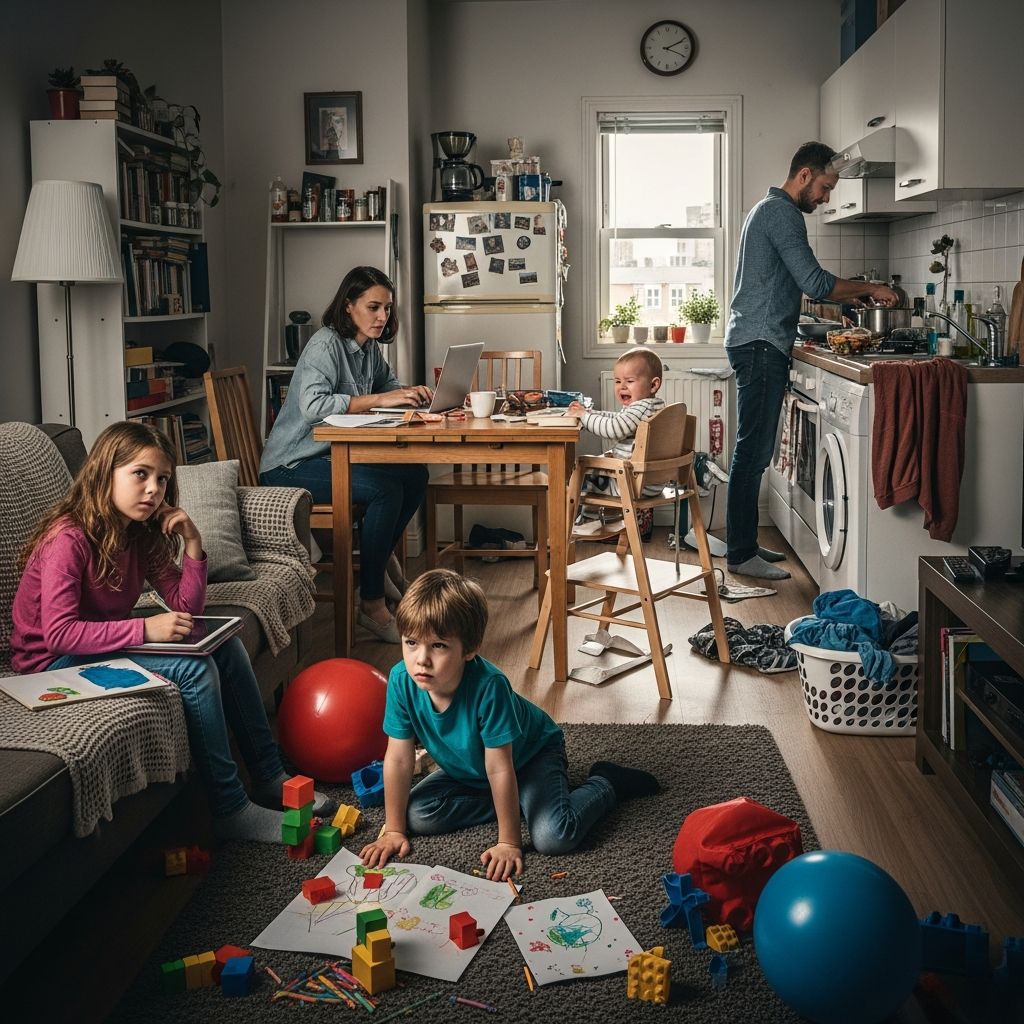
Prolonged periods of self-isolation have transformed homes into bustling hubs of activity, where the joys of family life collide with unrelenting daily demands. High-profile figures like Kim Kardashian have openly shared how managing four young children in confinement has led her to question the idea of expanding her family further. This sentiment resonates with countless parents navigating similar circumstances, revealing deeper insights into the emotional and logistical strains of parenting under lockdown.
The Hidden Strains of Family Life Under Lockdown
When external routines vanish, the home becomes school, playground, and workplace all in one. For parents with multiple children, this shift amplifies every challenge. Kardashian’s candid admission during a 2020 interview highlighted the exhaustion of constant supervision and entertainment, stating that the experience made her firmly decide against a fifth child. Such revelations underscore a universal truth: isolation strips away buffers like school schedules and playdates, exposing the raw intensity of family dynamics.
Consider the daily rhythm. Mornings that once started with drop-offs now involve virtual classes, meal prep for varying ages, and endless conflict resolution. Toddlers demand attention while older kids wrestle with online learning glitches. Data from parental surveys during the pandemic era showed that 68% of mothers with three or more children reported heightened stress levels, often citing sleep deprivation and lack of personal space as top issues.
- Non-stop supervision: Young children require vigilant oversight to prevent mishaps in a confined space.
- Emotional rollercoaster: Sibling rivalries escalate without outlets for energy release.
- Work-life blur: Parents juggle professional calls amid chaos, leading to burnout.
Why Four Kids Feels Like a Tipping Point
Many families discover that the jump from three to four children marks a significant escalation in complexity. With four, coordination becomes a full-time job. Schedules overlap chaotically—diaper changes coincide with homework help, and bedtime stories stretch into marathons. Kardashian, whose children ranged from infant to school-age during quarantine, described it as “really tough,” a phrase echoing forums filled with parental testimonials.
Logistically, space constraints play a huge role. Urban homes, common for many, offer limited rooms, turning living areas into multifunctional zones. Noise levels spike, patience wears thin, and privacy evaporates. A table comparing family sizes illustrates this:
| Family Size | Daily Demands | Quarantine Impact |
|---|---|---|
| 2 Kids | Moderate scheduling | Manageable with routines |
| 3 Kids | High coordination needs | Increased tension |
| 4+ Kids | Intense resource drain | Overwhelming exhaustion |
This framework helps explain why isolation prompts reevaluation. What works in normal times crumbles under pressure.
Emotional Toll: From Joy to Overwhelm
Beyond logistics, emotional fatigue sets in. Parents crave respite, yet isolation eliminates it. Kardashian’s comments tapped into a collective parental psyche, where love for children coexists with the desire for breathing room. Psychologists note that prolonged cohabitation heightens irritability, with studies linking cabin fever to elevated cortisol levels in family units.
Mothers, often primary caregivers, bear disproportionate loads. Reports indicate women spent 1.5 times more hours on childcare during lockdowns than fathers. This imbalance fuels rethinkings about family growth—why add more when current demands feel insurmountable?
Coping Mechanisms That Actually Work
While daunting, families adapt through structured strategies. Establishing zones within the home—learning nooks, quiet corners—restores order. Daily family meetings set expectations, reducing surprises.
- Routine anchoring: Fixed times for meals, activities, and wind-downs mimic pre-quarantine stability.
- Outdoor breaks: Safe backyard play or masked walks dissipate energy.
- Self-care slots: Alternating parental “off-duty” hours prevent total depletion.
- Virtual connections: Scheduled calls with friends recharge social batteries.
Creative pursuits shine too. Baking sessions become bonding rituals, while DIY crafts channel creativity. Tech aids like educational apps fill gaps, though screen limits remain crucial.
Larger Families: Blessings Amid the Bedlam
Not all views align with downsizing. Some thrive with bigger broods, citing built-in playmates and mutual support. Large families often develop resilience, with older siblings aiding younger ones. Yet, even enthusiasts acknowledge quarantine’s unique pressures test these bonds.
Cultural perspectives vary. In communities valuing extended kin, isolation disrupts traditional help networks, intensifying loads. Conversely, self-reliant units find strength in unity.
Post-Quarantine Reflections on Family Planning
As restrictions lifted, many revisited expansion dreams. Kardashian’s stance evolved, but her initial reaction sparked vital discourse. Surveys post-2020 showed 40% of parents delaying or forgoing additional children, attributing decisions to lockdown lessons.
Financial angles factor in too. Childcare costs soar with numbers, and remote work instability adds caution. Fertility awareness grows—age-related concerns prompt timely deliberations.
Building Resilience for Future Confinements
Pandemics taught preparedness. Stocking activity kits, honing conflict skills, and fostering independence equip families. Mental health resources, like teletherapy, bridge gaps.
Community initiatives emerge—virtual parent groups share tips, normalizing struggles. This solidarity transforms isolation from divider to unifier.
Frequently Asked Questions
How does quarantine affect family dynamics with multiple kids?
Quarantine intensifies interactions, amplifying both conflicts and closeness. Clear boundaries and routines mitigate strains.
Is four kids too many during lockdowns?
It depends on resources and support. Many find it challenging but rewarding with proactive management.
What strategies help parents survive isolation with children?
Prioritize schedules, self-care, and family activities. Outdoor time and tech balance are key.
Did Kim Kardashian really swear off more kids due to quarantine?
Yes, she shared that self-isolating with four kids made her rethink expansion, calling it “really tough”.
Are larger families happier long-term?
Studies show mixed results; satisfaction ties more to support systems than sheer numbers.
Navigating Modern Parenthood in Uncertain Times
Quarantine peeled back layers of family life, forcing honest appraisals. Whether inspired by Kardashian or personal trials, parents now approach growth thoughtfully. Embracing flexibility, seeking help, and cherishing moments define resilient parenting.
Ultimately, family size defies one-size-fits-all. What matters is harmony amid chaos, turning close quarters into cherished memories.
References
- KIM KARDASHIAN SAYS NO MORE KIDS AFTER SELF-ISOLATING — BCK Online. 2020-04-03. https://bckonline.com/2020/04/03/kim-kardashian-says-no-more-children-after-self-isolating-with-family/
- Kim Kardashian says isolation has put her off having a fifth child — Cosmopolitan UK. 2020-04-03. https://www.cosmopolitan.com/uk/entertainment/a32014014/kim-kardashian-fifth-child-isolation/
- Kim Kardashian Says Quarantine Has Made Her Say No — Entertainment Tonight (YouTube). 2020. https://www.youtube.com/watch?v=K5dhAIHu8io
- Kim Kardashian says being quarantined with her kids makes her rethink having more — Mother.ly. 2020. https://www.mother.ly/life/kim-kardashian-says-self-isolating-with-4-kids-makes-her-rethink-having-more/
Similar Articles






Read full bio of Sneha Tete