Relocating Far: Redefining Home with Family
Discover emotional and practical strategies for families moving long distances, rebuilding roots, and embracing new beginnings together.
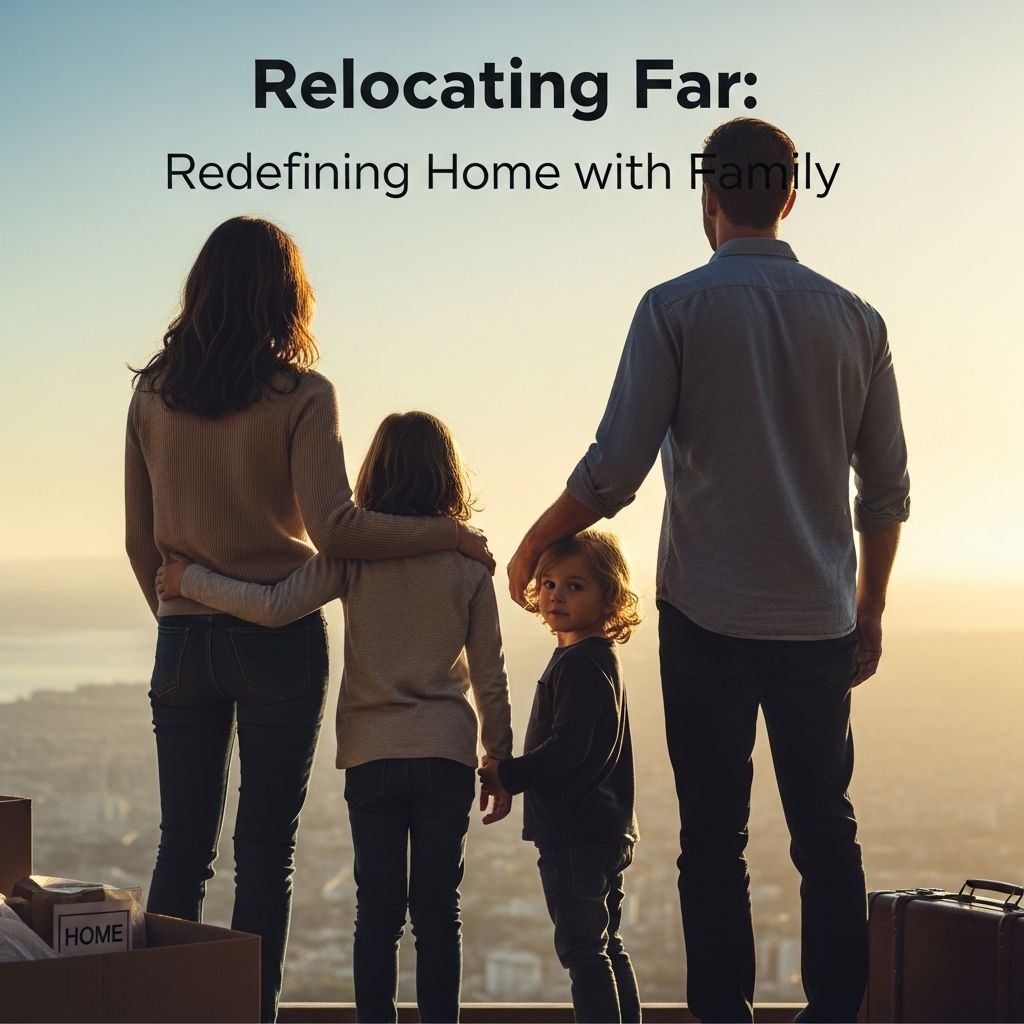
When families decide to uproot and relocate to a distant location, the journey transcends mere logistics. It involves reshaping identities, nurturing resilience in children, and reconstructing what ‘home’ truly means. This comprehensive guide delves into the multifaceted experience of long-distance family moves, drawing on real-world strategies to help parents and kids thrive amid change.
Understanding the Emotional Layers of Family Moves
Relocation often triggers a whirlwind of emotions, particularly for parents juggling their own uncertainties with their children’s needs. The sense of loss for familiar surroundings can feel profound, yet it also opens doors to growth. Parents frequently report initial grief over leaving established support networks, schools, and routines, which mirrors the anxiety children experience when parting from friends and playgrounds.
To navigate this, families benefit from open dialogues about feelings. Acknowledging sadness validates emotions and paves the way for excitement about new adventures. Research from child psychology emphasizes pre-move preparation, such as storytelling about the upcoming change, to build anticipation rather than dread.
- Hold family meetings to discuss expectations and fears.
- Create memory books with photos and notes from the old home.
- Encourage kids to exchange addresses with friends for ongoing connections.
Practical Planning for a Smooth Transition
Logistics form the backbone of a successful move. Starting early with a detailed checklist prevents last-minute chaos. Key steps include securing housing, arranging movers, and updating essential documents like school records and medical files.
For rentals or purchases from afar, leverage technology and local networks. Virtual tours via video calls provide glimpses into properties, while satellite views on mapping tools reveal neighborhood vibes, proximity to schools, and green spaces.
| Task | Timeline | Essential Tips |
|---|---|---|
| Research neighborhoods | 3-6 months out | Use maps for commute times; connect with locals via social groups. |
| Secure housing | 2-4 months out | Partner with experienced agents; request video walkthroughs. |
| Enroll in schools | 1-2 months out | Visit virtually; prepare transfer documents early. |
| Set up utilities | 2 weeks out | Schedule online; confirm internet for remote work/school. |
Consider temporary stays like short-term rentals or family homes during the move to ease unpacking stress, especially with young children who thrive on stability.
Selecting the Ideal New Community
Choosing where to land requires balancing family needs with lifestyle fit. Proximity to work, schools, parks, and healthcare is crucial, but so is the cultural pulse—access to libraries, community events, and recreational spots fosters belonging.
For families with kids, prioritize areas with strong school districts and play areas. Parents should scout for their own outlets too, like fitness classes or parent groups, to combat isolation. A scouting trip, even brief, offers invaluable insights: traffic flow, home styles, and community energy that screens can’t capture.
- Evaluate school ratings and extracurriculars.
- Check for family-friendly amenities like playgrounds and trails.
- Assess public transport and grocery access for daily ease.
Supporting Children’s Adjustment to New Surroundings
Kids process moves differently by age. Toddlers may regress in sleep or potty training, while school-age children grieve lost friendships. Teens might resist, feeling uprooted from social lives.
Strategies include maintaining routines where possible—same bedtime stories or meals—and involving kids in nesting the new space. Designate their room first, letting them unpack toys to claim ownership. Virtual playdates bridge gaps until new friends emerge.
Monitor for prolonged withdrawal; if needed, consult pediatricians familiar with relocation stress. Schools often provide counseling to aid integration.
Rebuilding Social Networks from Scratch
One of the hardest aspects is forging new relationships. Join local parent groups on social platforms, attend library story hours, or enroll in sports leagues. Military families exemplify this by tapping networks for insider tips on rentals and neighborhoods.
Host casual playdates or potlucks to break ice. Consistency in showing up builds trust over time. For parents, co-working spaces or hobby clubs recreate professional and personal circles.
Financial Considerations in Long-Distance Relocations
Moves incur costs: movers, deposits, temporary housing. Budget for unexpected fees like utility setups or vehicle registrations across states. Seek employer relocation packages if applicable.
Compare moving quotes; full-service packers save sanity with kids. Renters insurance and new licenses add up—plan appointments early to avoid delays.
Health and Wellness During the Move
Stress impacts immunity, so prioritize sleep, nutrition, and light exercise. Pack a ‘first night’ box with essentials: medications, snacks, chargers, and comfort items for kids.
Post-move, establish pediatricians and therapists promptly. Fresh air explorations in new parks boost mood and energy.
Frequently Asked Questions (FAQs)
How do I help my child make friends in a new city?
Enroll in activities like soccer or art classes; use apps for playdate setups. Consistency at community events helps bonds form naturally.
Is a house-hunting trip worth it?
Yes, for gauging vibes and narrowing options, even if virtual tools aid initial searches.
What if we can’t visit the new home beforehand?
Rely on trusted locals for walkthroughs, thorough video tours, and detailed photos. Trust instincts after research.
How long does adjustment take?
Varies; weeks for routines, months for deep roots. Patience and proactive socializing speed it up.
Tips for managing move-day chaos with kids?
Use distractions like tablets; stay with relatives or Airbnbs; hire packers to focus on family.
Cultivating a New Sense of Belonging
Home evolves—it’s less a place, more shared experiences. Mark milestones: first neighborhood walk, new school open house. Traditions like weekly family outings anchor everyone.
Reflect on growth; moves build adaptability, a lifelong skill. Many families emerge stronger, with broader perspectives and tighter bonds.
(Word count: 1678)
References
- Relocation Stress Syndrome in Children — American Academy of Pediatrics. 2024-06-15. https://publications.aap.org/pediatrics/article/153/6/e2024062927/196003
- Family Mobility and Child Well-Being — U.S. Department of Health and Human Services. 2023-11-20. https://aspe.hhs.gov/reports/family-mobility-child-well-being
- Guidelines for Interstate Moves with Families — Federal Motor Carrier Safety Administration. 2025-02-10. https://www.fmcsa.dot.gov/regulations/household-goods
- Psychological Impacts of Residential Relocation — National Institute of Mental Health. 2024-09-05. https://www.nimh.nih.gov/health/topics/stress
- Community Integration Post-Move — CDC Healthy Communities. 2025-01-18. https://www.cdc.gov/healthycommunities/index.html
Similar Articles








Read full bio of Sneha Tete