Remove Slime from Clothes: Proven Methods
Discover effective, household solutions to banish slime stains from kids' clothing without damaging fabrics.
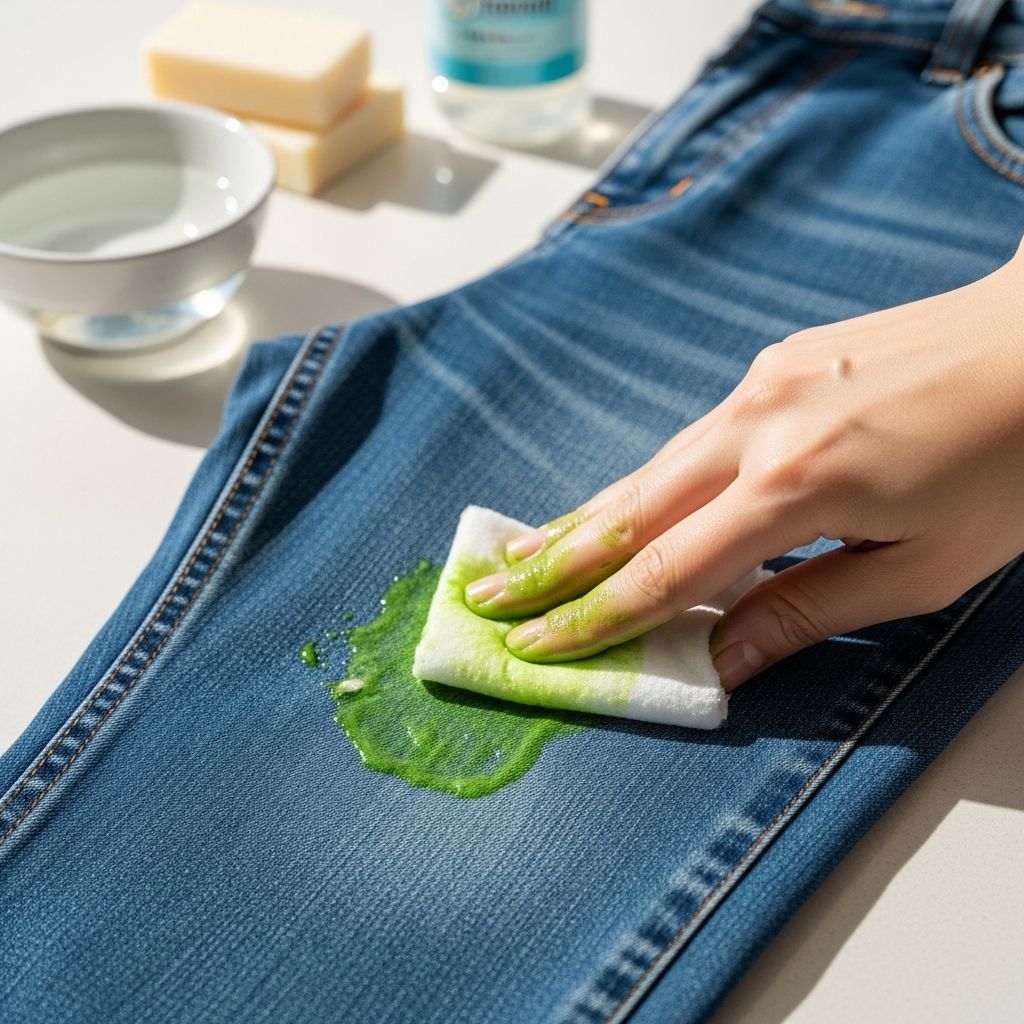
Slime, a favorite among children for its stretchy texture and vibrant colors, often ends up as an unwelcome guest on clothing. Composed mainly of glue, activators like borax, and additives such as glitter or dye, it clings stubbornly to fabrics. Fortunately, simple household remedies can dissolve and lift it away effectively. This guide outlines comprehensive strategies to handle slime mishaps, ensuring clothes return to pristine condition without harsh chemicals.
Understanding Slime’s Composition and Challenges
Homemade or store-bought slime typically features polyvinyl acetate glue as its base, combined with a cross-linking agent to achieve that signature gooey consistency. Glitter, food coloring, or foam beads add flair but complicate removal by embedding into fibers. The polymer structure makes it adhesive, especially when wet, but it hardens when dry, creating crusty residues. Acting swiftly prevents permanent bonding, as heat or agitation can worsen penetration into cotton, polyester, or blends common in kids’ wear.
Fresh slime responds best to immediate intervention, while dried varieties require rehydration before treatment. Always prioritize cold water to avoid setting the stain, a principle backed by textile care experts who note heat’s role in protein denaturation—similar to how it fixes egg to a pan.
Essential Preparation: Removing Excess Slime
Before any cleaning, eliminate bulk slime to prevent spreading. Use a dull tool like the edge of a spoon, plastic scraper, or old credit card to gently lift globs away from the fabric. Work from the outside in to contain the mess.
- For wet slime: Brush lightly with a soft toothbrush to dislodge clinging bits, then flush with cold running water.
- For heavy buildup: Place the garment in the freezer for 15-20 minutes to firm up the slime, making scraping easier without fabric damage.
This initial step removes up to 80% of the material, simplifying subsequent treatments and reducing stain risk.
Primary Method: Vinegar’s Power Against Slime
Distilled white vinegar stands out as the top choice for slime extraction due to its acetic acid content, which breaks down glue polymers without harming most fabrics. It’s inexpensive, eco-friendly, and readily available.
- Pour undiluted vinegar directly onto the stain, ensuring full saturation.
- Let it soak for 5-15 minutes; the slime will bubble and loosen.
- Gently scrub with a soft brush in circular motions.
- Rinse thoroughly with cold water.
- Repeat if residue persists, then launder normally.
Vinegar not only dissolves slime but also neutralizes odors and fades color stains from dyes. Test on an inconspicuous area for delicates like silk or wool.
Alternative Approach: Baking Soda Paste for Deep Cleaning
When vinegar alone isn’t enough, especially for glitter-infused or oily slimes, a baking soda solution provides abrasive yet gentle lifting power. Sodium bicarbonate absorbs moisture and deodorizes while mildly alkalizing to counteract acidic glue residues.
Quick Paste Recipe:
| Ingredient | Amount |
|---|---|
| Baking Soda | 3 tablespoons |
| Warm Water | Enough to form paste |
- Mix into a thick paste and apply generously to the stain.
- Let sit 20-30 minutes or longer for tough spots.
- Scrub softly, then soak the item in a basin of warm water mixed with 1/2 cup baking soda for 30 minutes.
- Rinse and inspect before washing.
This method excels on cotton and denim, pulling embedded particles to the surface.
Dish Soap for Greasy or Glittery Residues
Liquid dish detergents, formulated to emulsify fats, tackle the oily components in some slimes. Opt for grease-cutting varieties without dyes.
- Dab 2-3 drops directly on the area post-scraping.
- Massage in with fingers or a brush for 1-2 minutes.
- Rinse with cold water and proceed to laundering.
Combine with vinegar for hybrid stains: vinegar first for glue, soap second for shine.
Handling Dried Slime: Revival Techniques
Dried slime forms a shell-like crust. Rehydrate strategically to avoid re-staining.
- Apply ice cubes wrapped in a cloth to the spot until slime hardens further, then scrape.
- Alternatively, dab with cold water using a sponge to soften without soaking the entire garment.
- Follow with vinegar or baking soda as above.
Avoid submerging heavily crusted items initially to prevent color bleeding.
Advanced Solutions for Persistent Stains
For rare failures, escalate cautiously. Isopropyl alcohol (70% concentration) dissolves non-glue slimes but risks fading colors—spot-test mandatory.
- Dampen a cotton ball and blot, never rub.
- Rinse immediately and treat with dish soap.
Enzyme-based laundry pre-treaters mimic natural breakdown processes, ideal for protein-like residues in some formulations.
Fabric-Specific Considerations
| Fabric Type | Recommended Method | Cautions |
|---|---|---|
| Cotton/Polyester | Vinegar or Baking Soda | Full strength safe |
| Denim | Dish Soap Paste | Handles dye well |
| Delicates (Silk, Wool) | Diluted Vinegar | Air dry only |
| Synthetic Blends | Ice + Alcohol (test first) | Avoid heat |
Always check care labels; professional cleaning may suit high-value items.
Critical Mistakes to Sidestep
Common errors amplify damage:
- Hot water: Sets polymers permanently.
- Vigorous rubbing: Drives particles deeper.
- Bleach: Discolors and weakens fibers.
- Dryer heat prematurely: Bakes in remnants.
Opt for air-drying post-wash until verified clean.
Prevention Strategies for Future Play
Minimize incidents with proactive measures:
- Designate play smocks or old tees.
- Supervise slime sessions on washable surfaces.
- Opt for low-glue recipes or edible alternatives like cornstarch-based dough.
- Keep wipes handy for instant spot-cleaning.
Frequently Asked Questions
Can I use these methods on colored clothes?
Yes, vinegar and baking soda are color-safe for most dyes. Always spot-test alcohol.
What if slime gets on carpet or upholstery?
Freeze and scrape, then vacuum; follow with vinegar spray and blot dry.
How long can I wait before treating?
Address fresh stains immediately; dried ones remain treatable if not heat-exposed.
Is store-bought slime harder to remove?
Slightly, due to proprietary additives, but standard methods suffice 95% of the time.
What’s the best tool for scrubbing?
A soft-bristled toothbrush or dedicated stain brush prevents fiber damage.
Laundry Cycle Best Practices Post-Treatment
After treatment, wash in cold water with enzyme detergent on a gentle cycle. Air dry fully, inspecting under natural light. Repeat if faint marks linger—multiple gentle rounds outperform aggressive single attempts. For optimal results, treat within hours of soiling.
These techniques, drawn from practical parental wisdom and cleaning science, restore play-worn clothes efficiently. Consistent application ensures a mess-free routine amid creative chaos.
References
- American Cleaning Institute: Stain Removal Guidelines — American Cleaning Institute. 2024-05-15. https://www.cleaninginstitute.org/cleaning-tips/stain-removal
- Textile Care and Stain Management — International Fabricare Institute. 2023-11-20. https://www.ifi.org/resources/stain-guides/
- Household Cleaning Agents: Vinegar and Baking Soda Efficacy — U.S. Environmental Protection Agency. 2022-08-10. https://www.epa.gov/saferchoice/safer-chemical-ingredients
- Polymer Stain Removal in Textiles — Journal of Surfactants and Detergents (AOCS). 2024-02-01. https://doi.org/10.1002/jsde.12678
- Laundry Best Practices for Children’s Apparel — Consumer Product Safety Commission. 2025-01-05. https://www.cpsc.gov/s3fs-public/LaundrySafety.pdf
Similar Articles








Read full bio of Sneha Tete