Postpartum Yoga: Poses to Skip for Safe Recovery
Discover essential yoga poses to avoid after childbirth to protect your healing body and promote optimal recovery for new mothers.
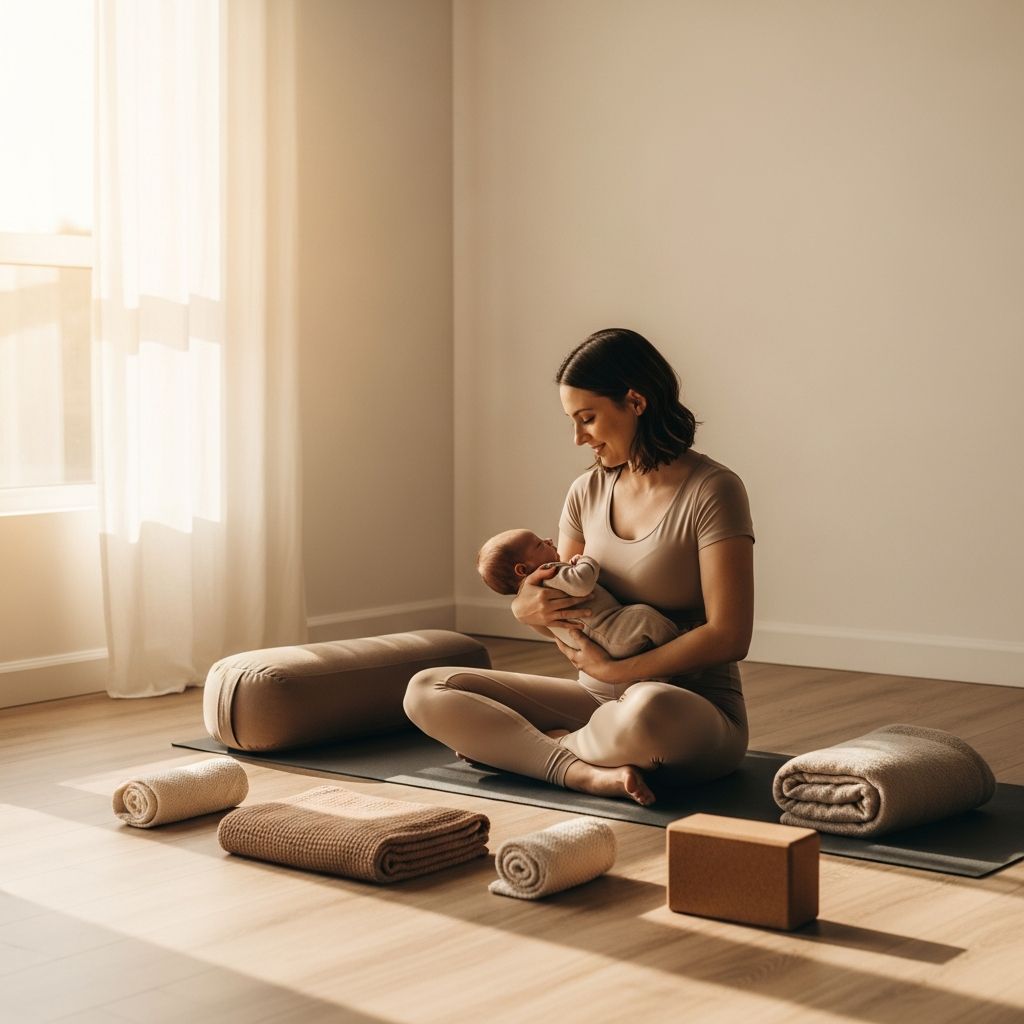
After giving birth, your body undergoes profound changes and requires careful nurturing to heal effectively. Yoga offers a gentle path to regain strength and flexibility, but certain poses can hinder recovery by straining vulnerable areas like the core, pelvic floor, and lower back. This guide outlines key postures to avoid in the early postpartum period, explains the risks, and provides safer alternatives to support your journey back to wellness.
Understanding Your Body’s Postpartum Healing Process
The postpartum phase involves recovery from stretched ligaments, weakened muscles, and potential issues like diastasis recti or pelvic floor dysfunction. Hormones such as relaxin linger, increasing flexibility and injury risk if poses demand extreme ranges of motion. According to the American College of Obstetricians and Gynecologists (ACOG), most women can start light exercise soon after birth if uncomplicated, but always consult your provider first.
Pelvic floor muscles, crucial for bladder control and organ support, may be lax after delivery. Core stability is compromised, especially with abdominal separation affecting up to 60% of new mothers. Prioritizing gentle practices helps rebuild from the inside out, reducing risks of prolapse, incontinence, or back pain.
Critical Yoga Poses to Avoid and Why
Not all yoga is suitable immediately postpartum. High-impact or deep poses can exacerbate healing tissues. Below, we detail poses to sideline, grounded in expert recommendations for new moms.
Deep Backbends: Protect Your Core and Spine
Poses like Camel (Ustrasana), Wheel (Urdhva Dhanurasana), or full Upward-Facing Dog compress the lower back and overstretch the abdominal wall. These can worsen diastasis recti by pulling apart the linea alba—the connective tissue between abs—or irritate C-section scars.
- Risk: Increased abdominal pressure leads to doming or bulging, delaying core reconnection.
- Timeline to Avoid: At least 8-12 weeks or until cleared by a pelvic health specialist.
Inversions: Skip Until Stability Returns
Headstands (Sirsasana), Handstands, or Shoulderstands elevate intra-abdominal pressure, stressing the pelvic floor and potentially raising blood pressure—a concern amid postpartum hormonal shifts.
- Risk: Strain on healing uterus and ovaries; dizziness if dehydrated from breastfeeding.
- Safer Timeline: Post-6-week checkup, starting with partial inversions only.
Intense Core Challenges: No Crunches or Planks Yet
Avoid Boat Pose (Navasana), full Plank (Phalakasana), Side Plank (Vasisthasana), or leg raises. These target superficial abs, ignoring deep stabilizers like the transverse abdominis and pelvic floor, risking prolapse or back damage.
| Pose | Primary Risk | Common Symptom |
|---|---|---|
| Boat Pose | Pelvic floor strain | Heavy feeling in pelvis |
| Full Plank | Abdominal doming | Core bulging |
| Double Leg Raises | Lower back arch | Pain or pressure |
Extreme Twists and Forward Folds: Ease In Gradually
Closed twists or deep folds like Pigeon Pose (Eka Pada Rajakapotasana) torque the spine and abdomen, compressing organs and straining incisions. Pregnancy-altered flexibility from relaxin heightens tear risks.
- Risk: Misalignment exacerbates neck tension from baby-holding.
- Avoid Until: Bleeding stops (4-6 weeks vaginal; 6-8 weeks C-section).
Hot Yoga and High-Intensity Flows: Stay Cool
Bikram or vigorous Vinyasa sessions cause overheating and dehydration, impacting milk supply and causing fatigue.
Sweat excessively? Stop and hydrate—postpartum bodies recover slower.
Safe Modifications and Beginner-Friendly Alternatives
Swap risky poses for restorative options that nurture without strain. Start 10-15 days postpartum for light stretches if uncomplicated.
Gentle Core Rebuilders
- Pelvic Tilts: Lie on back, gently rock pelvis to engage deep abs safely.
- Heel Slides: Strengthen without doming; knees bent, slide one heel out.
- Supported Bridge: Prop hips with block for mild backbend.
Restorative Hip Openers
- Legs Up the Wall (Viparita Karani): Calms nervous system, drains fluids from legs.
- Supported Butterfly: Bolster under knees opens hips gently.
- Cat-Cow on All Fours: Mobilizes spine without deep flexion.
Breathing Practices for Calm Strength
Incorporate pranayama like Alternate Nostril Breathing (Anuloma Viloma) or diaphragmatic breath to reduce stress hormones and support pelvic recovery. Practice 5-10 minutes daily for emotional resilience.
General Safety Guidelines for New Mom Yoga
Listen to your body—pain, heaviness, or bulging means stop. Key rules:
- Consult doctor post-6-week check; physio for pelvic assessment.
- Practice in cool rooms; hydrate extra if nursing.
- Start 4 weeks vaginal, 6+ weeks C-section.
- Use props: blocks, straps, bolsters for support.
- Focus on alignment; avoid overexertion or ignoring discomfort.
Progress slowly: Week 1-4 gentle stretches; Month 2 add strength; Month 3 flows if cleared.
Benefits of Mindful Postpartum Yoga Practice
When done right, yoga rebuilds posture strained from nursing, eases shoulder tension, and boosts mood via endorphins. It fosters body reconnection, combats ‘mom brain’ fog, and aids hormone balance. Studies link it to lower postpartum depression risk through mindfulness.
Common Mistakes New Moms Make in Yoga
- Pushing Too Hard: Leads to injury; set small goals.
- Skipping Warm-Ups: Causes misalignment; always loosen joints first.
- Ignoring Signs: Neck tightness signals core overload—back off.
- No Professional Guidance: Join postnatal classes for tailored cues.
Postpartum Yoga Timeline Table
| Phase | Timeline | Focus | Example Practices |
|---|---|---|---|
| Early Recovery | 0-6 Weeks | Rest, breathwork | Seated meditation, pelvic tilts |
| Rebuild | 6-12 Weeks | Gentle strength | Supported poses, heel slides |
| Strengthen | 3+ Months | Moderate flows | Warrior modifications, planks on knees |
Frequently Asked Questions
When can I start yoga after giving birth?
For uncomplicated vaginal births, light practice after bleeding stops (around 4 weeks); C-sections wait 6+ weeks. Always get medical clearance.
Can postpartum yoga help close diastasis recti?
Yes, gentle activation poses like pelvic tilts aid healing, but avoid crunches. Consult a specialist for assessment.
Is yoga safe while breastfeeding?
Absolutely, if hydrated and not overheated. Breathing techniques enhance milk let-down.
What if a pose causes pain?
Stop immediately. Pain signals overload—modify or rest.
How often should I practice postpartum yoga?
3-5 times weekly, 15-30 minutes. Consistency over intensity.
Building a Sustainable Routine
Create a 20-minute sequence: 5 min breathwork, 10 min gentle poses, 5 min savasana. Track progress in a journal: note energy, any discomfort. Pair with walks for holistic fitness. Over time, you’ll regain pre-pregnancy vitality while embracing your stronger postpartum self.
Empower your recovery with patience—yoga is a lifelong tool, not a race.
References
- Postpartum Yoga: Gentle Poses & Safety Tips for New Moms — My Yoga Teacher. 2023. https://myyogateacher.com/articles/postpartum-yoga
- Postnatal Yoga: Embrace the Benefits and Follow Essential Safety Tips — Thrive Journey. 2023. https://thrivejourney.com/blog/postnatal-yoga-embrace-the-benefits-and-follow-essential-safety-tips/
- Postpartum Yoga: Expert Tips & 7 Poses to Try — One Peloton. 2023. https://www.onepeloton.com/blog/postpartum-yoga
- Postnatal FAQ — Austin Yoga Lounge. 2023. https://www.austinyogalounge.com/postnatal-faq
- Exercise After Pregnancy — American College of Obstetricians and Gynecologists (ACOG). 2023-10-01. https://www.acog.org/womens-health/faqs/exercise-after-pregnancy
Similar Articles







Read full bio of medha deb