Why School Recess Matters: Science-Backed Benefits
Uncover the proven physical, cognitive, and social advantages of recess and why it should never be withheld from students.
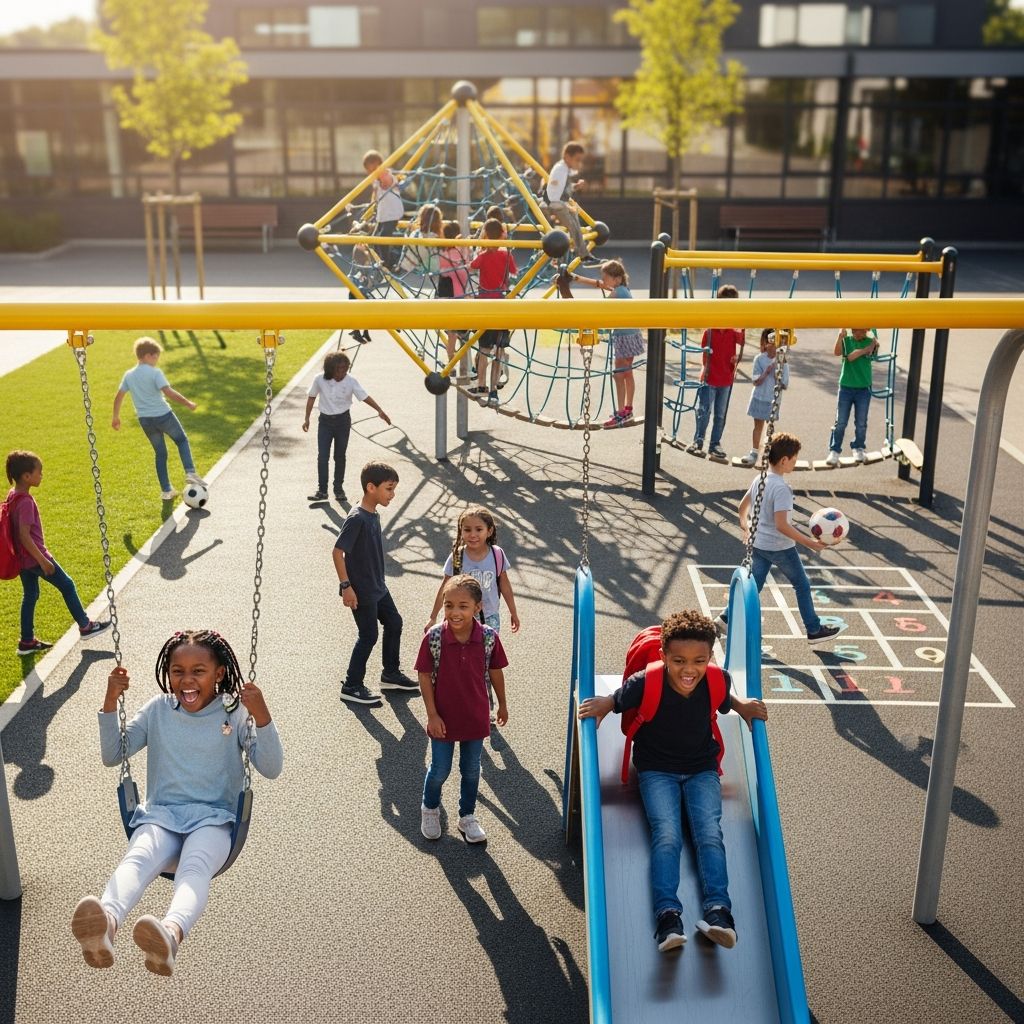
School recess provides unstructured playtime that supports children’s overall growth, yet it faces cuts due to academic pressures. Research confirms recess enhances physical fitness, sharpens focus, builds social bonds, and even aids learning without detracting from class time.
Physical Health Gains from Daily Breaks
Recess stands out as a key chance for kids to move freely, countering declining activity levels amid rising obesity concerns. The Centers for Disease Control and Prevention (CDC) highlight that recess boosts physical activity, aligning with their guideline of at least 60 minutes daily for children.
- One longitudinal study linked 20 minutes of daily recess to healthier body mass indexes (BMIs), with more time correlating to greater reductions in BMI, helping combat childhood obesity.
- Recess reduces sedentary behavior, lowering risks of obesity-related conditions by promoting active play outdoors or in supervised areas.
- Exposure to sunlight during recess supports vitamin D production, vital for bone health and mood regulation in growing kids.
These outcomes emphasize recess as a practical tool for public health in schools, especially since structured physical education alone often falls short of daily needs.
Cognitive and Academic Enhancements
Far from wasting time, recess refreshes young minds, improving attention and performance post-break. Systematic reviews show physical activity during recess neither harms nor boosts direct academic scores but enhances self-regulation and sustained focus, indirectly supporting achievement.
| Recess Duration | Cognitive Impact | Evidence Source |
|---|---|---|
| 20+ minutes daily | Improved attention, memory, on-task behavior | CDC guidelines |
| Combined with PE | Better reading outcomes, narrows achievement gaps | Systematic review |
| Short breaks | Increased neural connectivity, oxygen to brain | Physiological studies |
Breaks interrupt prolonged concentration, preventing fatigue and fostering exploratory play that sparks creativity. Schools with ample recess report higher test scores and engagement, as oxygen-rich blood flow to the brain aids nerve growth and memory.
Social and Emotional Development Through Play
Unstructured recess nurtures vital interpersonal skills absent in classroom settings. Children practice negotiation, sharing, and conflict resolution during free play, building resilience and empathy.
- Studies across elementary to high school levels show recess improves emotional regulation and reduces disruptive classroom behavior.
- Peer interactions teach perseverance, self-control, and cooperation, skills essential for lifelong success.
- For at-risk students, recess equalizes social opportunities, potentially closing socioeconomic gaps in well-being.
The American Academy of Pediatrics (AAP) deems recess essential for social-emotional learning, warning against its use as punishment since it hinders development most in those needing it.
Addressing Common Barriers to Recess
Despite evidence, some educators shorten recess for extra instruction amid testing demands. A 2025 survey revealed varied teacher views on sufficiency, with experts advocating minimum 20-minute daily slots.
Challenges include supervision shortages, weather issues, and misconceptions that recess cuts learning time. Yet data counters this: recess-linked gains in focus offset any instructional loss, and quality environments boost attendance.
Policy gaps persist; not all districts mandate recess, though CDC and AAP urge it for K-12. Solutions involve trained monitors, indoor options, and integrating recess into schedules without punitive withholding.
Real-World Impacts and Equity Concerns
Recess disparities affect low-income or minority students most, who benefit hugely from activity bridging health gaps. High-quality recess—spacious, equipped, inclusive—ties to better attendance and climate.
European studies from Spain and Finland echo U.S. findings, suggesting global applicability. Longitudinal data affirms sustained benefits, like BMI improvements persisting over time.
Implementing Effective Recess Programs
To maximize gains, schools should aim for multiple daily sessions totaling 20-30 minutes, varied activities, and inclusive designs. CDC resources guide enhancements, from equipment to staff training.
- Encourage free choice in play to foster independence and creativity.
- Monitor for safety without over-structuring to preserve benefits.
- Track outcomes like behavior metrics to advocate for recess.
Parents and advocates can push policies, citing AAP’s stance that recess is non-negotiable for development.
Frequently Asked Questions
What is the recommended daily recess time?
Experts like the CDC and AAP recommend at least 20 minutes daily, ideally more across multiple breaks for all grades K-12.
Does recess hurt academic performance?
No; it enhances attention, self-regulation, and even reading scores without reducing overall achievement.
Can recess be used as punishment?
Absolutely not—AAP advises against it, as it deprives essential physical, social, and cognitive benefits.
How does recess help with obesity?
Daily recess promotes activity leading to healthier BMIs and counters sedentary trends.
Is recess beneficial for older students?
Yes, middle and high school studies confirm gains in focus, behavior, and social skills.
Conclusion: Prioritize Recess for Thriving Students
Integrating recess fortifies school days, yielding healthier, happier, higher-achieving kids. Policymakers, teachers, and families must champion it against pressures.
References
- The benefits of school recess: A Systematic Review — Children & Nature Network Research Library. 2021. https://research.childrenandnature.org/research/school-recess-supports-an-array-of-academic-cognitive-behavior-and-emotional-physical-health-and-social-well-being-benefits/
- The Crucial Role of Recess — USDA Agricultural Research Service. 2013-05-01. https://www.ars.usda.gov/plains-area/gfnd/gfhnrc/docs/news-articles/2013/the-crucial-role-of-recess/
- How Important Is Recess? — St. Luke’s Penn Foundation. N/A. https://www.pennfoundation.org/news-events/articles-of-interest/how-important-is-recess/
- How Does Recess Help Students? — CCEI. N/A. https://www.cceionline.com/how-does-recess-help-students/
- Recess | Physical Education and Physical Activity — Centers for Disease Control and Prevention. 2023. https://www.cdc.gov/physical-activity-education/recess/index.html
- Play, Policy, and Potential — Johns Hopkins Bloomberg American Health Initiative. N/A. https://americanhealth.jhu.edu/recess-in-schools
Similar Articles








Read full bio of medha deb