Recognizing Seizure Signs in Newborns and Infants
Learn to identify subtle seizure symptoms in babies, understand causes, diagnosis methods, and urgent response steps for timely care.
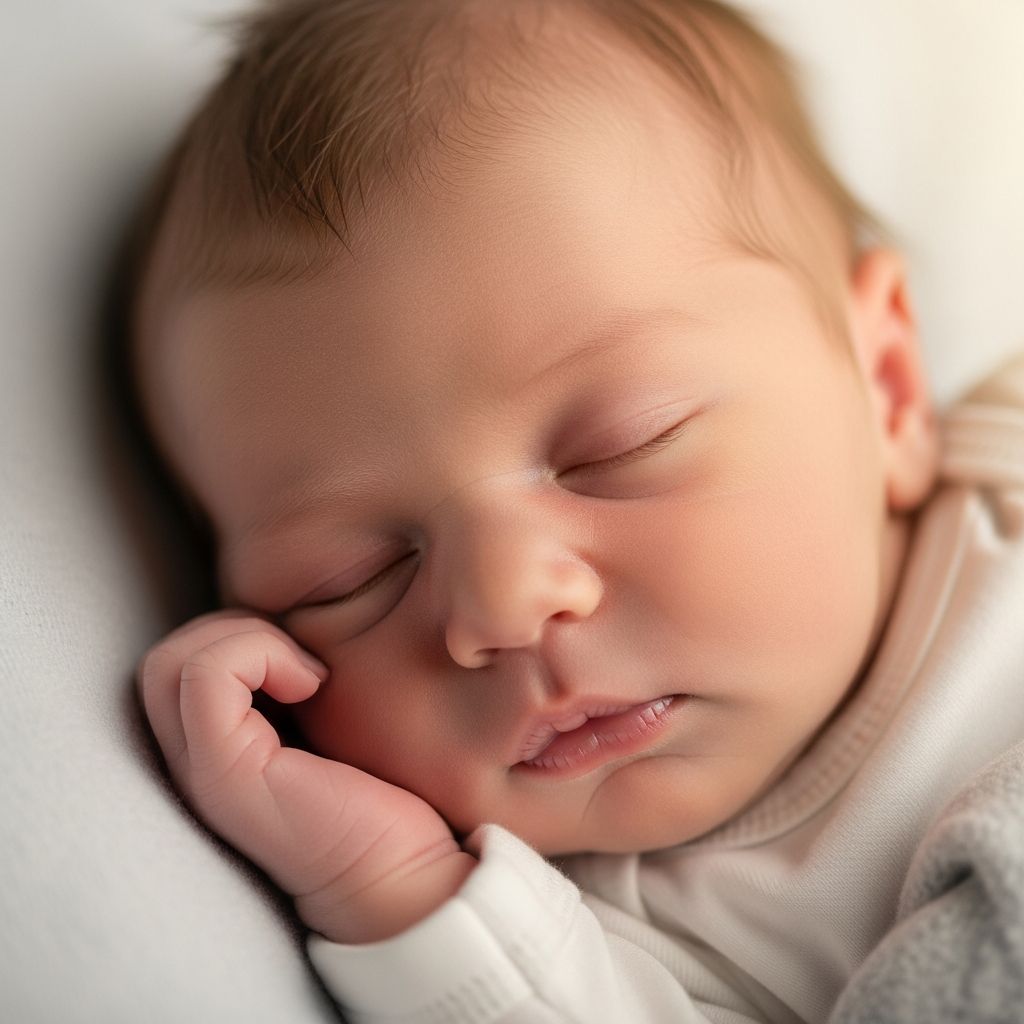
Seizures in newborns and infants represent sudden, uncontrolled electrical disturbances in the developing brain, often manifesting in ways that mimic everyday baby movements. Early identification is critical, as untreated episodes can impair neurological growth and lead to long-term developmental challenges. Parents and caregivers must learn to distinguish these from benign reflexes to seek immediate medical evaluation.
Why Seizures Occur in Young Babies
The immature brain of a newborn is particularly vulnerable to disruptions that trigger seizures. Common triggers include metabolic imbalances like low blood sugar or calcium levels, infections affecting the central nervous system, birth-related oxygen deprivation, and structural brain anomalies. Premature infants face heightened risks due to brain hemorrhages or low birth weight complications.
In full-term babies, subtle electrical storms may arise from genetic factors or undetected injuries during delivery. Febrile seizures, linked to high fevers often from infections, typically emerge after the neonatal phase, peaking before 18 months. Regardless of origin, these events demand swift intervention to safeguard brain function.
Common Types of Seizures and Their Indicators
Baby seizures vary by type, each with distinct physical cues. Understanding these helps in prompt recognition amid the subtlety often seen in this age group.
Subtle Seizures: The Most Elusive
Prevalent in full-term newborns, these involve minimal motor activity but clear autonomic changes. Watch for:
- Roving or fluttering eyes, sustained staring, or sudden eye deviations.
- Repetitive oral actions like tongue protrusion, lip smacking, or chewing motions.
- Irregular breathing patterns, including prolonged pauses (apnea).
- Pedaling leg movements or mild thrashing unrelated to discomfort.
These can last seconds and recur, often overlooked as feeding reflexes.
Tonic Seizures: Sudden Stiffening
Frequently occurring during sleep, tonic events feature muscle rigidity lasting under 20 seconds. Indicators include:
- Whole-body or localized stiffening.
- Head or eye deviation to one side.
- Arm or leg extension in fixed positions.
Such postures differ from startle responses by their persistence and lack of provocation.
Clonic and Myoclonic Jerks: Rhythmic Movements
Clonic seizures show rhythmic limb jerking, often one-sided, while myoclonic types involve quick, shock-like twitches affecting arms, legs, or the entire body. Preemies experience myoclonic events more often, which may signal significant injury if widespread.
Clusters of these jerks, especially upon waking, warrant attention.
Infantile Spasms: Cluster Patterns
Emerging in the first year, these brief (1-2 second) contractions often cluster over minutes. Signs feature:
- Sudden arm flinging with knee flexion or body arching.
- Head nodding with eye rolling.
- Occurrence in series, commonly at sleep transitions.
Resembling hiccups, they demand urgent specialist review due to epilepsy links.
Differentiating Seizures from Normal Baby Behaviors
Newborns exhibit reflexes that closely resemble seizures, causing parental confusion. Key distinctions:
| Seizure Sign | Normal Reflex | Difference |
|---|---|---|
| Persistent eye rolling or staring | Moro (startle) reflex | Reflexes resolve quickly with comfort; seizures recur unprovoked |
| Rhythmic jerking | Benign myoclonus | Seizures rhythmic and stoppable only by meds; normal jerks sporadic |
| Prolonged apnea | Periodic breathing | Seizure pauses exceed 10 seconds with color change |
| Cluster spasms | Colic or gas | Spasms stereotyped and brief, not cry-associated |
Video recording episodes aids professionals in accurate assessment.
Risk Factors and Underlying Causes
Several conditions elevate seizure likelihood:
- Perinatal Issues: Hypoxia, trauma, or hemorrhage.
- Infections: Meningitis or encephalitis.
- Metabolic: Electrolyte shifts, hypoglycemia.
- Genetic: Familial neonatal epilepsy with normal EEGs.
- Structural: Malformations detectable via imaging.
Prematurity amplifies all risks, with brain bleeds prominent.
Diagnostic Approaches for Accurate Identification
Clinical observation alone proves insufficient; confirmatory tests are essential. Primary method: electroencephalogram (EEG), monitoring brain waves for abnormalities even in subtle cases.
Supportive diagnostics include:
- Blood/urine analyses for metabolic culprits.
- MRI/CT scans for structural insights.
- Video-EEG for capturing events.
Specialists query seizure triggers, duration, and sleep-wake patterns.
Immediate Response During a Seizure Episode
Stay composed; most self-resolve. Protocols:
- Protect from injury: Clear surroundings, avoid restraining.
- Position on side post-event for airway clearance.
- Time duration; seek emergency care if over 5 minutes, clustered, or breathing-impaired.
- Never insert objects in mouth.
Document for medical review.
Treatment Strategies to Control and Prevent
Acute management uses anticonvulsants like phenobarbital. For spasms, hormones (ACTH) or vigabatrin prove effective.
Chronic care may involve ketogenic diets or surgery for refractory cases. Addressing root causes (e.g., infection treatment) is vital. Early therapy enhances outcomes, preserving cognition.
Long-Term Outlook and Monitoring
Prognosis varies by cause and timeliness. Benign familial types resolve spontaneously, while injury-linked ones risk epilepsy or delays. Regular neuro follow-ups track progress.
Parental education on triggers and meds ensures stability.
Frequently Asked Questions (FAQs)
What should I do if my baby has a seizure lasting over 5 minutes?
Call emergency services immediately, as prolonged events risk brain oxygen deprivation.
Can all baby jerks be seizures?
No, many are normal; EEG confirms pathological ones.
Are seizures common in premature babies?
Yes, due to hemorrhage risks; vigilance is key.
How soon after a seizure should we see a doctor?
Immediately for first occurrences or changes.
Do infantile spasms always indicate severe epilepsy?
They signal West syndrome, treatable if caught early.
References
- Neonatal (Newborn) Seizures — UCSF Benioff Children’s Hospitals. Accessed 2026. https://www.ucsfbenioffchildrens.org/conditions/neonatal-seizures
- Epilepsy in Babies — Epilepsy Society (UK). Accessed 2026. https://www.epilepsy.org.uk/living/parents-and-children/your-childs-epilepsy/epilepsy-in-babies
- Early Detection of Seizures in Infants Crucial to Brain Development — University of Chicago Medicine. 2023-11. https://www.uchicagomedicine.org/forefront/pediatrics-articles/2023/november/early-detection-of-seizures-in-infants-crucial-to-brain-development
- Baby Seizures: Signs, What to Do, Causes, and Treatment — Medical News Today. Accessed 2026. https://www.medicalnewstoday.com/articles/baby-seizure
- Seizures in Children — Cincinnati Children’s Hospital. Accessed 2026. https://www.cincinnatichildrens.org/health/s/seizures
Similar Articles








Read full bio of Sneha Tete