Simplify Diaper Changes: 12 Practical Strategies
Master diaper changes with expert strategies that save time, reduce mess, and keep your baby happy during every swap.
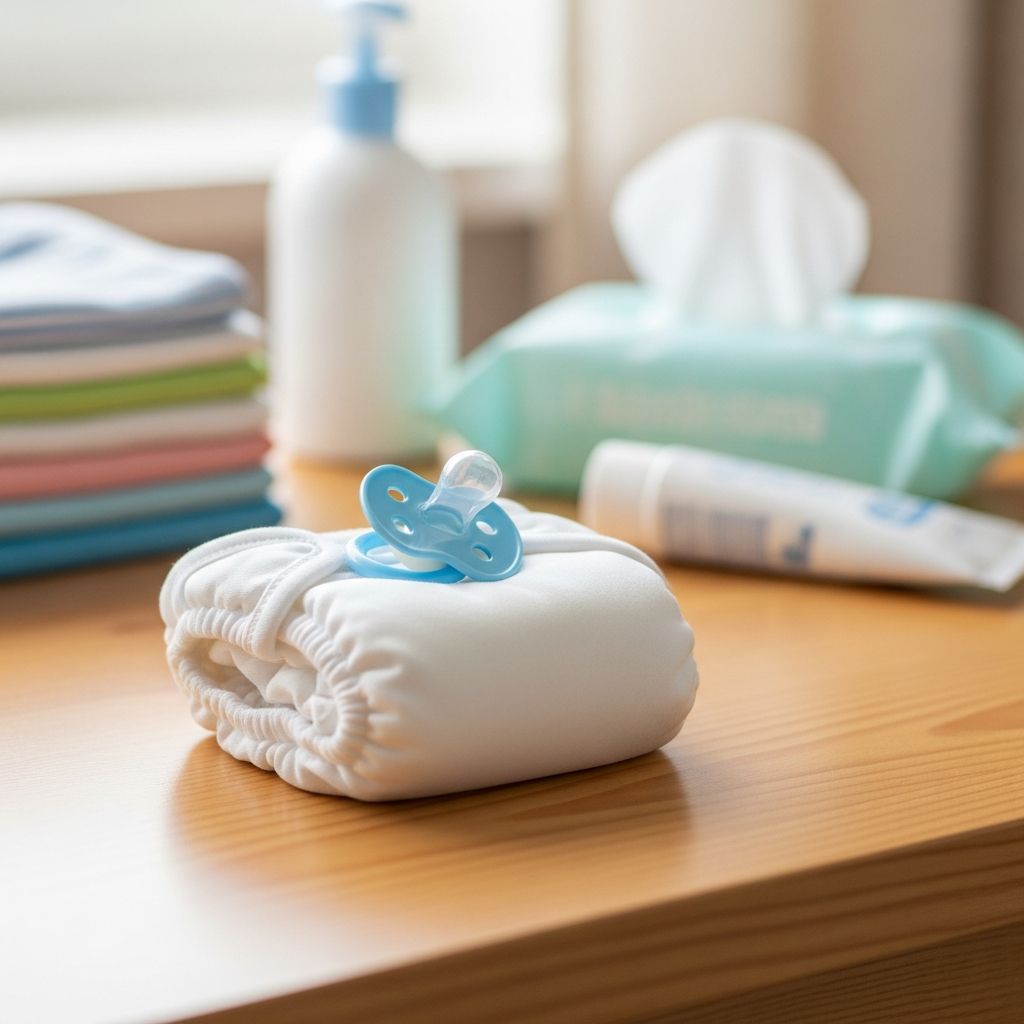
Diaper changes are a frequent part of parenting, with newborns requiring up to 12 per day and toddlers averaging six. Mastering this routine can transform a potentially stressful task into a smooth, even enjoyable experience. This guide offers 12 original strategies drawn from pediatric insights and parent-tested methods to optimize your setup, technique, and baby engagement.
Essential Preparation for Seamless Changes
Success begins with readiness. A well-organized station minimizes disruptions and keeps everything within reach, reducing change time from minutes to seconds.
- Assemble a portable caddy: Stock a basket or rolling cart with diapers, wipes, cream, a spare outfit, and disposal bags. Place duplicates in high-traffic areas like the living room or kitchen for on-the-go access.
- Prep the surface: Use a firm changing pad with safety straps on a stable table at waist height to avoid back strain. For floor safety, opt for a thick towel or mat in a supervised spot.
- Choose clothing wisely: Select zippered onesies or outfits without buttons for quick removal, especially during nighttime changes when speed matters most.
Mastering the Step-by-Step Process
Follow this reliable sequence to ensure hygiene and efficiency every time.
- Gather and position: Lay baby on their back, remove lower clothing, and place a clean diaper under their bottom before unsnapping the soiled one.
- Unveil carefully: Gently pull down the front, keeping the back in place as a barrier.
- Clean front to back: Use fresh wipes for each swipe to prevent infection, patting dry afterward.
- Apply barrier if needed: Spread cream evenly with a brush or fingers for rash prevention.
- Secure snugly: Fasten tabs without over-tightening; aim boys downward to direct urine into the core.
- Dispose smartly: Roll the dirty diaper, secure with tabs, bag it to contain odors, and wash hands.
| Age Group | Key Adjustments | Frequency |
|---|---|---|
| Newborn | Fold top edge down for umbilical stump; use coconut oil for meconium | 8-12/day |
| Infant | Double-diaper trick; pee prevention wipe | 6-8/day |
| Toddler | Pull-ups for standing changes; diaper-free play | 4-6/day |
Newborn-Specific Techniques
Newborns present unique challenges like sensitive skin and unpredictable elimination. These hacks address them directly.
- Umbilical care: Fold the diaper’s waistband inward to keep it dry and promote healing.
- Meconium management: Apply a thin layer of petroleum jelly or coconut oil preemptively; it creates a slick barrier for easy removal of the sticky first stools.
- Wipe warming: Hold wipes in your palm for 10-15 seconds or use a wipe warmer to avoid startle reflex from cold.
- Double-diaper method: Slide the fresh diaper under the dirty one first, eliminating the lift-and-shift step.
For baby boys, pointing the penis downward prevents leaks, while girls benefit from thorough front-to-back cleaning to avoid UTIs.
Preventing Messes and Surprises
Blowouts and sprays are common; proactive steps keep clothes and caregivers clean.
- Pee shield tactic: Before opening, run a cool wipe across the lower belly to trigger any remaining urine into the dirty diaper.
- Blowout barriers: Fold the back waistband down or rely on diapers with built-in pockets to contain upward messes.
- Quick cover: Immediately place a clean diaper or cloth over the genital area post-removal as a shield.
- Odor control: Seal dirty diapers in scented bags before trashing to maintain freshness in the nursery.
Skin Health and Comfort Measures
Rashes affect up to 35% of infants; prevention starts at every change. Clean thoroughly, dry gently, and barrier up.
- Layered protection: Apply diaper cream directly to skin, topped with ointment like Aquaphor for extra moisture block.
- Gentle dabbing: For irritated skin, dab rather than rub with wipes to minimize discomfort.
- Reflux-friendly: Roll baby side-to-side instead of lifting legs to avoid pressure on the tummy.
- Size check: Ensure proper fit per weight charts; snug legs and waist prevent leaks without gaps.
Engaging Wiggly Babies and Toddlers
As babies grow mobile, changes become wrestling matches. Distraction and positivity turn the tide.
- Song and chatter: Sing repetitive tunes or narrate actions in a cheerful voice to soothe and bond.
- Hand occupiers: Offer a toy, teether, or vibrating toothbrush to keep fingers out of the mess.
- Standing swaps: Switch to pull-up style diapers for cooperative toddlers; they pull up like underwear or tear open for changes.
- Reward system: Praise cooperation with claps or a favorite book post-change to build positive associations.
Incorporate diaper-free time daily to air skin and encourage potty awareness.
Advanced Hacks for Efficiency
Elevate your routine with these parent-favorite innovations.
- Foot-pedal pails: Hands-free disposal keeps the process sanitary and swift.
- Sink rinses: For major messes, cleanse tiny bottoms under lukewarm water before wiping.
- Nighttime streamlining: Pre-warm lotions and keep a dim light to preserve sleep cycles.
Common Challenges and Solutions
| Challenge | Solution |
|---|---|
| Constant squirting | Cool wipe trigger + immediate cover |
| Squirmy toddler | Distraction toys + pull-ups |
| Rash persistence | Barrier layers + frequent changes |
| Blowouts | Waistband fold + size check |
Frequently Asked Questions (FAQs)
How often should I change a newborn’s diaper?
Newborns need changes every 1-3 hours or immediately after soiling, totaling 8-12 daily.
What’s the best way to avoid pee sprays?
Swipe a cool wipe on the belly first and cover quickly with a new diaper.
Can I use cloth instead of wipes?
Yes, lukewarm water with a soft cloth works well, especially for sensitive skin.
How do I handle diaper rashes?
Clean gently, apply thick cream layers, and allow air time; consult a doctor if lasting over 3 days.
Are pull-up diapers good for active toddlers?
Absolutely; they enable standing changes and ease potty training transitions.
Building Lasting Habits
Consistency breeds mastery. Track changes in an app to spot patterns, rotate supplies to prevent shortages, and involve partners for shared load. With practice, diaper duty becomes second nature, fostering confidence and connection. Over a baby’s diapering years—nearly 8,000 changes— these strategies save time, sanity, and smiles.
References
- How to Change a Diaper — Taking Cara Babies. 2023. https://www.takingcarababies.com/blogs/newborn/how-to-change-a-diaper
- Easy Diaper Changing Tips — Diaper Genie. 2023. https://diapergenie.com/blogs/tips-and-tricks/easy-diaper-changing-tips
- Diaper changing hacks to save you time and from a blowout — Children’s Mercy. 2022-02. https://www.childrensmercy.org/parent-ish/2022/02/diaper-blowouts/
- Top Diaper Changing Tips for New Parents — Terra Gentle. 2023. https://www.terragentle.com/blogs/terra/top-diaper-changing-tips-for-new-parents
- 4 Diaper Changing Tips for New Parents — Baby Shusher. 2023. https://babyshusher.com/blogs/news/tips-for-dads-keeping-your-little-one-happy-and-clean
Similar Articles







Read full bio of Sneha Tete