Stay-At-Home Dads: 5 Practical Ways To Reduce Depression Risk
Exploring why stay-at-home fathers face higher depression rates, key risk factors, and practical strategies for mental well-being.
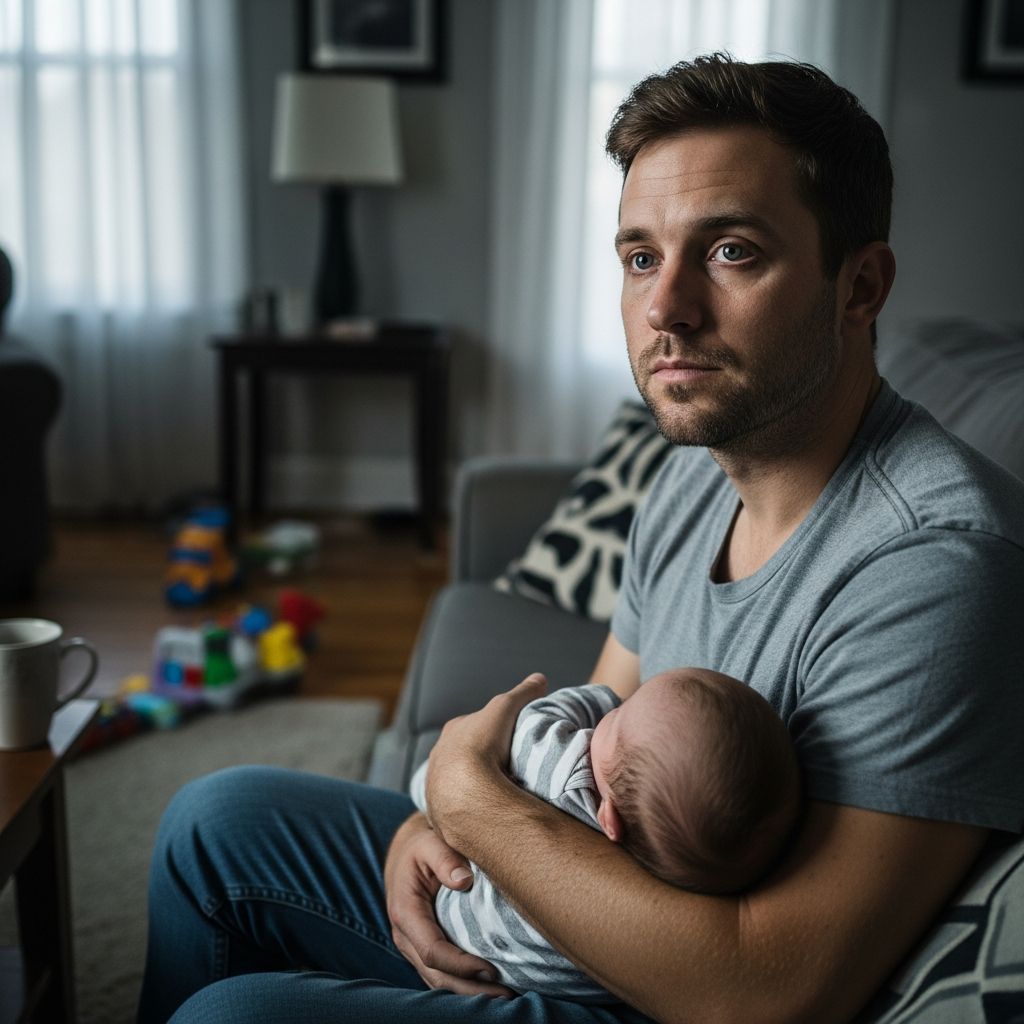
Stay-at-Home Dads and Depression Risks
Stay-at-home fathers are increasingly common, yet they face heightened risks of depression due to social isolation, shifting gender roles, and parenting demands. Research indicates that men leaving traditional breadwinner positions report more depressive symptoms than women in similar roles.
The Growing Trend of Fathers at Home
Over recent decades, the number of stay-at-home dads in the U.S. has nearly doubled, rising from 1.1 million in 1989 to 2 million by 2012, according to Pew Research Center data. This shift reflects changing family dynamics, economic factors, and evolving views on parenting roles. By 2016, about 18% of U.S. parents stayed home, a figure likely higher post-pandemic due to job losses and childcare disruptions.
Despite visibility gains—through media portrayals and community networks—these fathers often grapple with unique pressures. Unlike working parents, they manage full-time childcare without the structure of an office or external validation from colleagues.
Understanding Paternal Depression Prevalence
Paternal depression affects around 8-10% of fathers, with rates peaking at 13% between 3-6 months postpartum. For stay-at-home dads, risks are amplified; studies show they exhibit higher depressive symptoms compared to employed fathers or stay-at-home mothers. A survey of men born 1957-1965 linked leaving the workforce for childcare to increased depression in males, but not females.
Overall, up to 25% of first-time fathers may experience perinatal depression, exacerbated by factors like low income, single parenting, or full-time homemaking. Symptoms in men often appear as irritability, anger, or emotional numbness rather than overt sadness.
Key Factors Driving Depression in Stay-at-Home Fathers
Several interconnected elements contribute to mental health struggles for these dads:
- Social Stigma and Prejudice: Media and cultural tropes reinforce the ‘inept father’ stereotype, leading to judgment at parks or playgroups. National At-Home Dad Network members cite this as a top depression trigger.
- Isolation and Loneliness: Limited adult interaction, especially during pandemics with daycare closures, fosters disconnection. Stay-at-home parenting lacks the social outlets of office work.
- Loss of Identity and Financial Dependence: Transitioning from breadwinner to dependent correlates with anxiety and depression, per a 2013 Danish study on male financial reliance.
- Sleep Deprivation and Routine Demands: Constant childcare disrupts rest, heightening irritability and indecisiveness.
- Relationship Dynamics: Decisions to stay home—voluntary or forced—impact mental health; job loss transitions fare worse. Freelance-working dads may feel extra pressure to sustain partnerships.
| Risk Factor | Impact on Dads | Comparison to Moms |
|---|---|---|
| Social Norms Violation | Higher depressive symptoms | Less impact on women |
| Isolation | Amplified by lack of peer networks | Stronger mom support groups |
| Financial Role Shift | Linked to inadequacy feelings | Societally more accepted |
Recognizing Symptoms and Early Warning Signs
Fathers’ depression manifests differently: persistent irritability, withdrawal from family, indecisiveness, sleep changes, or loss of interest in hobbies. Unlike maternal postpartum depression (1 in 8 mothers), paternal cases emphasize restricted emotions. Stay-at-home dads might internalize struggles due to a ‘DIY’ mindset, delaying help-seeking.
UK data shows 3.6% of men depressed in the first fatherhood year, with 1 in 3 concerned about mental health. Pandemic-era dads report worsened lows from unpredictability, though child joy provides resilience.
Strategies to Combat Isolation and Build Support
Proactive steps can mitigate risks:
- Join dad-specific groups like the National At-Home Dad Network for peer validation.
- Schedule regular partner check-ins to affirm role value.
- Incorporate freelance or remote work for identity balance.
- Prioritize sleep hygiene and short daily breaks.
- Seek therapy tailored to paternal mental health.
Building routines with playground visits or online forums counters loneliness. Fathers report that kids’ presence adds purpose, buffering past suicidal ideation.
Role of Partners and Family in Prevention
Spouses play a crucial role by validating the stay-at-home choice and sharing emotional loads. Couples therapy helps navigate financial dependencies. Maternal depression presence raises paternal risk, underscoring mutual screening importance.
Professional Interventions and Treatment Options
Therapy, antidepressants, and cognitive-behavioral techniques prove effective. Early intervention prevents escalation, especially for vulnerable groups like young or single dads. Pediatricians increasingly screen fathers during well-child visits.
Benefits of Stay-at-Home Fatherhood Amid Challenges
Beyond risks, many dads cherish deepened bonds and family flexibility. Pandemic shifts proved home parenting essential for survival in some cases. With support, rewards outweigh struggles.
Frequently Asked Questions
Are stay-at-home dads more depressed than working fathers?
Yes, studies link full-time homemaking to higher depressive symptoms in men compared to employed dads or stay-at-home moms.
What percentage of fathers experience postpartum depression?
About 8-10% overall, rising to 13% at 3-6 months postpartum; stay-at-home dads face elevated risks.
How does societal stigma affect stay-at-home dads?
Prejudice and media stereotypes foster isolation and self-doubt, key depression contributors.
Can therapy help stay-at-home fathers with depression?
Absolutely; targeted therapy addresses role transitions and builds coping skills effectively.
What are common depression signs in dads?
Irritability, emotional numbness, withdrawal, and sleep issues, differing from typical sadness.
References
- Why So Many Stay-at-Home Dads Are Depressed — VICE. 2023. https://www.vice.com/en/article/why-so-many-stay-at-home-dads-are-depressed/
- How My Clinical Depression Has Evolved Since Becoming a Dad — Bezzy Depression. 2023. https://www.bezzydepression.com/discover/dep-relationships/health-how-my-depression-has-evolved-since-becoming-a-stay-at-home-dad/
- Stay-At-Home Dads More Likely To Be Depressed, Study Says — Fatherly. 2023. https://www.fatherly.com/health/stay-at-home-dad-depression
- Paternal depression: “The silent pandemic” — PMC (National Library of Medicine). 2022-11-22. https://pmc.ncbi.nlm.nih.gov/articles/PMC9678161/
- Stay-at-Home Dads: Statistics, Challenges, and Benefits — Healthline. 2023. https://www.healthline.com/health/parenting/stay-at-home-dad
- Paternal Perinatal Depression in Modern-Day Fatherhood — American Academy of Pediatrics. 2022. https://publications.aap.org/pediatricsinreview/article/43/10/539/189517/Paternal-Perinatal-Depression-in-Modern-Day
- Why protecting fathers’ mental health is so important — American Heart Association. 2024-06-13. https://www.heart.org/en/news/2024/06/13/why-protecting-fathers-mental-health-is-so-important
Similar Articles








Read full bio of medha deb