Stay-At-Home Mom Depression: 5 Practical Recovery Strategies
Understanding the hidden struggles of stay-at-home moms and practical steps to overcome depression and reclaim joy in motherhood.
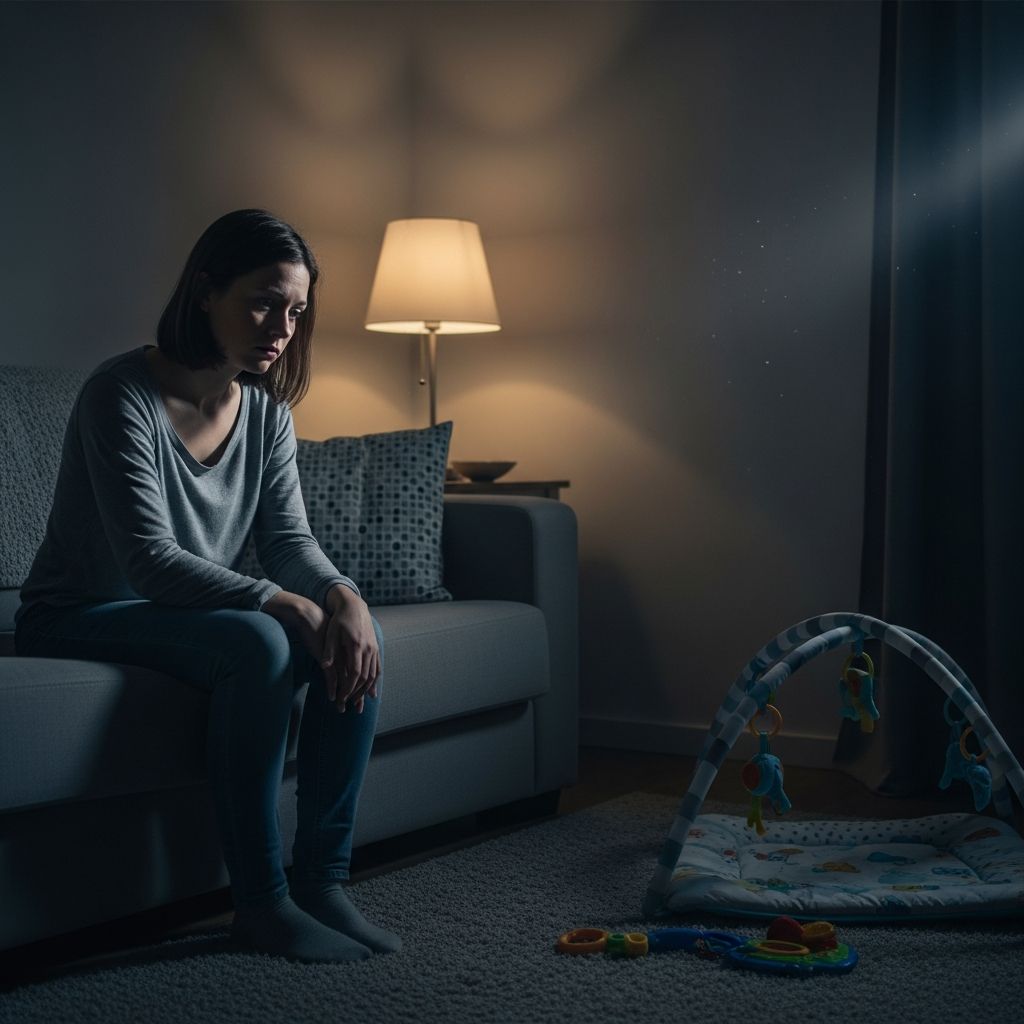
Stay-at-Home Mom Depression: Navigating the Silent Struggle
Being a stay-at-home mom offers irreplaceable moments with children, yet it often comes with profound emotional challenges. Research consistently shows that non-employed mothers with young children at home experience elevated levels of sadness, anger, and depression compared to their working counterparts. This article delves into the realities, risk factors, symptoms, and actionable solutions to support mental well-being during this demanding role.
The Emotional Reality for Stay-at-Home Mothers
Daily life as a stay-at-home parent involves relentless caregiving, household management, and personal sacrifices that can erode emotional resilience. A landmark 2012 Gallup analysis of over 60,000 U.S. women aged 18-64 revealed stark disparities: stay-at-home moms were far more likely to report sadness and anger ”a lot of the day yesterday” than employed moms with children at home. They also had higher rates of lifetime depression diagnoses, with 28% affected compared to 17-18% for working moms.
These patterns hold across income levels, though low-income stay-at-home moms (<$36,000 household income) face the steepest challenges. They report lower positive emotions like laughter and enjoyment, higher stress and worry, and are less likely to rate their lives as "thriving." Even stay-at-home moms not seeking employment—presumably by choice—show worse emotional outcomes, suggesting factors beyond finances at play.
Key Statistics on Maternal Mental Health
| Metric | Stay-at-Home Moms | Employed Moms | Employed Women (No Kids at Home) |
|---|---|---|---|
| Depression Diagnosis Rate | 28% | 17-18% | 18% |
| Daily Sadness/Anger | Higher | Lower | Similar to Employed Moms |
| Smiled/Laughed a Lot Yesterday | 81% | 86% | 86% |
| Life Rating: Thriving | Lower (esp. low-income) | Higher | Higher |
Data drawn from 2012 Gallup poll of 60,000+ U.S. women. Note: Low-income SAHMs struggle most across all metrics.
Unpacking the Root Causes
Several interconnected factors contribute to heightened depression risk among stay-at-home moms. Chronic stress from nonstop responsibilities—childcare, meals, cleaning, errands—without breaks is a primary driver. Unlike working moms who often have structured adult interactions and income, SAHMs may endure prolonged isolation, fostering loneliness.
- Social Isolation: Limited adult contact beyond family can lead to feelings of disconnection.
- Identity Loss: Stepping away from career or personal pursuits often results in diminished self-worth.
- Financial Strain: Especially for low-income families, dependency heightens anxiety.
- Sleep Deprivation and Overload: Irregular rest exacerbates mood instability.
- Expectations vs. Reality: Societal ideals of blissful motherhood clash with exhaustion, breeding guilt.
Women are already 2-3 times more prone to depression than men, and motherhood amplifies vulnerabilities. Recent studies confirm SAHMs are 2.43 times more likely to experience depression than working moms.
Recognizing the Warning Signs
Depression manifests differently but shares core symptoms per CDC guidelines. Stay-at-home moms may dismiss them as ”normal” parenting fatigue, delaying help.
- Persistent sadness, hopelessness, or emptiness
- Irritability or frequent frustration
- Loss of interest in once-loved activities
- Concentration difficulties
- Appetite/weight changes
- Sleep disturbances (insomnia or oversleeping)
- Chronic fatigue
- Feelings of worthlessness or guilt
- Recurrent thoughts of death or suicide
If five or more persist for two weeks, professional evaluation is crucial. Unlike postpartum depression (onset within a year post-birth), SAHM depression can emerge anytime amid ongoing demands.
Long-Term Impacts on Families
Untreated maternal depression ripples outward. Children of depressed mothers face elevated risks: teens of pre-pregnancy depressed moms are 4.7 times more likely to develop depression; postpartum cases raise it to 7.4 times. A PMC study on U.S. maternal depression highlights sociodemographic patterns worsening functioning and child outcomes.
Fathers as stay-at-home parents aren’t immune; studies show similar depression proneness. SAMHSA resources emphasize early intervention for family behavioral health.
Proven Strategies for Recovery and Prevention
Hope lies in targeted actions. APA research affirms working moms often fare better emotionally, but SAHMs can replicate benefits through structure and support.
Build Daily Structure
- Set a routine with breaks for self-care.
- Incorporate short walks or exercise for endorphins.
Foster Connections
- Join mom groups, online forums, or playdates.
- Schedule coffee chats with friends weekly.
Prioritize Self-Care
- Aim for 7-9 hours sleep; nap when kids do.
- Eat balanced meals; limit caffeine/sugar.
Seek Professional Support
Therapy (CBT effective for depression), medication if needed, or SAMHSA helplines. Low-cost options via community health centers.
Reframe Mindset
Challenge guilt: It’s valid to need help. Track small wins to rebuild identity.
FAQs: Common Questions on SAHM Depression
Is stay-at-home mom depression a real condition?
Yes, though not formally diagnosed as such, it describes depressive experiences more prevalent in SAHMs per Gallup (28% vs. 17% in working moms).
How does it differ from postpartum depression?
Postpartum is time-bound (first year post-birth); SAHM depression can persist or arise later from role strains.
Are stay-at-home dads affected too?
Absolutely—studies show similar depression risks for primary stay-at-home parents regardless of gender.
What if I’m low-income—where to get help?
SAMHSA offers free resources; community clinics provide sliding-scale therapy.
Can returning to work fix it?
Often improves outcomes via structure/income, but therapy addresses roots first.
Empowering Steps Forward
Stay-at-home motherhood’s rewards endure, but mental health is foundational. By acknowledging struggles—backed by Gallup’s findings—and implementing changes, moms can foster resilience. Reach out; recovery transforms families.
References
- Stay-at-Home Moms Report More Depression, Sadness, Anger — Gallup. 2012-05-15. https://news.gallup.com/poll/154685/stay-home-moms-report-depression-sadness-anger.aspx
- Are Stay-At-Home-Parents More Prone to Depression? — Bridge2Balance. Accessed 2026. https://bridge2balance.com/are-stay-at-home-parents-more-prone-to-depression/
- Why Stay-At-Home Moms Feel So Sad — HealthCentral. Accessed 2026. https://www.healthcentral.com/womens-health/stay-at-home-mom-depression
- Stay at home mom depression — Medical News Today. Accessed 2026. https://www.medicalnewstoday.com/articles/stay-at-home-mom-depression
- Stay-at-Home-Mom Depression: Symptoms and Causes — Healthline. Accessed 2026. https://www.healthline.com/health/depression/stay-at-home-mom-depression
- Shedding Light on Stay-At-Home Mom Depression — Neuro Wellness Spa. Accessed 2026. https://neurowellnessspa.com/stay-at-home-mom-depression/
- Home | SAMHSA — SAMHSA (U.S. Dept. of Health and Human Services). Accessed 2026. https://www.samhsa.gov
Similar Articles






Read full bio of Sneha Tete