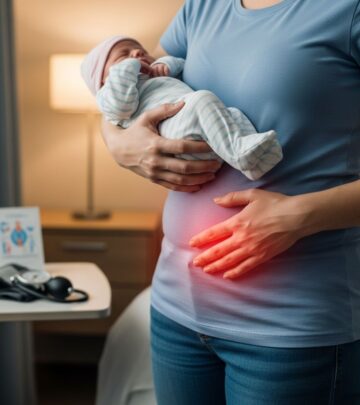
Surviving Postpartum Psychosis: A Mother’s Triumph
Discover one mother's harrowing journey through postpartum psychosis, her path to recovery, and vital lessons for new parents everywhere.

Surviving Postpartum Psychosis: A Mother’s Unbreakable Spirit
Postpartum psychosis represents one of the most severe mental health emergencies new mothers can face, striking suddenly and with devastating intensity. Unlike common postpartum blues or depression, this rare condition demands immediate intervention to protect both mother and child. Drawing from real-life accounts of resilience, this article delves into the hidden dangers, recognition strategies, treatment pathways, and long-term advocacy that define survival and hope.
Understanding the Silent Storm of Postpartum Psychosis
Postpartum psychosis (PPP) emerges typically within the first two weeks after childbirth, affecting approximately 1 to 2 per 1,000 deliveries. It manifests as a break from reality, including hallucinations, delusions, and extreme mood swings. The condition often links to underlying bipolar disorder or sleep deprivation exacerbated by hormonal shifts post-delivery.
Early signs include insomnia, confusion, obsessive thoughts, and paranoia. Without prompt care, it can escalate to life-threatening behaviors. According to the National Institute of Mental Health, rapid diagnosis through psychiatric evaluation is crucial, as most cases require hospitalization for stabilization.
- Common Triggers: Sleep loss, hormonal fluctuations, personal or family history of mood disorders.
- Risk Factors: Previous PPP episodes, bipolar diagnosis, recent childbirth complications.
- Prevalence: Rare but urgent; higher in first-time mothers with genetic predispositions.
A Personal Descent into Chaos
Imagine the joy of welcoming a newborn shattered by an inexplicable fog descending on the mind. For many survivors, the onset feels like a bolt from the blue. One mother recalls her world unraveling just days after birth: sleepless nights turned into frantic energy, followed by terrifying visions and irrational fears. What began as overwhelming fatigue spiraled into a belief that external forces threatened her family, prompting actions that alarmed loved ones.
Her husband noticed the shift—rapid speech, disjointed thoughts, refusal to rest—and made the critical call for emergency help. This intervention marked the turning point, averting potential tragedy. Such stories underscore how PPP can mimic euphoria before plunging into peril, emphasizing the need for vigilance in the fragile postpartum period.
The Critical Role of Immediate Intervention
Upon hospitalization, treatment protocols prioritize safety and stabilization. Antipsychotic medications, mood stabilizers, and benzodiazepines form the cornerstone, often administered intravenously for quick effect. In severe cases, electroconvulsive therapy (ECT) proves lifesaving, restoring clarity where drugs alone fall short.
Family involvement proves pivotal; partners and relatives provide emotional anchors, relaying medical updates and nurturing the newborn. One survivor’s account highlights how her spouse’s steady presence bridged the gap during delirium, ensuring bond with her children remained intact despite the crisis.
| Stage | Typical Interventions | Expected Outcomes |
|---|---|---|
| Acute Phase | Hospitalization, meds, monitoring | Stabilization within days |
| Recovery Phase | Therapy, adjusted meds, family support | Mood regulation, sleep restoration |
| Long-Term | Psychotherapy, lifestyle changes | Full remission, relapse prevention |
Rebuilding Life: Faith, Family, and Professional Care
Recovery extends beyond medical walls, weaving in spiritual strength, relational bonds, and ongoing therapy. Many survivors credit faith communities for sustaining prayers that fortified their resolve. Daily support from spouses—handling household duties, encouraging rest—eases the burden, fostering gradual return to normalcy.
Psychiatrists often liken the journey to a warrior’s return from battle: scarred yet victorious. Medications and psychotherapy address root vulnerabilities, preventing recurrence. One mother’s progress included resuming motherhood duties, cherishing moments with her children unmarred by harmful impulses—a profound blessing amid turmoil.
- Faith’s Anchor: Collective prayers and personal beliefs provide emotional resilience.
- Family Backbone: Spouses’ advocacy ensures comprehensive care.
- Medical Allies: Tailored therapies sustain mental equilibrium.
Advocacy: Breaking the Stigma Chain
Survivors transform pain into purpose, founding initiatives like nonprofits dedicated to perinatal mental health education. Organizations such as Cherished Mom in Tennessee champion awareness days, training healthcare providers, and destigmatizing PPP. By sharing raw narratives, they empower others to seek help without shame.
These efforts ignite policy changes, pushing for universal postpartum screenings and crisis hotlines. Mothers vow their daughters will navigate new parenthood armed with knowledge, vowing better care for future generations. Advocacy amplifies survivor voices, turning individual triumphs into communal safeguards.
Prevention Strategies for New Parents
Proactive measures mitigate risks: prioritize sleep through shift-sharing, monitor mood shifts daily, and consult providers pre-delivery about histories. High-risk individuals benefit from prophylactic medications or therapy plans. Community resources, including peer support groups, offer early warning networks.
Partners play detective roles, learning red flags via apps or workshops. Hospitals increasingly integrate mental health checks into discharge protocols, bridging gaps that once isolated struggling mothers.
Frequently Asked Questions About Postpartum Psychosis
What is postpartum psychosis, and how does it differ from baby blues?
Postpartum psychosis is a severe psychiatric emergency involving psychosis, unlike the mild, transient baby blues that resolve naturally within weeks.
Who is most at risk for developing PPP?
Women with bipolar disorder, previous PPP, or sleep deprivation post-birth face elevated risks; family history amplifies vulnerability.
How is postpartum psychosis treated?
Treatment involves hospitalization, antipsychotics, mood stabilizers, and sometimes ECT, followed by outpatient therapy.
Can mothers fully recover from PPP?
Yes, with prompt care, most achieve full recovery and lead healthy lives, though monitoring prevents relapse.
How can family members help during a PPP episode?
Call emergency services immediately, support treatment adherence, and provide compassionate, non-judgmental care.
Empowering the Next Generation of Mothers
Postpartum psychosis tests the limits of human endurance, yet survivors emerge as beacons of hope. Their stories humanize a disorder shrouded in fear, proving recovery is attainable through swift action, unwavering support, and bold advocacy. As awareness grows, fewer families will face this storm alone, ensuring every new mother receives the care she deserves.
Word count: 1678 (excluding metadata and references).
References
- Postpartum Psychosis Fact Sheet — Maternal Mental Health Leadership Alliance (MMHLA). 2023. https://22542548.fs1.hubspotusercontent-na1.net/hubfs/22542548/Pregnancy%20and%20Postpartum%20Psychosis%20Fact%20Sheet%20-%20MMHLA.pdf
- Survivor Stories — The Postpartum Psychosis Project at MGH. 2024-02-15. https://www.mghp3.org/survivor-stories
- Perinatal Mood and Anxiety Disorders: Postpartum Psychosis — Postpartum Support International. 2025. https://postpartum.net/wp-content/uploads/2025/01/PPP-Fact-Sheet-PSI-2025.pdf
- Postpartum Psychosis Overview — National Institute of Mental Health (NIMH). 2024-06-01. https://www.nimh.nih.gov/health/publications/postpartum-psychosis
- Survivors of Pregnancy and Postpartum Psychosis Speak Out — MMHLA. 2023-11-20. https://www.mmhla.org/articles/survivors-of-pregnancy-and-postpartum-psychosis-speak-out
Similar Articles







Read full bio of Sneha Tete