Toddler Word Imitation: 10-14 Months Milestones
Unlock the magic of your toddler's first words: Essential milestones, activities, and tips for speech development between 10-14 months.
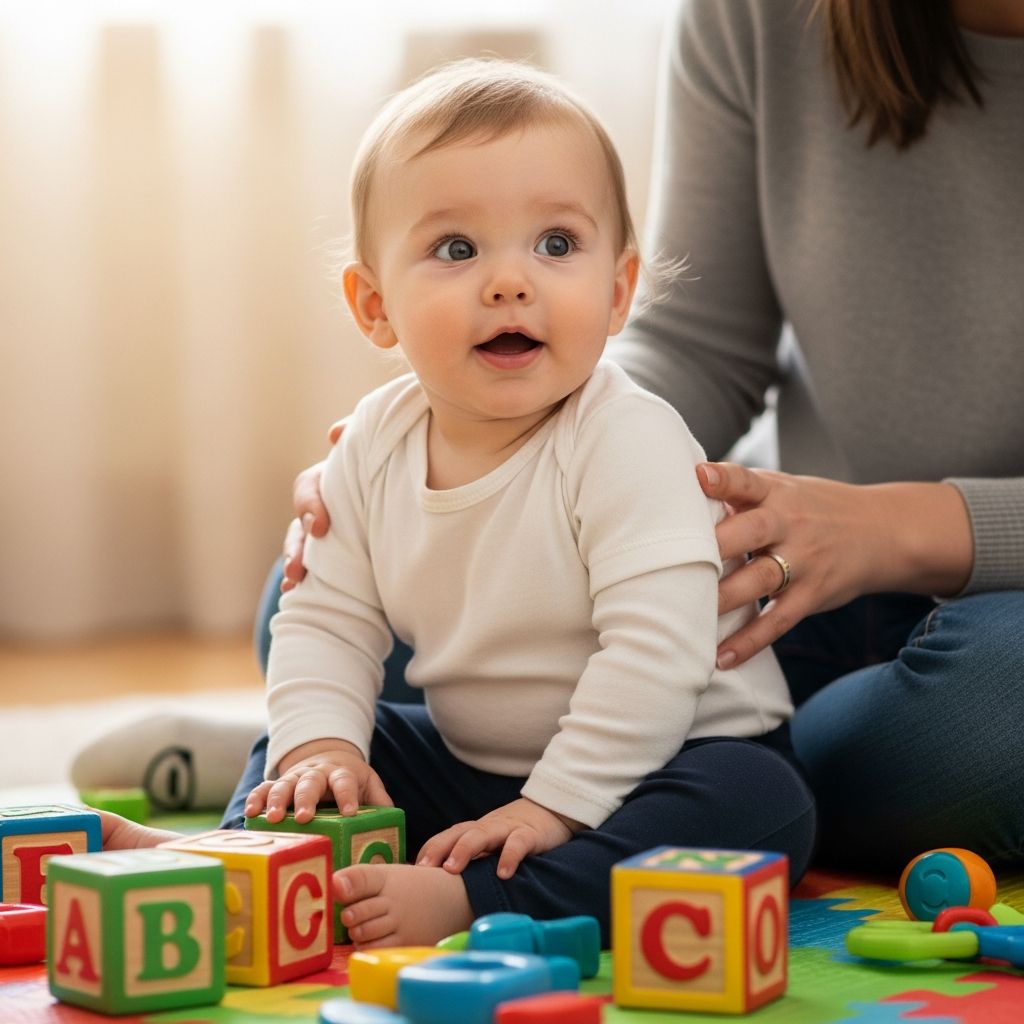
Between 10 and 14 months, toddlers transition from babbling to imitating spoken words, marking a pivotal phase in language acquisition. This period lays the foundation for expressive and receptive communication skills, as children begin mimicking sounds and understanding simple instructions.
Key Language Milestones in the 10-14 Month Window
During these months, infants evolve rapidly in their ability to process and produce language. By 10 months, most babies recognize familiar words like “mama” or “dada,” though full speech emerges closer to 12 months on average. Babbling becomes more sophisticated, incorporating varied consonants and melodic patterns that resemble real speech.
Core milestones include:
- Imitating simple words or approximations, such as “ba” for ball or “da” for dog.
- Responding to their name, simple requests, or gestures like waving bye-bye.
- Pointing to objects of interest and combining gestures with vocalizations.
- Understanding 20-50 words, even if not yet spoken.
By 14 months, many toddlers attempt 1-3 words beyond parental names, with some reaching 5-10 by 15 months. Receptive language—comprehending words—often precedes expressive output, so focus on what your child understands rather than just says.
Receptive vs. Expressive Language: What’s Happening?
Receptive language develops first: Toddlers grasp meanings through hearing words paired with actions or objects. At 12-14 months, they may look at a named item (e.g., “Where’s the ball?”), follow one-step directions like “Give me the toy,” or point to 1-2 body parts when asked.
Expressive language follows, with imitation as the bridge. Children copy sounds they hear repeatedly, starting with familiar ones. This imitation strengthens neural pathways for speech production. Expect approximations initially—clear pronunciation comes later.
| Age Range | Receptive Skills | Expressive Skills |
|---|---|---|
| 10-11 Months | Recognizes common words; responds to tone/no. | Babbles with varied sounds; mimics gestures. |
| 12-14 Months | Follows simple directions; understands ~50 words. | Says 1-6 words; imitates familiar terms. |
| Approaching 15 Months | Points to body parts; anticipates routines. | 5-10 words; uses gestures with sounds. |
This table summarizes typical progress, noting individual variation is normal.
Physical and Social Cues Boosting Speech
Language doesn’t develop in isolation. Motor skills like stacking blocks or using utensils correctly support cognitive growth, indirectly aiding speech. Socially, toddlers show affection through hugs, claps for excitement, and pointing to share interests—key for interactive communication.
Temper tantrums may emerge as independence grows, often tied to frustration over limited words. These are normal and signal a need for more language exposure.
Daily Activities to Spark Word Imitation
Consistent, playful interactions accelerate milestones. Integrate these into routines—no extra time needed.
- Narrate Everything: Describe actions during play, meals, and baths: “Now we put the spoon in the bowl.” Repetition builds familiarity.
- Read Aloud Daily: Choose board books with rhymes and pictures. Point to images while naming them; toddlers sustain attention for 2+ minutes with guidance.
- Sing and Rhyme: Action songs like “Wheels on the Bus” or “Head, Shoulders, Knees, and Toes” encourage mimicry of words and movements.
- Play Imitation Games: Model sounds (animal noises, vehicles) and wait for echoes. Use toys correctly to demonstrate: “The car goes vroom!”
- Respond to Gestures: When they point or clap, name the object enthusiastically: “Yes, doggy! Woof woof!” This reinforces cause-effect.
These activities expose children to 20,000+ words daily, per research, fostering rapid vocabulary growth.
Variations in Development: What to Expect
Not all toddlers hit milestones simultaneously. Girls may speak earlier, while boys catch up later; bilingual homes can slightly delay expressive speech but enhance cognition. Track progress over months, not days.
By 15 months, CDC guidelines note most try many new words with parental encouragement. If a child babbles tunefully but rarely imitates, patience is key—first meaningful words average at 12 months.
Red Flags: When to Consult a Professional
Most delays resolve, but early intervention helps. Seek advice if by 14 months your toddler:
- Uses fewer than 3 words.
- Doesn’t follow simple directions or point to objects.
- Shows no interest in communication or play imitation.
- Lacks babbling variety or gestures like waving.
Contact your pediatrician or a speech-language pathologist. Programs like Early Intervention (available via .gov resources) offer free assessments.
Nutrition and Environment for Optimal Speech
A nutrient-rich diet supports brain development: Iron-rich foods (fortified cereals, pureed meats) prevent delays linked to deficiency. Limit screen time; prioritize face-to-face talk.
Create a language-rich home: Avoid background TV, use clear speech, and expand on utterances (Child says “ba,” respond “Ball! Red ball bouncing!”)
Long-Term Benefits of Early Imitation
Strong 10-14 month foundations predict literacy success. Imitators become confident communicators, reducing later behavioral issues from frustration. By 18 months, expect 10-20 words and two-word phrases like “more milk.”
Frequently Asked Questions (FAQs)
At what age should my 10-month-old start imitating words?
Around 10-12 months, babies mimic simple sounds or first words like “mama.” Full imitation ramps up by 14 months.
How can I tell if my toddler understands words without saying them?
They look at named objects, follow directions, or fetch items—signs of receptive mastery.
Is it normal if my 14-month-old only says approximations?
Yes, like “ba” for ball; clarity improves with practice.
What if my toddler isn’t imitating by 14 months?
Monitor and consult a doctor if no gestures or pointing occur.
Do bilingual toddlers hit milestones later?
Slightly, but overall development matches monolingual peers.
References
- 14 month old toddler milestones: Development, growth, speech… — Huckleberry Care. 2023-2024. https://huckleberrycare.com/blog/14-month-old-toddler-milestones-development-growth-speech-language-and-more
- Speech and language development (from 12 to 24 months) — Great Ormond Street Hospital (NHS). 2024-02-09. https://www.gosh.nhs.uk/conditions-and-treatments/procedures-and-treatments/speech-and-language-development-12-24-months/
- Age-Appropriate Speech and Language Milestones — Children’s Hospital of Philadelphia (CHOP). 2023. https://www.chop.edu/health-resources/age-appropriate-speech-and-language-milestones
- Baby Speech Development at 10 Months — Mercy Health. 2023. https://www.mercy.net/service/childrens-primary-care/speech-development-10-months/
- Infant development: Milestones from 10 to 12 months — Mayo Clinic. 2024-10-15. https://www.mayoclinic.org/healthy-lifestyle/infant-and-toddler-health/in-depth/infant-development/art-20047380
- Communication Milestones: Birth to 1 Year — American Speech-Language-Hearing Association (ASHA). 2023. https://www.asha.org/public/developmental-milestones/communication-milestones-birth-to-1-year/
- Developmental Milestones: 12 to 18 Months — Nationwide Children’s Hospital. 2024. https://www.nationwidechildrens.org/family-resources-education/health-wellness-and-safety-resources/helping-hands/developmental-milestones-12-to-18-months
- Milestones by 15 Months — Centers for Disease Control and Prevention (CDC). 2025-01-15. https://www.cdc.gov/act-early/milestones/15-months.html
Similar Articles







Read full bio of Sneha Tete