The 2 Earliest Signs of Pregnancy (That Many Women Notice First)
How to recognize the earliest clues your body gives you that you might be pregnant.
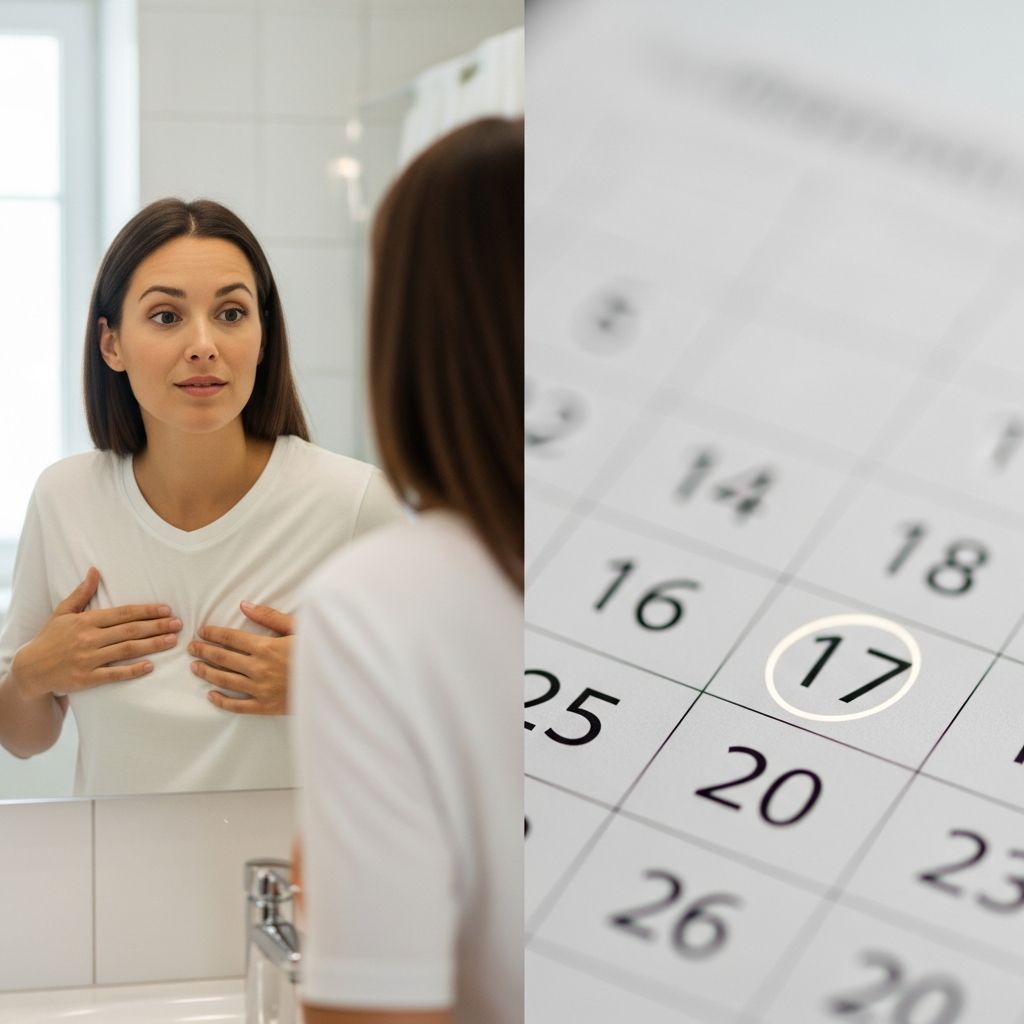
The 2 Earliest Signs of Pregnancy Many Women Notice First
For many women, pregnancy does not begin with a dramatic missed period but with subtle, easy-to-overlook changes in their bodies. These early clues can appear days before a positive test, and understanding them can help you decide when it is time to test and talk to your healthcare provider.
This article explains two very early signs of pregnancy that many women report noticing first, how they feel, how soon they can appear, and how they differ from regular premenstrual symptoms. It also covers other common early pregnancy symptoms, when to take a test, and answers to frequently asked questions.
What Counts as an “Early” Sign of Pregnancy?
In everyday conversation, an early sign of pregnancy is any physical or emotional change that appears between implantation and the time you would normally expect your next period. In many cases, this window is roughly one to two weeks after conception and a few days before a missed period.
- Implantation and early hormonal changes can cause symptoms before you ever miss a period.
- Early pregnancy hormones such as human chorionic gonadotropin (hCG), estrogen, and progesterone can affect your mood, sleep, appetite, and energy levels.
Because many of these changes overlap with premenstrual syndrome (PMS), no single symptom can prove you are pregnant. A home pregnancy test and confirmation with a health professional are always needed for a firm answer.
Early Sign #1: Light Spotting or Implantation-Like Bleeding
One of the earliest signs some women notice is a small amount of light spotting around the time their period should start or slightly earlier. This is often described as implantation-like bleeding, because it can occur when the fertilized egg attaches to the lining of the uterus.
How Implantation-Like Spotting Looks and Feels
- Color: Often light pink or brown rather than bright red.
- Amount: Usually very light—just a few spots on toilet paper or a panty liner, not enough to fill a pad or tampon.
- Duration: Typically a few hours to one or two days, then stops on its own.
- Sensation: May or may not be accompanied by mild cramps that feel different from normal period cramps.
Some women never notice spotting at all, while others observe it as the very first hint that something is different this month. The absence of spotting does not mean you are not pregnant, and the presence of spotting does not guarantee that you are.
Spotting vs. a Normal Period
| Feature | Implantation-Like Spotting | Typical Menstrual Period |
|---|---|---|
| Color | Pale pink or brown, may be streaky | Red, sometimes darker or with clots |
| Flow | Very light, not enough to soak a pad | Moderate to heavy at times |
| Duration | Hours to 1–2 days | 3–7 days on average |
| Cramps | May be mild or absent | Often stronger, especially at the start |
Because any bleeding in early pregnancy can be confusing, it is important to monitor the pattern. Heavy bleeding, bright red flow, or severe pain should be evaluated by a healthcare professional as soon as possible.
Early Sign #2: Unusual Fatigue and Sleepiness
Another very early sign many women report is a level of tiredness that feels out of proportion to their usual premenstrual fatigue. This exhaustion can be one of the first noticeable changes, sometimes appearing before a missed period or before any nausea develops.
Why Early Pregnancy Causes Extreme Tiredness
- Rising progesterone has a natural sedative effect, making you feel like napping throughout the day.
- Metabolism increases to support the developing embryo, so your body is using more energy even when you are just sitting still.
- Blood volume begins to expand, which can leave you feeling weak or lightheaded, especially when standing up quickly.
Many women describe this fatigue as a “bone-deep” tiredness. You might fall asleep earlier than usual, struggle to get out of bed, or find that everyday tasks like climbing stairs leave you unusually winded.
Fatigue: Premenstrual vs. Early Pregnancy
| Aspect | PMS Fatigue | Early Pregnancy Fatigue |
|---|---|---|
| Onset | Few days before period | Can start 1–2 weeks after conception |
| Intensity | Mild to moderate, often predictable | Can feel unusually intense or overwhelming |
| Duration | Improves once period starts | May continue after missed period and into first trimester |
If you find yourself needing much more sleep than usual, especially combined with other changes like breast tenderness or nausea, it might be a sign that your body has started supporting a pregnancy.
Other Very Early Pregnancy Symptoms
While spotting and fatigue are two common first signs, many women notice a collection of early symptoms around the same time. None of these alone can confirm pregnancy, but together they can raise your level of suspicion.
- Breast tenderness and swelling: Breasts may feel sore, tingly, heavier, or more sensitive than before your period.
- Increased urination: You may need to urinate more often, especially at night.
- Mild nausea or food aversions: Smells and foods that never bothered you may suddenly make you feel queasy.
- Heightened sense of smell: Everyday odors, perfumes, or cooking scents may seem extra intense.
- Mood swings: You may feel more emotional, tearful, or irritable due to hormonal shifts.
- Bloating and gas: Hormones can slow digestion, leading to a puffy or gassy feeling.
Because all of these symptoms are nonspecific, it is important not to rely on them alone. Stress, illness, changes in routine, and many other factors can mimic early pregnancy.
How Soon After Conception Do Early Signs Appear?
In general, the earliest pregnancy symptoms appear after the embryo implants in the uterine lining and the body begins producing measurable levels of hCG. For many women, this occurs around 6–12 days after conception. Some women notice changes right away, while others feel completely normal until after they miss a period.
- Within 1 week after conception: Most women do not notice major changes yet.
- 1–2 weeks after conception: Fatigue, breast tenderness, and light spotting may appear.
- After a missed period: Nausea, more frequent urination, and stronger symptoms are more likely to develop.
Every pregnancy is unique. Some women feel pregnant very early, and others have almost no symptoms even several weeks in. Both patterns can be completely normal.
When to Take a Pregnancy Test
Even if you notice very early signs, a pregnancy test is the only reliable way to know if you are pregnant at home. Testing too soon can lead to a false negative, even if you are pregnant, because the hormone level may not yet be high enough to detect.
- Best time to test: The day your period is due or after you have missed your period.
- Early testing: Some sensitive tests can detect pregnancy a few days before a missed period, but results may be less reliable.
- Follow-up testing: If you get a negative test but still feel pregnant, wait a few days and test again, or call your healthcare provider.
If there is a chance you might be pregnant and you experience intense pain, heavy bleeding, or dizziness, do not wait for a home test. Seek medical attention promptly.
Listening to Your Body Without Panic
Noticing every twinge and change in your body can feel overwhelming when you are trying to conceive or worried about an unplanned pregnancy. It is natural to analyze symptoms, but it is also important to remember that bodies fluctuate for many reasons.
- Keep a simple symptom journal: Note the dates of spotting, fatigue, and other changes to see patterns over time.
- Track your cycle: Knowing your usual cycle length and PMS patterns makes it easier to notice when something is different.
- Use symptoms as clues, not proof: Let early signs guide you toward a test or a healthcare visit, but do not let them cause panic on their own.
Balancing awareness with calm observation can help you navigate this uncertain window between possible conception and confirmed pregnancy.
Frequently Asked Questions About Early Pregnancy Signs
Can you be pregnant with no early symptoms at all?
Yes. Some women feel completely normal until they are several weeks pregnant or even until the second trimester. The absence of fatigue, spotting, or nausea does not rule out pregnancy, especially if you have missed a period or had unprotected intercourse.
Does every pregnant woman get implantation bleeding?
No. Many pregnant women never notice any spotting at all, and their pregnancies progress normally. Implantation-like spotting is just one possible early sign, not a requirement, and its absence does not mean implantation did not happen.
Are strong cramps in early pregnancy normal?
Mild, period-like cramps can be normal as the uterus begins to change, especially around the time of a missed period. However, severe pain, one-sided pain, or cramping accompanied by heavy bleeding should always be checked by a healthcare provider.
How early can morning sickness start?
Nausea and vomiting often appear a few weeks after conception, commonly around the time you realize your period is late. Some women notice mild nausea earlier, but others never experience classic morning sickness at all.
Do early pregnancy symptoms feel different from PMS?
They can, but there is no universal rule. Some women say pregnancy fatigue feels more intense, and breast tenderness feels different from their usual PMS pattern. Others cannot tell any difference until a missed period or a positive test confirms pregnancy.
When to Call a Healthcare Provider
If you suspect you might be pregnant, a healthcare professional can confirm pregnancy and discuss next steps, whether you were trying to conceive or not. It is especially important to seek medical advice if you have chronic medical conditions, take regular medications, or have a history of complicated pregnancies.
- Call promptly if you experience severe pain, heavy bleeding, fainting, or shoulder pain.
- Schedule an appointment if you get a positive test, or if your period is significantly late and tests remain unclear.
Early prenatal care can help support a healthy pregnancy and give you space to ask questions about symptoms, lifestyle changes, and emotional adjustments in this new chapter.
Key Takeaways About the 2 Earliest Signs
- Light spotting around the time of your expected period may be an early clue, especially if it is shorter, lighter, and different in color than your usual bleeding.
- Unusual, overwhelming fatigue that feels more intense than your regular premenstrual tiredness can also be an early sign of pregnancy.
- Other symptoms—breast tenderness, mild nausea, mood changes, and increased urination—often appear around the same time.
- A home pregnancy test and follow-up with a healthcare provider are the only reliable ways to confirm pregnancy.
Pay attention to your body, use these early signs as helpful clues, and seek professional guidance whenever you feel uncertain or worried about what you are experiencing.
Similar Articles






Read full bio of Sneha Tete