Ulcerative Colitis in Children: A Parent’s Guide
Essential insights for parents on managing ulcerative colitis in kids: symptoms, diagnosis, treatments, and daily life strategies.
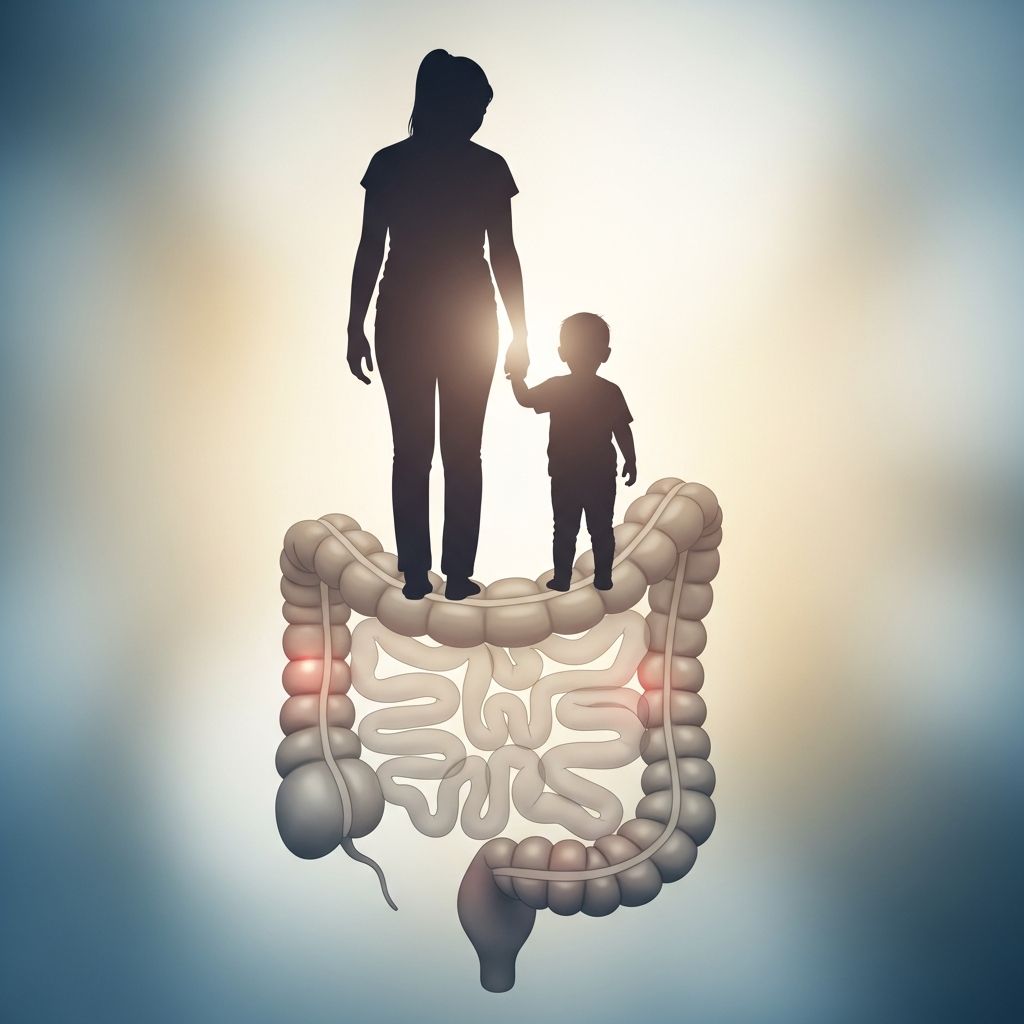
Ulcerative Colitis in Children: What Parents Need to Know
Ulcerative colitis represents a chronic inflammatory condition affecting the colon and rectum in children, leading to discomfort and disrupted daily routines. Parents play a crucial role in recognizing early signs and partnering with healthcare teams for effective management.
Recognizing Early Warning Signs in Your Child
The onset of ulcerative colitis in kids often manifests through gastrointestinal distress that persists beyond typical tummy troubles. Primary indicators include persistent abdominal cramping, especially around the lower belly, accompanied by frequent loose stools.
- **Bloody or Mucous Stools**: A hallmark sign, where blood appears on toilet paper, in the bowl, or mixed with stool, signaling irritation in the intestinal lining.
- **Urgent Bowel Movements**: Children may feel sudden, intense needs to use the bathroom, even after recent visits, leading to accidents or distress at school.
- **Fatigue and Weakness**: Ongoing tiredness stems from nutrient loss and anemia due to chronic bleeding.
- **Unintended Weight Loss**: Reduced appetite and poor nutrient absorption hinder growth, potentially delaying puberty.
- **Fever and Low Energy**: Mild fevers may accompany flare-ups, exacerbating overall lethargy.
Beyond the gut, inflammation can trigger joint aches, skin rashes, or eye irritation, affecting a child’s activity levels and mood.
Understanding the Roots of Colon Inflammation
Although the precise trigger remains elusive, ulcerative colitis arises from an overzealous immune response targeting the colon’s lining. Genetic predispositions increase susceptibility, with family history elevating risks—up to 25% of affected children have relatives with inflammatory bowel diseases.
Environmental factors, such as certain infections, dietary elements, or stressors, may activate this response in vulnerable kids. The immune system misidentifies normal gut bacteria as threats, dispatching inflammatory cells that damage the mucosal layer, forming ulcers and impairing water absorption.
| Risk Factor | Description | Impact on Children |
|---|---|---|
| Genetics | Family members with IBD | Higher incidence; 10-25% familial link |
| Immune Dysfunction | Overreaction to gut flora | Persistent colon inflammation |
| Environmental Triggers | Viruses, bacteria, diet | Initiates flare-ups in predisposed kids |
This interplay explains why symptoms can flare unpredictably, alternating with remission periods.
How Doctors Confirm Ulcerative Colitis
Diagnosis begins with a detailed history of symptoms and physical exams checking for abdominal tenderness or growth delays. Blood tests reveal anemia, inflammation markers, or nutritional deficits[10].
- Stool samples to rule out infections.
- Imaging like X-rays or ultrasounds for colon assessment.
- Colonoscopy: The gold standard, allowing direct visualization and biopsies of inflamed areas.
Endoscopy reveals continuous inflammation from the rectum upward, distinguishing it from Crohn’s disease, which can affect patchy areas anywhere in the digestive tract. Early detection prevents complications like severe dehydration or growth stunting.
Tailored Treatment Strategies for Young Patients
Management aims to quell inflammation, sustain nutrition, and foster normal development. No cure exists short of surgery, but multifaceted approaches control symptoms effectively.
Medications to Calm the Immune Response
Aminosalicylates coat the colon to reduce irritation, while corticosteroids provide rapid flare relief, though not for long-term use due to side effects like weight gain[10]. Immunomodulators and biologics target specific immune pathways, often via infusions for severe cases.
- 5-ASAs (e.g., mesalamine): First-line for mild disease.
- Steroids: Short bursts for acute flares.
- Biologics: Inhibit tumor necrosis factor for resistant inflammation.
Nutritional Support and Lifestyle Adjustments
Dietitians craft plans emphasizing nutrient-dense foods, sometimes using enteral nutrition to promote healing. Hydration combats diarrhea losses, and probiotics may aid gut balance, though evidence varies.
Regular exercise and stress reduction through play or therapy help prevent flares. School accommodations, like bathroom access, ensure participation.
When Surgery Becomes Necessary
In 20-30% of pediatric cases, medications fail, prompting colectomy—removal of the colon with ileostomy or J-pouch creation. This eliminates disease but requires adaptation to new bowel habits. Post-surgery, growth often rebounds impressively.
Navigating Daily Life with Ulcerative Colitis
Families adapt by tracking symptoms in journals, recognizing flare triggers like illness or diet changes. Emotional support is vital; counseling addresses anxiety from unpredictable symptoms.
- Prepare school plans with 504 accommodations.
- Pack emergency kits with wipes, changes, and meds.
- Foster open talks to reduce embarrassment.
Long-term monitoring prevents complications like liver issues or osteoporosis from steroid use. Vaccinations and bone health checks are routine.
Potential Complications and Prevention Tips
Untreated flares risk toxic megacolon or perforation, rare but serious. Extraintestinal issues like arthritis affect 20-30% of kids. Vigilant care minimizes these.
| Complication | Symptoms | Prevention |
|---|---|---|
| Growth Delay | Slow height/weight gain | Nutritional therapy, growth hormone if needed |
| Joint Inflammation | Painful swelling | Anti-inflammatory meds |
| Skin/Eye Issues | Rashes, redness | Targeted topicals |
Supporting Your Child’s Emotional Well-Being
Chronic illness can lead to isolation or depression. Encourage peer connections via IBD support groups. Celebrate small victories, like symptom-free days, to build resilience. Parental self-care prevents burnout.
Frequently Asked Questions About Ulcerative Colitis in Kids
Can ulcerative colitis be cured in children?
Medications control it lifelong, but surgery removing the colon offers a cure, though with lifestyle changes.
Is it safe for kids with UC to play sports?
Yes, with hydration and flare monitoring; contact sports may need caution during active disease.
Does diet cause ulcerative colitis?
No, but certain foods trigger flares; personalized diets help manage symptoms.
How does UC affect school performance?
Fatigue and absences challenge focus, but accommodations and treatment improve outcomes.
What if my child has a family history of IBD?
Increased risk warrants early screening if symptoms appear.
Empowerment through knowledge equips parents to guide their children toward healthier futures despite ulcerative colitis challenges.
References
- Ulcerative Colitis — Nemours KidsHealth. 2023. https://kidshealth.org/en/parents/ulcerative-colitis.html
- Ulcerative Colitis in Children — Nationwide Children’s Hospital. 2024-01-15. https://www.nationwidechildrens.org/conditions/health-library/ulcerative-colitis-in-children
- Ulcerative Colitis — Pediatric IBD Foundation. 2023-06-10. https://pedsibd.org/parents/what-is-pedi-ibd/ulcerative-colitis/
- Ulcerative Colitis in Kids — Children’s Hospital Colorado. 2024. https://www.childrenscolorado.org/conditions-and-advice/conditions-and-symptoms/conditions/ulcerative-colitis/
- Ulcerative Colitis in Children — Children’s Hospital of Philadelphia. 2023-11-20. https://www.chop.edu/conditions-diseases/ulcerative-colitis-in-children
- Ulcerative Colitis – Symptoms and Causes — Mayo Clinic. 2025-09-12. https://www.mayoclinic.org/diseases-conditions/ulcerative-colitis/symptoms-causes/syc-20353326
- Ulcerative Colitis (Pediatric) — UCSF Department of Surgery. 2024. https://colorectalsurgery.ucsf.edu/condition/ulcerative-colitis-pediatric
Similar Articles








Read full bio of Sneha Tete