Ultimate Guide to Baby Falls: Prevention and Response
Empowering parents with essential knowledge on preventing baby falls, recognizing risks, and responding effectively to accidents.
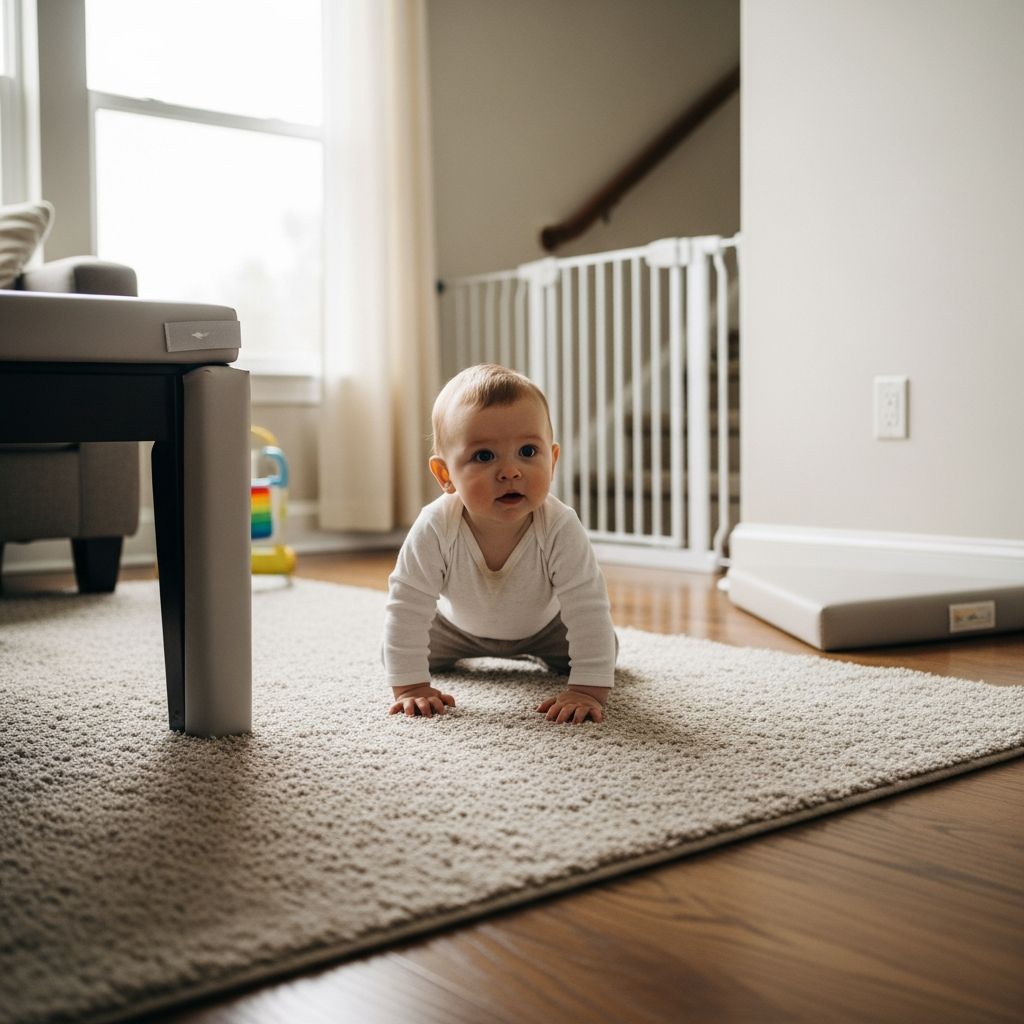
Baby falls are among the most common household accidents for infants, yet most result in minor bumps rather than serious harm. Understanding the physics of falls, recognizing warning signs, and mastering safe handling techniques can dramatically reduce risks and prepare parents for swift action when mishaps occur.
Why Babies Are Prone to Falls and How Gravity Works Against Them
Infants possess disproportionately large heads relative to their bodies, making their center of gravity high and unstable. This anatomical feature, combined with weak neck muscles in the first few months, heightens vulnerability during handling. A fall from even a modest height—like a changing table or caregiver’s arms—can exert significant force on a tiny skull due to the brain’s rapid growth and soft, pliable bones.
Medical experts emphasize that while falls happen frequently, outcomes vary widely based on height, surface, and age. For newborns under three months or drops exceeding three feet, risks escalate because their sutures (skull bone joints) remain open, allowing potential brain movement upon impact.
Mastering Safe Handling: Techniques Every Parent Must Know
Secure cradling forms the foundation of safe baby transport. Always support the head and neck with one hand while the other braces the body. For newborns, position them upright against your chest to leverage your frame as a natural stabilizer.
- Arm Carry: Cup the head in your palm, forearm under the back, legs tucked securely.
- Cradle Hold: Arm extended, baby nestled in elbow crook, head elevated above heart level.
- Football Hold: Ideal for burping; body along forearm, head gripped firmly.
Practice these with a doll before real use. Transition smoothly between holds to avoid sudden shifts that could lead to slips.
High-Risk Zones in the Home: Identifying and Securing Them
Beds, couches, and changing stations top the list of fall-prone areas. Never leave a baby unattended on elevated surfaces, even for seconds. Install guardrails on beds and use padded mats beneath changing tables.
| Danger Zone | Common Risk | Prevention Strategy |
|---|---|---|
| Changing Table | 3-4 ft drop height | Keep supplies within arm’s reach; use safety straps |
| Couch/Bed | Slippery surfaces | Never turn away; place baby on floor immediately |
| Bathtubs | Wet, soapy slips | Bathe in sink or with constant two-hand support |
| High Chairs | Strap failures | Double-check harnesses; avoid leaning over |
Banish baby walkers from your home—they delay motor skills and increase fall risks, as confirmed by developmental studies. Opt for stationary activity centers instead.
Immediate Post-Fall Checklist: What to Assess First
Accidents happen despite precautions. Stay calm and follow this sequence:
- Observe Response: Did the baby cry right away? Immediate crying suggests alertness; silence or delay may indicate brief unconsciousness.
- Inspect for Marks: Check scalp, behind ears (Battle’s sign), and around eyes for bruising signaling fractures.
- Monitor Vitals: Feel for unusual softness on the fontanelle (soft spot), excessive drowsiness, or irregular breathing.
- Test Behavior: Offer a feed—if refused or lethargic, seek help.
Vomiting more than once, seizures, or unequal pupil sizes demand emergency care. For minor incidents, call your pediatrician for guidance.
When to Rush to the ER: Red Flags You Can’t Ignore
Not every bump requires hospitalization, but certain symptoms signal internal issues like bleeding or swelling. Emergency physician Laura Hagopian notes that brain injuries in infants often lack obvious external cues.
- Loss of consciousness, even momentary.
- Persistent crying or unusual irritability.
- Seizures, twitching, or rigid limbs.
- Multiple vomits or bulging soft spot.
- Any fall over 3 feet or involving stairs/objects.
For babies under 3 months, err on caution—head to the ER regardless of symptoms due to elevated vulnerability.
Navigating the Medical Evaluation Process
In the ER, expect detailed questions on fall mechanics, supervision details, and prior incidents to rule out non-accidental trauma—a standard protocol protecting children. Physicians may order CT scans or observations, prioritizing non-invasive checks first.
Andrew J. Bernstein, a pediatric fellow, stresses honesty: precise details aid accurate diagnosis without suspicion. Most evaluations end with reassurance and discharge for low-risk cases.
Psychological Aftermath: Easing Parental Guilt
Falls trigger intense parental anxiety, often amplified by online horror stories. Remember, even seasoned caregivers experience slips—perfection isn’t realistic. Focus on response quality over prevention infallibility.
Studies on attachment show ‘good enough’ parenting—responding adequately half the time—fosters security without over-vigilance. Balance vigilance with allowing safe exploration to build resilience in your child.
Age-Specific Safety Strategies Across Infancy
Newborns (0-3 Months)
Extreme fragility demands floor-level activities only. Swaddling aids stability but unwrap for rolling risks.
Mobile Infants (4-6 Months)
Emerging rolls increase bed/couch dangers. Gate stairs and secure furniture to walls.
Crawlers and Toddlers (7-12 Months)
Speedy movement means constant scanning. Teach ‘no-touch’ boundaries around hazards.
Throughout, reinforce through repetition: safety is a habit, not a reaction.
Building a Fall-Proof Environment: Gear and Habits
Invest in essentials:
- Non-slip mats for all wet areas.
- Corner guards on furniture.
- Baby-proof gates with pressure mounts.
- Video monitors for remote checks.
Daily habits like clear floors and organized spaces prevent chaos-induced drops. Partner with co-parents on consistent protocols.
Lessons from Real Parents: Stories and Takeaways
Many dads recount minor drops leading to teachable moments. One father shared dropping his newborn during a diaper change—prompt ER visit revealed no issues, but it prompted home modifications. These anecdotes underscore: accidents normalize resilience.
Frequently Asked Questions
What if my baby falls off the bed but seems fine?
Monitor for 24-48 hours for delayed symptoms like lethargy or vomiting. Consult your doctor regardless for under-6-month-olds.
How common are baby falls?
Extremely—most parents experience at least one ‘clunk’ per child, per pediatricians.
Can I prevent every fall?
No, but 90% are avoidable with vigilance and setup.
What about falls on carpet vs. tile?
Carpet cushions minor impacts; hard surfaces amplify risks regardless.
Should I wake a sleeping baby post-fall?
Yes, check hourly initially; normal sleep patterns reassure.
Empowering Confident Caregiving Long-Term
Safety evolves with your baby’s mobility. Stay informed via pediatric checkups, adapt environments, and trust your instincts. Most falls become funny family lore, not tragedies, when handled right.
References
- What Doctors Look for After Parents Drop Their Babies — Fatherly. 2023. https://www.fatherly.com/health/what-doctors-look-for-with-dropped-babies
- Science Suggests Parents Are Taking Parenting Too Far — Fatherly. 2023. https://www.fatherly.com/health/science-suggests-parents-are-taking-parenting-too-far
- Why Parenting Advice and Child Rearing Tips Can’t Be Trusted — Fatherly. 2023. https://www.fatherly.com/love-money/parenting-advice-child-rearing-tips-wrong
- Falls in Children Younger than 24 Months: Epidemiology, Outcomes, and Risk Factors — Centers for Disease Control and Prevention (CDC). 2024-01-15. https://www.cdc.gov/injury/features/child-fall-injuries/index.html
- Infant and Toddler Injuries: An Evidence-Based Prevention Approach — American Academy of Pediatrics. 2025-02-01. https://publications.aap.org/pediatrics/article/doi/10.1542/peds.2024-067890/200000/Infant-and-Toddler-Injuries-An-Evidence-Based
Similar Articles








Read full bio of Sneha Tete