Alopecia In Children: What Parents Need To Know
Comprehensive guide for parents on alopecia in kids: causes, signs, treatments, and emotional support strategies.
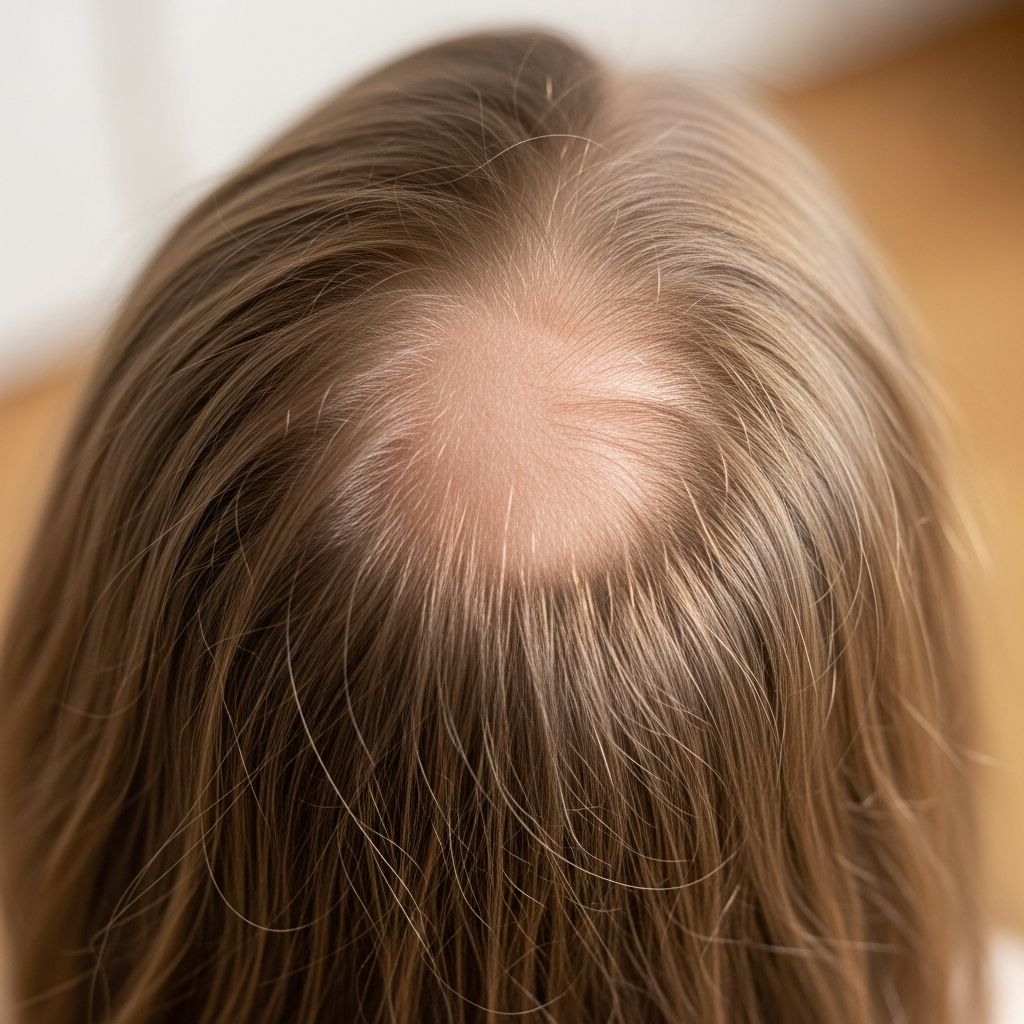
Understanding Alopecia in Children
Alopecia refers to hair loss that can affect the scalp or other body areas, often appearing as patchy bald spots in children due to autoimmune responses where the immune system targets hair follicles. This condition impacts kids of all ages, with varying severity from temporary patches to more extensive loss, but many experience regrowth over time.
Recognizing the Different Forms of Childhood Hair Loss
Hair loss in children manifests in distinct patterns, each with unique characteristics. The most common is
alopecia areata
, featuring smooth, round bald patches typically on the scalp, but possibly on eyebrows, eyelashes, or beard areas in older kids. More severe variants includealopecia totalis
, complete scalp baldness, andalopecia universalis
, total body hair loss.Other types include
androgenetic alopecia
, a gradual thinning linked to genetics and hormones, resembling pattern baldness but rarer in children.Telogen effluvium
causes diffuse shedding after stressors like illness or surgery, usually temporary. Scarring forms, such aslichen planopilaris
orcentral centrifugal cicatricial alopecia
, involve inflammation leading to permanent follicle damage, though less common in young ones.| Type | Description | Affects Children? | Reversible? |
|---|---|---|---|
| Alopecia Areata | Patchy bald spots, autoimmune | Yes, common | Often yes |
| Alopecia Totalis | Full scalp loss | Possible | Variable |
| Alopecia Universalis | Full body loss | Rare | Less likely |
| Androgenetic | Pattern thinning | Rare pre-puberty | No |
| Telogen Effluvium | Diffuse shedding post-stress | Yes | Usually yes |
What Triggers Alopecia in Young Ones?
The primary driver of
alopecia areata
is autoimmunity, where immune cells mistakenly attack healthy hair follicles, halting growth without scarring. Genetic factors play a role; variations in the HLA gene complex increase susceptibility, often alongside family history of autoimmune issues like vitiligo or thyroid disease.Environmental triggers may include viruses, stress, or medications, though exact causes remain under study. Unlike contagious conditions, alopecia areata does not spread person-to-person. For non-autoimmune types, hormones fuel androgenetic alopecia, while physical stressors provoke telogen effluvium.
Spotting Early Signs in Your Child
Initial symptoms often emerge suddenly: coin-sized bald patches on the scalp, smooth and unmarked, without pain or scaling. Some children notice itching, tingling, or burning before loss begins. Nails may show pitting or ridges in about 10-20% of cases.
- Sudden appearance of round bald areas
- No redness, rash, or scarring typically
- Possible exclamation mark hairs (tapered tips)
- Progression to larger patches or total loss in severe cases
Monitor for body-wide involvement or associated symptoms like fatigue if other autoimmune conditions are suspected.
How Specialists Diagnose Pediatric Alopecia
Diagnosis starts with a visual exam by a dermatologist, assessing patch characteristics and family history. A
pull test
checks hair shedding ease, while dermoscopy reveals follicle details. If uncertain, a scalp biopsy confirms autoimmune activity by showing inflammatory cells around follicles.Blood tests screen for thyroid issues, anemia, or allergies, ruling out mimics like fungal infections (via Wood’s lamp or culture). Early diagnosis aids timely intervention, especially for progressive cases.
Treatment Pathways for Kids with Alopecia
Treatments aim to suppress immune attacks and promote regrowth, with options varying by severity and age. No cure exists, but many children regrow hair spontaneously within a year.
Topical and Localized Therapies
**Corticosteroid creams or foams** reduce inflammation in mild patches, applied daily for weeks.
Intralesional steroid injections
(every 4-6 weeks) effectively stimulate regrowth in 60-70% of localized cases, suitable for school-age kids.Systemic Options for Widespread Loss
Oral corticosteroids offer quick but temporary results, used short-term due to side effects like weight gain. For resistant cases,
JAK inhibitors
like baricitinib (FDA-approved for severe alopecia areata) target immune pathways, showing promising regrowth in trials. Other immunosuppressants like methotrexate may be considered.Supportive and Emerging Approaches
- Minoxidil: Topical promoter of growth, safe for children
- Phototherapy: UVB light for diffuse cases
- Anthralin: Irritant cream inducing regrowth via inflammation
Consult specialists for personalized plans, monitoring progress with photos.
Daily Coping Strategies for Families
Beyond medical care, practical steps ease daily life. Gentle hair care avoids traction; use wide-tooth combs and mild shampoos. Sun protection via hats or sunscreen prevents scalp burns on exposed areas.
Explore wigs, hairpieces, or scarves—many insurance plans cover for medical hair loss. Schools can provide accommodations like hats indoors.
Boosting Your Child’s Emotional Resilience
Hair loss affects self-image, especially during school years, potentially leading to anxiety or bullying. Open conversations normalize the condition: “Your hair might grow back, but you’re strong and beautiful either way.”
Join support groups via the National Alopecia Areata Foundation for peer connections. Encourage hobbies building confidence, like sports or arts. Professional counseling helps process emotions if needed.
Navigating School and Social Life
Inform teachers about alopecia to foster understanding and prevent teasing. Educate peers via age-appropriate talks or assemblies. Legal protections under disability laws may apply for accommodations like extended time for appearance-related stress.
Future Directions in Alopecia Research
Ongoing studies focus on genetics and immunology, with JAK inhibitors marking a breakthrough for severe cases. Clinical trials explore biologics and personalized therapies, offering hope for better outcomes in children.
Frequently Asked Questions About Alopecia in Children
Will my child’s hair grow back?
Yes, in many cases, especially mild alopecia areata, hair regrows within months, though recurrences happen in 30-50%.
Is alopecia areata hereditary?
Genetic predisposition exists; 20% of cases have family history, linked to HLA genes.
Can stress cause alopecia in kids?
Stress may trigger episodes in genetically susceptible children, but it’s not the sole cause.
Is treatment safe for young children?
Topicals and injections are generally safe; systemic meds require careful monitoring.
Does alopecia affect overall health?
Usually cosmetic, but links to other autoimmune diseases warrant screening.
References
- Alopecia | Clinical Keywords — Yale Medicine. 2023. https://www.yalemedicine.org/clinical-keywords/alopecia
- Alopecia Areata Overview: Types, Causes, Symptoms, and Treatment — Pfizer. 2024. https://www.pfizer.com/disease-and-conditions/alopecia-areata
- Alopecia Areata: Symptoms, Causes, Treatment & Regrowth — Cleveland Clinic. 2024-01-17. https://my.clevelandclinic.org/health/diseases/12423-alopecia-areata
- Hair Loss (Alopecia) – Symptoms and Causes — Penn Medicine. 2023. https://www.pennmedicine.org/conditions/hair-loss-alopecia
- Hair Disorders and Alopecia — UC Davis Health. 2024. https://health.ucdavis.edu/dermatology/specialties/medical/hair.html
- Hair loss types: Alopecia areata overview — American Academy of Dermatology. 2024. https://www.aad.org/public/diseases/hair-loss/types/alopecia
- Alopecia Areata — National Alopecia Areata Foundation. 2024. https://www.naaf.org/alopecia-areata/
Similar Articles






Read full bio of Sneha Tete