Understanding Chiari Malformation in Children
Learn how Chiari malformation affects a child’s brain, symptoms to watch for, and treatment options that can improve quality of life.
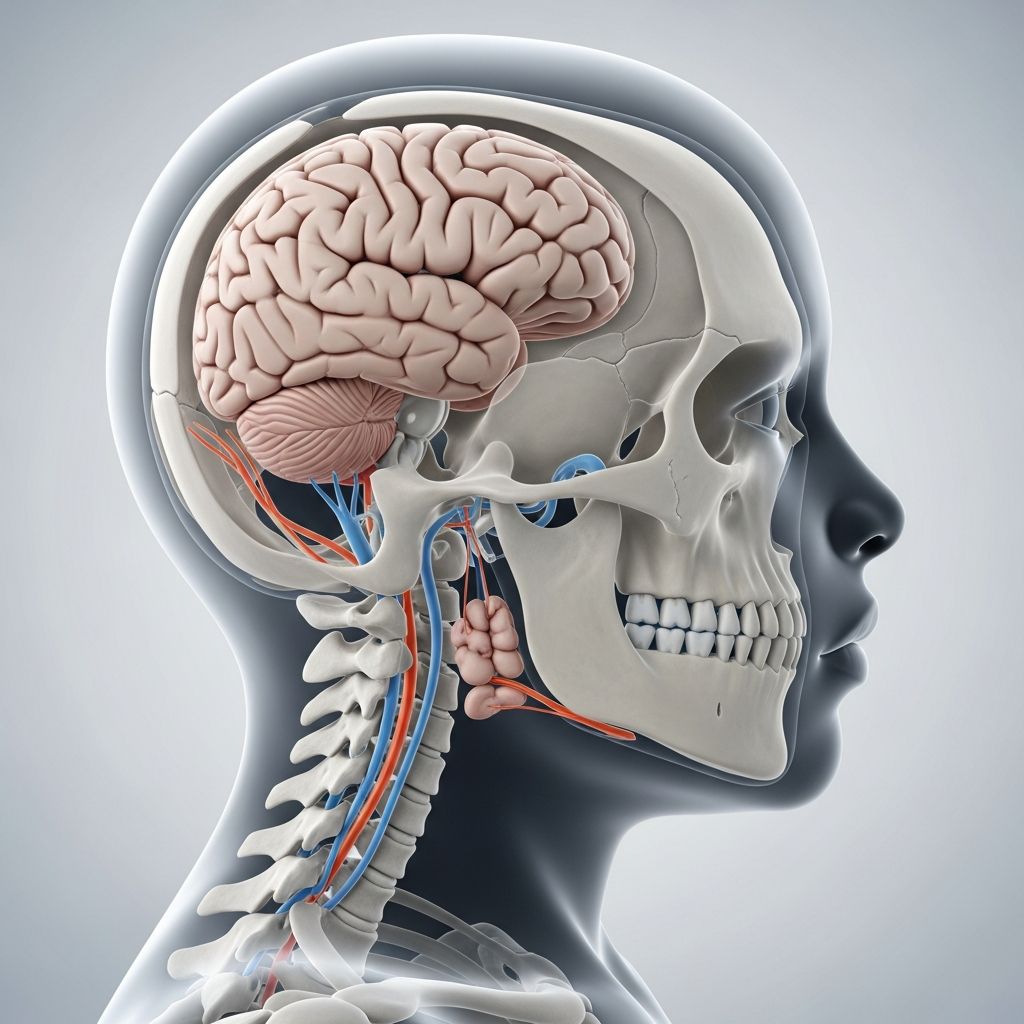
Chiari Malformation in Children: A Complete Guide for Families
Chiari malformation is a structural difference in how the lower part of a child’s brain and skull develop. It can be frightening to hear this diagnosis, but many children live active, healthy lives with careful monitoring and, when needed, treatment.
This guide explains Chiari malformation in plain language so you can better understand your child’s condition and feel more confident talking with the medical team.
What Is Chiari Malformation?
Chiari malformation (sometimes called Arnold–Chiari malformation) is a condition in which tissue from the lower back part of the brain, usually the cerebellum, extends downward into the upper spinal canal. This happens near a natural opening in the skull called the foramen magnum, where the brain and spinal cord meet.
In many children, this space at the back of the skull is slightly too small or shaped differently. Because there is not enough room, part of the cerebellum is pushed down, which can:
- Press on the brainstem or spinal cord
- Disrupt the flow of cerebrospinal fluid (CSF), the fluid that cushions the brain and spinal cord
- Lead to symptoms such as headaches, balance problems, or weakness
Some children have no symptoms and their Chiari malformation is found accidentally during brain imaging for another reason.
Main Types of Chiari Malformation in Children
Doctors describe Chiari malformations by type, based on which brain structures are involved and how severe the displacement is.
| Type | Key Brain Changes | Typical Age at Diagnosis | Common Associations |
|---|---|---|---|
| Type I | Cerebellar tonsils extend below the foramen magnum into the spinal canal. | Older children, teens, or adults; sometimes found incidentally. | Can be associated with syringomyelia (fluid-filled cavity in spinal cord). |
| Type II | Cerebellum and brainstem are pulled down into the spinal canal. | Usually detected in infancy or before birth. | Strongly linked with myelomeningocele (a form of spina bifida) and often hydrocephalus. |
| Type III | Part of the cerebellum and/or brainstem protrudes through a defect in the skull or neck. | Present at birth; very rare. | Often causes severe neurological problems and has a high early mortality rate. |
| Type IV | Underdevelopment of the cerebellum and other brain malformations. | Present at birth; extremely rare. | Most affected babies do not survive infancy. |
In children, Type I is the form most often discovered when a child is evaluated for headaches, neck pain, or other neurological symptoms.
Why Does Chiari Malformation Happen?
Most Chiari malformations in children are thought to arise during fetal development, before birth. In many cases, doctors cannot identify a single cause. However, several factors are known to play a role:
- Small or misshapen skull: The back of the skull (posterior fossa) may be smaller than usual, leaving less room for the cerebellum.
- Abnormal brain development: The cerebellum or other nearby structures may develop differently, changing how they fit inside the skull.
- Spinal defects: In Type II Chiari malformation, myelomeningocele (a severe form of spina bifida) is almost always present.
- Rare acquired causes: Less commonly, Chiari-like changes can develop later due to conditions such as brain tumors or excessive drainage of spinal fluid, changing pressure within the skull.
For most families, nothing during pregnancy or early childhood could have prevented the condition. Researchers are still studying possible genetic contributions.
Symptoms Parents Might Notice
Symptoms vary widely from child to child. Some children have significant brain tissue displacement but very few symptoms, while others have milder imaging findings and more noticeable difficulties.
Common Symptoms in Older Children and Teens
- Headaches, especially at the back of the head and worsened by coughing, sneezing, straining, or bending over
- Neck pain or stiffness
- Dizziness or balance problems, such as unsteady walking
- Weakness in the arms or legs
- Numbness or tingling in the limbs
- Vision changes, including blurred or double vision and sensitivity to light
- Difficulty swallowing, choking, or gagging
- Ringing in the ears (tinnitus) or hearing loss
- Problems with hand coordination, fine motor skills, or clumsiness
- Chronic fatigue or sleep problems, including sleep apnea in some children
Signs in Babies and Young Children
Symptoms in infants can be subtle and may be harder to recognize as Chiari-related.
- Poor head control or low muscle tone
- Feeding difficulties, choking, or vomiting
- Fussiness when the head or neck is moved
- Delays in rolling, sitting, or walking
- Abnormal breathing patterns or pauses in breathing (apnea)
- Rapidly increasing head size if hydrocephalus is present
None of these symptoms automatically means your child has Chiari malformation. However, when symptoms cluster together or are persistent, doctors may consider imaging tests to look at the brain and spinal cord.
Conditions Linked to Chiari Malformation
Some children with Chiari malformation also have other neurologic or structural conditions. The most common include:
- Syringomyelia: A fluid-filled cavity (syrinx) develops inside the spinal cord, which can damage nerve pathways and cause pain, weakness, or loss of sensation.
- Hydrocephalus: A buildup of cerebrospinal fluid in the brain’s ventricles, which can increase pressure and enlarge the head in infants.
- Myelomeningocele: A form of spina bifida where the spinal canal and backbone do not close properly, strongly associated with Type II Chiari.
- Scoliosis: Curvature of the spine, which may be related to spinal cord changes from syringomyelia.
How Doctors Diagnose Chiari Malformation
Diagnosis is usually made by a pediatric neurologist or neurosurgeon after a careful evaluation. Steps often include:
1. Medical History and Physical Examination
- Review of headache patterns, balance issues, school functioning, and development
- Neurological exam to check strength, reflexes, coordination, sensation, and eye movements
- In infants, assessment of head size, muscle tone, and milestones
2. Imaging Tests
The main tool for diagnosis is a magnetic resonance imaging (MRI) scan.
- Brain MRI shows how far the cerebellum extends into the spinal canal and whether there is pressure on the brainstem or blocked CSF flow.
- Spine MRI is often done to check for syringomyelia or spinal defects.
- In some centers, a CSF flow study (cine MRI) may be used to see how fluid moves around the foramen magnum.
Chiari malformation may also be noticed on prenatal ultrasound or fetal MRI, especially in babies with spina bifida.
Treatment Options for Children
Treatment decisions are highly individualized. Doctors consider the type of Chiari malformation, the presence of related conditions, and how much it affects daily life.
Observation and Medical Management
If your child has few or no symptoms, or if symptoms are mild, the neurosurgical team may recommend careful monitoring rather than immediate surgery.
- Regular neurological exams and MRI scans as needed
- Pain management for headaches and neck pain, often using standard headache treatments
- Physical therapy for balance, posture, and strength issues
- Speech or swallowing therapy if there are mild swallowing difficulties
Many children with Type I Chiari malformation never need surgery and can be followed over time.
When Is Surgery Considered?
Surgery is usually recommended when a child has:
- Progressive or disabling symptoms that affect daily life
- Evidence of spinal cord compression or brainstem compression on MRI
- Syringomyelia or worsening scoliosis related to spinal cord changes
- Hydrocephalus needing treatment
Posterior Fossa Decompression
The most common operation for symptomatic Type I Chiari malformation is called posterior fossa decompression.
Although details vary among hospitals and surgeons, the procedure typically aims to:
- Remove a small section of bone at the back of the skull to create more space
- Sometimes remove or thin part of the first neck vertebra (C1)
- Open or thin the outer covering of the brain (dura) and, in some cases, sew in a patch to enlarge the space for the cerebellum
- Restore more normal CSF flow around the brain and spinal cord
In children with syringomyelia, improving CSF flow often allows the syrinx to shrink over time and can relieve related symptoms.
Treating Associated Conditions
- Hydrocephalus may be treated with a shunt or an endoscopic third ventriculostomy (ETV) to divert excess fluid.
- Myelomeningocele usually requires early surgery after birth (or, in some centers, before birth) to close the spinal defect.
- Scoliosis is managed with observation, bracing, or surgery through a pediatric spine specialist.
Recovery and Long-Term Outlook
After decompression surgery, most children spend several days in the hospital for monitoring and pain control. Recovery times differ, but many return gradually to school and normal activities over a few weeks to months.
According to large pediatric centers, surgery often stabilizes or improves symptoms such as headache, neck pain, and balance problems, especially when nerve damage has not been present for a long time. Some issues, such as long-standing weakness or scoliosis, may not fully reverse and might need additional therapy.
Children with mild Chiari malformation managed without surgery often continue regular activities, with periodic follow-up visits to ensure symptoms are not progressing.
Helping Your Child Live Well With Chiari Malformation
Beyond medical treatment, everyday support at home and school can make a major difference.
At Home
- Track headache patterns, balance issues, or new symptoms in a simple log to share with your doctor.
- Encourage healthy sleep habits, regular meals, and hydration, which can reduce headache triggers.
- Teach your child to avoid activities that sharply increase pressure in the head, such as heavy straining or extreme contact sports, if advised by the neurosurgeon.
- Provide emotional support; acknowledge your child’s pain or fatigue while also reinforcing their strengths and abilities.
At School
- Share a summary of your child’s diagnosis and medical recommendations with teachers and the school nurse.
- Discuss needed accommodations, such as rest breaks, elevator access, extra time between classes, or reduced load for heavy backpacks.
- Monitor for school difficulties related to headaches, fatigue, or missed days, and consider formal learning supports if needed.
Emotional and Social Support
- Connect with reputable patient or parent support organizations recommended by your care team.
- Ask about counseling if your child feels anxious, isolated, or depressed because of chronic symptoms or medical procedures.
- Include your child in age-appropriate discussions about their condition so they can understand and participate in decisions over time.
Frequently Asked Questions (FAQs)
Is Chiari malformation life-threatening?
For most children with Type I Chiari malformation, the condition is not considered life-threatening and can often be monitored or treated effectively. More severe types, especially Type III and IV, can be serious and require intensive medical care.
Will my child definitely need brain surgery?
No. Surgery is usually recommended only when a child has significant or worsening symptoms, spinal cord compression, syringomyelia, or other complications. Many children with Type I Chiari are followed carefully without an operation.
Can Chiari malformation get worse over time?
In some children, symptoms remain stable for many years. Others may develop new or worsening problems, especially during growth spurts. Regular follow-up with a pediatric neurosurgeon or neurologist helps detect changes early.
Will my child have activity restrictions?
Activity recommendations depend on your child’s symptoms and imaging findings. Some children are allowed full participation in sports; others may be advised to avoid contact sports or heavy straining to reduce risk to the brain and spinal cord. Always follow your specialist’s guidance.
Can Chiari malformation be inherited?
Most cases appear to occur sporadically, but there are reports of Chiari malformation in multiple family members, suggesting that genetics may sometimes play a role. If you are concerned, ask your child’s doctor whether genetic counseling is appropriate.
References
- Chiari Malformation — American Association of Neurological Surgeons (AANS). 2023-05-10. https://www.aans.org/patients/conditions-treatments/chiari-malformation/
- Chiari malformation — National Health Service (NHS, UK). 2023-02-15. https://www.nhs.uk/conditions/chiari-malformation/
- Chiari Malformation: What It Is, Symptoms, Types & Treatment — Cleveland Clinic. 2024-01-12. https://my.clevelandclinic.org/health/diseases/6008-chiari-malformation
- What is Arnold Chiari Malformation? — Barrow Neurological Institute. 2022-09-28. https://www.barrowneuro.org/condition/arnold-chiari-malformation/
- Chiari Malformation — University of Iowa Stead Family Children’s Hospital. 2023-06-01. https://uihc.org/childrens/services/chiari-malformation
Similar Articles








Read full bio of medha deb