Clubfoot In Babies: 5 Key Treatment Stages Parents Should Know
A parent's guide to clubfoot: causes, treatment, and long-term outcomes.
What Is Clubfoot and How Does It Affect a Child?
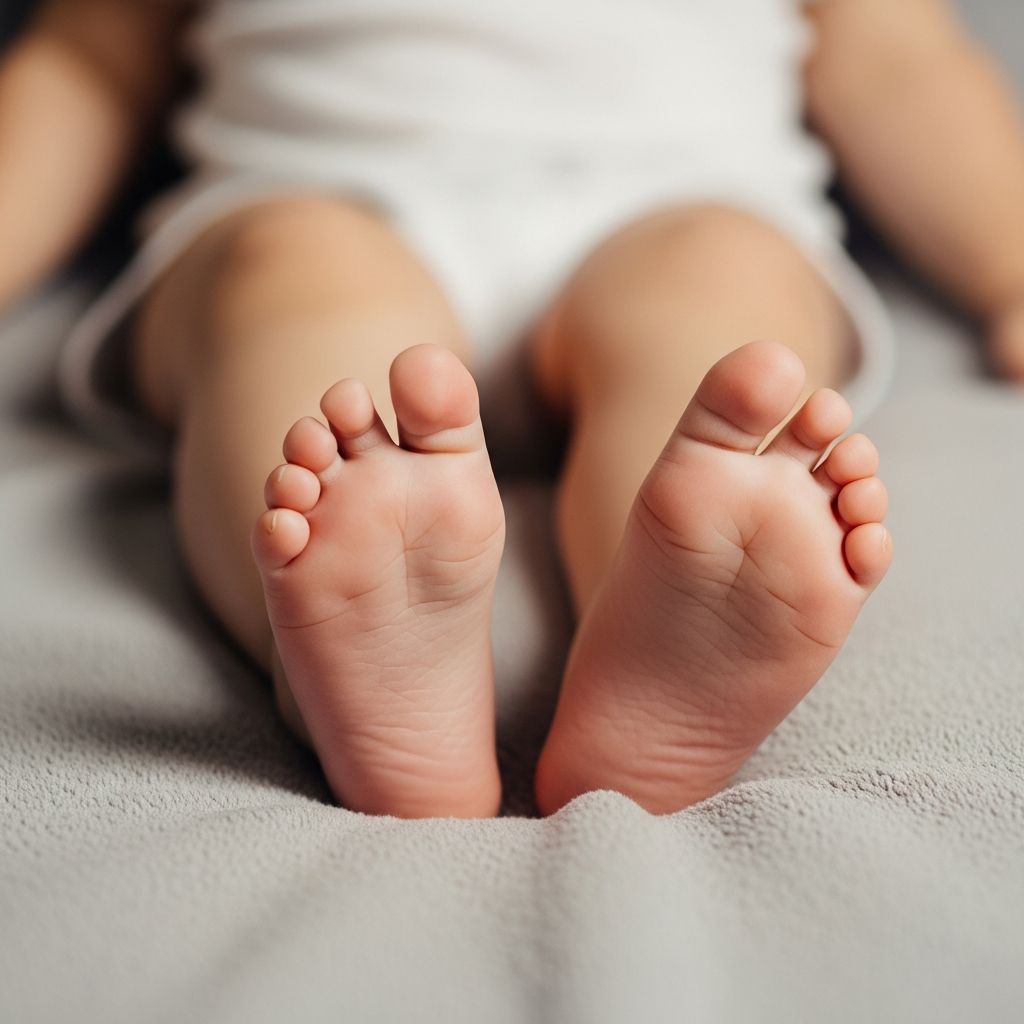
Clubfoot, medically known as congenital talipes equinovarus, is a birth condition in which a baby’s foot or feet are twisted inward and downward at birth. The foot may appear turned so far that the sole faces sideways or even upward, rather than pointing straight ahead. This happens because the tendons, ligaments, and bones in the foot and lower leg develop in an abnormal position before birth.
Clubfoot is not painful at birth, but if left untreated, it can severely limit a child’s ability to walk normally. The condition is relatively common, affecting about 1 in every 1,000 babies worldwide. It can occur in one foot (unilateral) or both feet (bilateral), and it is more frequently seen in boys than in girls.
Recognizing the Signs of Clubfoot
Parents and caregivers often notice clubfoot right after birth, though it can sometimes be detected during a prenatal ultrasound. The most obvious signs include:
- The foot is turned inward, with the toes pointing toward the opposite leg.
- The heel is drawn inward, and the foot may appear shorter and wider than normal.
- The calf muscles on the affected side are often smaller and less developed.
- The foot may feel stiff and have a limited range of motion.
- In more severe cases, the bottom of the foot faces sideways or even upward.
Even after treatment, some children may still have a slightly smaller foot and a thinner calf on the affected side, especially if only one foot was involved.
What Causes Clubfoot in Babies?
The exact cause of clubfoot is not fully understood, but it is believed to result from a combination of genetic and environmental factors. It is not caused by anything the mother did or did not do during pregnancy.
Several risk factors have been identified:
- Family history: If a parent or sibling has had clubfoot, the chance of a baby being born with it increases.
- Gender: Boys are about twice as likely as girls to be born with clubfoot.
- Other conditions: In some cases, clubfoot occurs alongside other conditions such as spina bifida, arthrogryposis, or certain genetic syndromes.
- Environmental influences: Factors like maternal smoking, poorly controlled diabetes during pregnancy, and limited space in the uterus (for example, in multiple pregnancies or with low amniotic fluid) may increase the risk.
Clubfoot is classified into two main types:
- Idiopathic (isolated) clubfoot: This is the most common form, where clubfoot occurs on its own without any other medical problems.
- Non-idiopathic (syndromic or neuromuscular) clubfoot: This type is associated with other health conditions or neurological disorders and may be more difficult to treat.
How Is Clubfoot Diagnosed?
Clubfoot is usually diagnosed at birth during the newborn physical exam. A pediatrician or orthopedic specialist will examine the position, shape, and movement of the foot and lower leg.
In many cases, clubfoot can be seen on a routine prenatal ultrasound, especially in the second or third trimester. However, the exact severity and best treatment plan cannot be determined until after the baby is born and the foot can be examined in detail.
If clubfoot is suspected, the child will typically be referred to a pediatric orthopedic specialist. The specialist will:
- Assess how stiff or flexible the foot is.
- Check for associated conditions that might affect treatment.
- Order imaging tests like X-rays or ultrasound if needed to evaluate the bones and joints.
Early diagnosis is important because starting treatment soon after birth leads to the best outcomes.
Modern Treatment Approaches for Clubfoot
Today, most cases of clubfoot are successfully treated without major surgery, thanks to a structured, step-by-step approach. The goal is to gradually correct the foot’s position so that the child can walk, run, and play normally.
1. The Ponseti Method (Casting and Bracing)
The Ponseti method is the gold standard for treating clubfoot in infants. It involves a series of gentle manipulations and casts, followed by long-term bracing.
The process typically includes:
- Weekly casting: Starting in the first few weeks of life, the foot is gently moved into a better position and held with a cast. This is repeated weekly, with each cast bringing the foot closer to a normal alignment.
- Tenosotomy (minor procedure): In most cases, a small procedure is done to release the tight Achilles tendon. This is usually a quick outpatient procedure with local anesthesia.
- Final cast: After the tenotomy, a final cast is applied and worn for about 3 weeks to allow healing.
- Foot abduction bracing: After casting, the child wears a special brace (often called “boots and bar”) full-time for several months, then at night and during naps for several years.
Success depends heavily on consistent bracing. If the brace is not worn as prescribed, the foot can relapse and return to a clubfoot position.
2. When Surgery Is Needed
Some children may need more extensive surgery, especially if:
- The clubfoot is very rigid or severe.
- It is associated with another condition like spina bifida or arthrogryposis.
- There is a relapse after initial treatment.
Surgery may involve lengthening tendons, releasing tight ligaments, or realigning bones. After surgery, the child will still need casting and bracing, and possibly physical therapy to regain strength and motion.
What to Expect During Treatment
Treating clubfoot is a long-term commitment that can last several years, but the results are usually excellent when treatment is started early and followed consistently.
Timeline of Treatment
| Age | Treatment Phase | What to Expect |
|---|---|---|
| 0–2 weeks | Initial evaluation | Diagnosis, referral to specialist, and planning of treatment. |
| 1–3 months | Weekly casting | Foot gradually corrected with a series of casts; minor procedure for Achilles tendon if needed. |
| 3–6 months | Bracing (full-time) | Wear boots and bar 23 hours a day; regular follow-up visits. |
| 6 months–5 years | Bracing (night and naps) | Gradual reduction to nighttime and naptime use; ongoing monitoring. |
| 5+ years | Final follow-up | Most children no longer need bracing; occasional check-ups to monitor foot development. |
Parental Role in Successful Treatment
Parents play a crucial role in the success of clubfoot treatment. Key responsibilities include:
- Following the casting and bracing schedule exactly as prescribed.
- Keeping follow-up appointments with the orthopedic team.
- Monitoring the skin under casts and braces for irritation, redness, or sores.
- Encouraging normal movement and play as the child grows.
- Being patient and consistent, especially during the long bracing phase.
Long-Term Outlook and Quality of Life
With proper treatment, the vast majority of children with clubfoot grow up to have feet that look and function normally. They can walk, run, play sports, and wear regular shoes without major limitations.
However, some differences may remain:
- The affected foot may stay slightly smaller than the other foot.
- The calf muscles on the affected side may remain thinner.
- In some cases, the child may tire more easily during intense physical activity.
These differences are usually minor and do not prevent a full, active life. Regular follow-up with an orthopedic specialist helps ensure that any issues are caught early and managed appropriately.
When to Seek Help or Worry About Relapse
Relapse is the most common concern during and after treatment. Signs that the foot may be returning to a clubfoot position include:
- The foot turning inward again.
- Difficulty keeping the brace on properly.
- Pain or limping when walking.
- Calluses or sores on the side or top of the foot.
If any of these signs appear, it is important to contact the orthopedic team right away. Early intervention can often correct a mild relapse with additional casting or adjustments to bracing, avoiding the need for more surgery.
Support and Resources for Families
Learning that your child has clubfoot can be overwhelming, but many families successfully navigate treatment with the right support. Helpful resources include:
- Pediatric orthopedic clinics with experience in clubfoot.
- Parent support groups, both in-person and online.
- Educational materials from hospitals and medical organizations.
- Physical therapists who can guide stretching and strengthening exercises.
Connecting with other families who have gone through similar experiences can provide reassurance and practical tips for daily care.
Frequently Asked Questions About Clubfoot
Is clubfoot painful for babies?
No, clubfoot is not painful at birth. The foot is simply in an abnormal position. However, if left untreated, walking on the side or top of the foot can become painful over time.
Can clubfoot be cured?
While “cured” is not always the best term, clubfoot can be very effectively corrected with treatment. Most children end up with feet that look and work normally, allowing them to live active, healthy lives.
Will my child be able to walk and run normally?
Yes, with proper treatment, most children with clubfoot walk, run, and play sports just like other children. They may have a slightly smaller foot or thinner calf, but this rarely limits their activity.
How long does treatment last?
Treatment typically starts in the first few weeks of life and continues for several years. Casting and bracing are most intensive in the first year, with nighttime bracing often continuing until age 4–5 years or older in some cases.
What happens if clubfoot is not treated?
Without treatment, a child with clubfoot will walk on the side or top of the foot, leading to pain, calluses, difficulty wearing shoes, and long-term joint problems. Early treatment is essential to prevent these complications.
Can clubfoot come back after treatment?
Yes, relapse can occur, especially if bracing is not followed as prescribed. Regular follow-up and consistent bracing greatly reduce the risk of relapse.
Does clubfoot affect only the foot?
Clubfoot primarily affects the foot and lower leg, but in some cases it is part of a broader condition involving the spine, muscles, or nerves. A thorough evaluation helps determine if other issues are present.
References
- Clubfoot (Talipes Equinovarus) — Nationwide Children’s Hospital. Accessed 2025. https://www.nationwidechildrens.org/conditions/clubfoot-talipes-equinovarus
- Clubfoot — StatPearls, NCBI Bookshelf. Updated 2023. https://www.ncbi.nlm.nih.gov/books/NBK551574/
- Clubfoot – Symptoms and causes — Mayo Clinic. Updated 2023. https://www.mayoclinic.org/diseases-conditions/clubfoot/symptoms-causes/syc-20350860
- Clubfoot — OrthoInfo, American Academy of Orthopaedic Surgeons. Updated 2023. https://orthoinfo.aaos.org/en/diseases–conditions/clubfoot/
- Clubfoot — UCSF Benioff Children’s Hospitals. Accessed 2025. https://www.ucsfbenioffchildrens.org/conditions/clubfoot
Similar Articles






Read full bio of Sneha Tete