Unlocking Literacy: How Kids Grasp Written Words
Discover how young children naturally learn that print holds meaning, paving the way for lifelong reading and writing success.
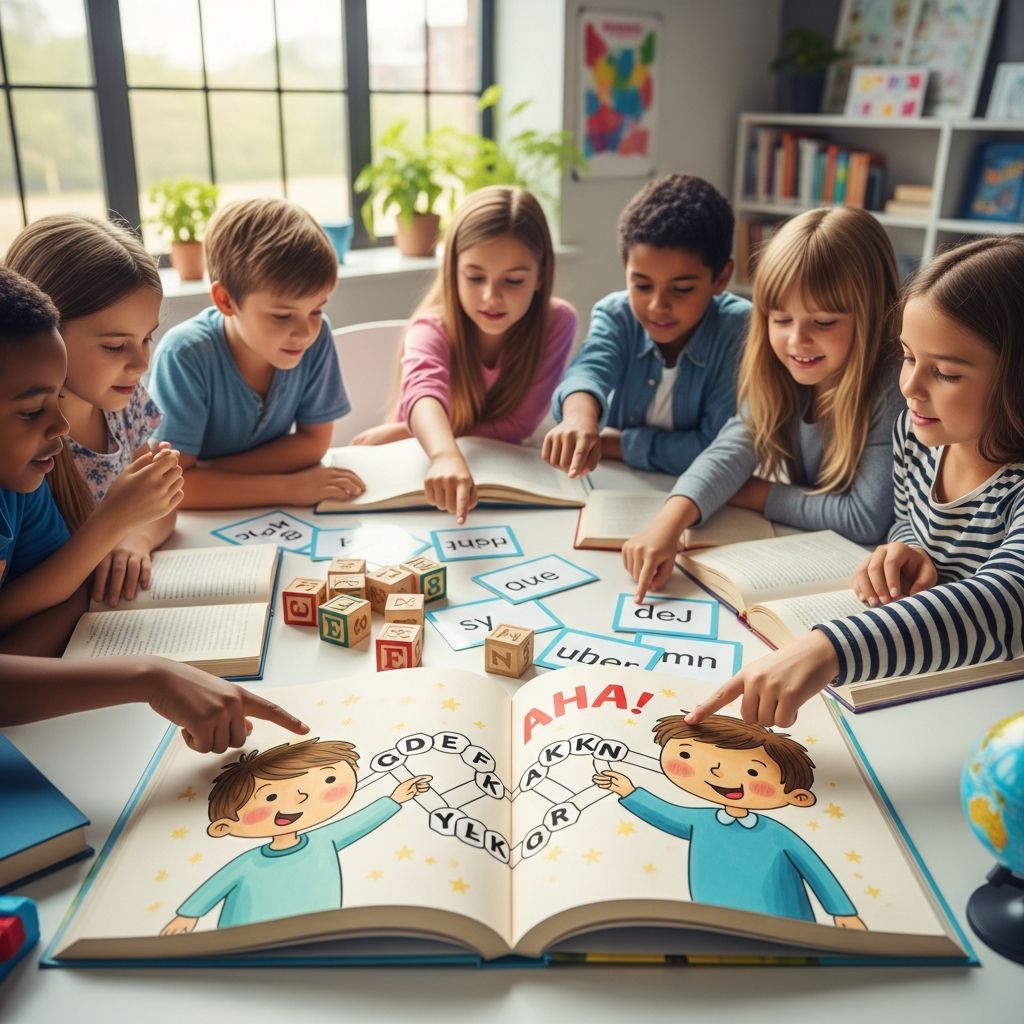
Young children embark on a fascinating journey toward literacy, beginning with simple marks on paper and evolving into a profound understanding that written symbols convey specific ideas and stories. This process, known as emergent literacy, lays the groundwork for reading and writing proficiency.
The Foundations of Emergent Literacy
Emergent literacy encompasses the skills children develop before formal schooling, including print awareness—the realization that print carries meaning distinct from pictures. Research shows this awareness emerges as early as age 3, with children distinguishing universal writing traits like linearity from language-specific ones like letter shapes. Oral language exposure at home strongly predicts literacy success, as spoken words bridge to written forms.
From birth, babies coo and babble, building phonological awareness that later supports decoding print. By toddlerhood, gestures and sounds evolve into intentional marks, signaling the brain’s grasp of symbols representing thoughts.
Key Milestones in Early Writing Development
Children’s writing unfolds in predictable stages, each building on the last. Here’s a breakdown:
- Scribbling Phase (15-30 months): Random lines and loops refine fine motor control. No letters yet, but purposeful marks show emerging intent.
- Letter-Like Forms (2-3 years): Drawings incorporate loops resembling letters, as kids link sounds to shapes.
- Random Letter Strings (3-4 years): Strings of letters mimic words, reflecting awareness that print is segmented.
- Invented Spelling (4-5 years): Phonetic approximations like ‘kat’ for cat demonstrate sound-letter mapping.
- Conventional Writing (5+ years): Accurate spelling and storytelling emerge, fueled by phonics mastery.
These stages are task-dependent and linear, with preschoolers showing surprising knowledge even before kindergarten.
Why Print Awareness Matters
Understanding that writing communicates ideas—beyond mere decoration—is pivotal. Children who ‘read’ their scribbles as stories treat print as meaningful, accelerating true literacy. This insight fosters self-expression and multimodal communication, blending drawing, talking, and writing.
Studies confirm preschool writing knowledge predicts elementary success, with universal features (e.g., left-to-right progression) preceding specifics like English letters. Early intervention here prevents later gaps.
Practical Strategies for Home and Classroom
Parents and educators can nurture this growth through everyday interactions. Model writing by labeling drawings or jotting shopping lists aloud. Shared reading highlights print elements: ‘This word says “fish”!’
| Age Group | Activity Ideas | Learning Goal |
|---|---|---|
| 1-2 Years | Provide chunky crayons; praise all marks | Fine motor + mark-making joy |
| 2-3 Years | Draw together; name letter-like shapes | Symbol-sound connections |
| 3-4 Years | Encourage ‘writing’ names with letters | Print as communication tool |
| 4-5 Years | Co-create stories; sound out words | Phonetic spelling practice |
Integrate playdough molding or finger-tracing in sand to boost motor skills alongside literacy. Rich oral language environments amplify gains.
Role of Oral Language in Written Mastery
Oral skills underpin writing: vocabulary, syntax, and narrative structure transfer from speech to print. Children fluent in conversation grasp complex texts faster. From birth to 5, exposure to rhymes, stories, and discussions builds the symbolic thinking essential for writing.
Weak oral foundations challenge literacy; targeted talk boosts outcomes, especially for multilingual learners.
Overcoming Common Challenges
Not all progress is smooth. Some kids fixate on pictures, ignoring text. Gently redirect: ‘Tell me what this writing says.’ Frustration with ‘incorrect’ spelling? Celebrate approximations as smart tries.
Cultural variations exist—bilingual homes may blend scripts initially—but core principles hold. Monitor for delays; persistent scribbling past age 5 warrants assessment.
Long-Term Benefits of Early Literacy Focus
Investing now yields dividends: stronger readers, thinkers, and communicators. Early print-savvy kids excel in school, relationships, and problem-solving. Programs emphasizing writing from infancy empower self-expression.
Frequently Asked Questions (FAQs)
When do children first understand writing has meaning?
Around 3 years, as they produce linear marks and ‘read’ their own scribbles as messages.
Should I correct my child’s invented spelling?
No—praise efforts and model correct forms to build confidence without stifling creativity.
How much daily writing practice is ideal for preschoolers?
10-15 minutes of playful, choice-driven writing suffices, integrated into routines.
Can digital tools aid emergent writing?
Yes, apps with drawing-to-text features reinforce concepts, but hands-on tools remain primary.
What if my child skips stages?
Progress varies; revisit prior skills through fun activities rather than pushing ahead.
Advanced Insights for Educators
In classrooms, scaffold via modeled writing: educators scribe children’s dictations, then co-edit. Track progress with portfolios showcasing stage evolution. Align with outcomes like recognizing print patterns and symbol use.
Multimodal approaches—combining visuals, speech, and text—cater to diverse learners, enhancing engagement.
References
- What Are the Stages of Writing Development? — Voyager Sopris Learning. 2025-06-30. https://www.voyagersopris.com/vsl/blog/stages-of-writing-development
- Writing with children — Victoria State Government. Accessed 2026. https://www.vic.gov.au/literacy-teaching-toolkit-early-childhood/teaching-practices-emergent-literacy/writing-children
- From Scribbles to Scrabble: Preschool Children’s Developing Knowledge of Written Language — National Center for Biotechnology Information (PMC). 2012-03-13. https://pmc.ncbi.nlm.nih.gov/articles/PMC3309424/
- Language development: children 0-8 years — Raising Children Network (Australian Government-funded). Accessed 2026. https://raisingchildren.net.au/babies/development/language-development/language-development-0-8
- Oral Language: The Foundation for Reading and Writing — Keys to Literacy. Accessed 2026. https://keystoliteracy.com/blog/oral-language-the-foundation-for-reading-and-writing/
Similar Articles







Read full bio of medha deb