When Should Siblings Stop Sharing Bath Time?
Discover expert insights on the ideal age for siblings to transition to separate baths, balancing privacy, development, and family dynamics.
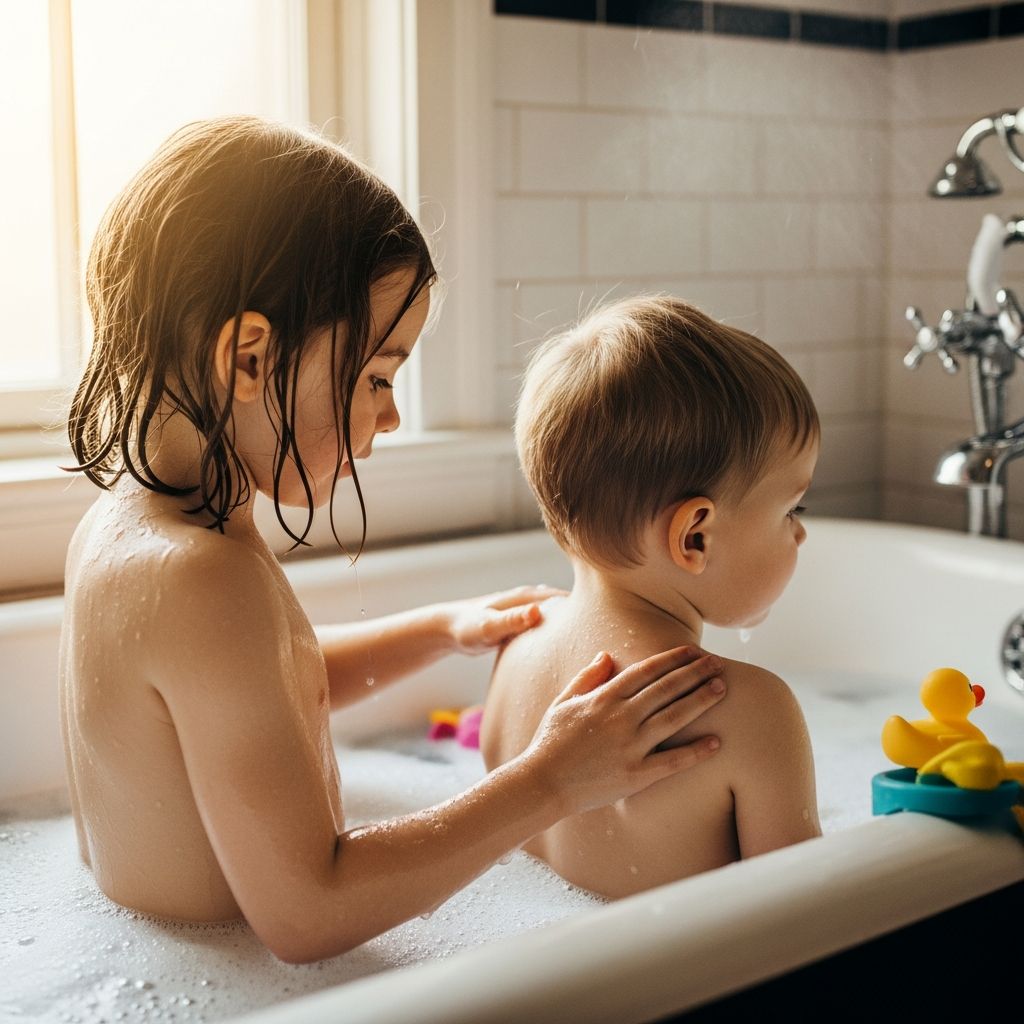
Bath time often serves as a joyful ritual for young children, fostering playfulness and closeness among siblings. However, as kids grow, questions arise about the appropriate age to shift to individual bathing routines. This transition hinges on developmental milestones, personal comfort levels, and family values rather than a one-size-fits-all rule.
Understanding the Evolution of Bath Time Practices
Early childhood bathing together promotes bonding and efficiency for busy parents. Toddlers delight in splashing and sharing toys, creating cherished memories. Yet, this practice naturally evolves as children gain awareness of their bodies and social norms. Pediatric experts emphasize that the shift should align with a child’s emerging sense of self, avoiding imposition that could spark unnecessary awkwardness.
Factors influencing this change include age differences between siblings, gender dynamics, and cultural contexts. For instance, same-gender siblings might continue longer without discomfort, while opposite-gender pairs often prompt earlier separation due to physiological differences becoming apparent. Parents report practical reasons too, such as tubs becoming too cramped for growing bodies.
Expert Recommendations on Age and Timing
Child development specialists offer varied yet converging advice. Dr. Fran Walfish, a renowned psychotherapist, suggests around age 4 for opposite-gender siblings, particularly if curiosity leads to touching private areas—a clear signal for privacy. Dr. Jenn Berman extends this to age 7 or when children show preoccupation with genitals, prioritizing safety and comfort.
- Age 4: Ideal for opposite-gender stops if curiosity emerges.
- Age 5-7: Common for modesty signs or school entry.
- Age 8+: Rare exceptions if no discomfort expressed.
Dr. Sanam Hafeez advocates a natural progression before grade school, letting children lead to preserve sibling harmony and positive body image. The American Academy of Pediatrics, via spokesperson Dr. Elizabeth Murray, stresses individual modesty paces—some kids seek privacy at 4, others at 9.
Recognizing Key Indicators for Separation
Attuning to subtle cues prevents overstepping boundaries. Children often self-regulate, voicing preferences as awareness grows.
| Sign | Description | Action |
|---|---|---|
| Modesty Emergence | Covering body or avoiding nudity | Introduce separate routines immediately |
| Body Curiosity | Questions or touching private parts | Educate and separate baths |
| Privacy Requests | Asking for alone time | Honor without fanfare |
| Hesitation or Discomfort | Reluctance to undress together | Transition gradually |
| Puberty Onset | Physical changes beginning | Mandatory separate hygiene |
Real-parent anecdotes reinforce these signs. Twin parents note separations around 5 due to space or play preferences, not propriety. One family halted at 3-4 amid excessive splashing, highlighting practicality.
Navigating Gender Dynamics in Shared Bathing
Opposite-gender siblings warrant earlier vigilance. A Reddit debate on 11-year-old twins underscored parental divides: fathers often sense puberty proximity, mothers decry over-sexualization. Experts counter that prolonged exposure risks normalizing inappropriate familiarity, especially near adolescence.
Same-gender pairs face fewer biological prompts but still develop personal boundaries. Physical maturation, emotional growth, and peer influences play roles regardless. For larger age gaps, older siblings’ privacy needs typically dictate earlier splits.
Promoting Healthy Body Awareness and Communication
Bath transitions offer teachable moments for body positivity. Use anatomically correct terms for parts, distinguishing public from private zones. Open discussions normalize curiosity as healthy development, reducing shame.
Avoid projecting adult discomforts; kids dictate weirdness. If forcing separation prematurely, explain neutrally: “Everyone needs personal space sometimes.” Post-transition, maintain play opportunities to ease nostalgia.
Practical Strategies for Smooth Transitions
Ease the change with these steps:
- Observe without judgment during baths.
- Offer choices: “Bathtime alone or with toys?”
- Stagger routines for simultaneous supervision.
- Incorporate fun solo elements like new bubbles.
- Monitor school chatter to preempt teasing.
For twins or close-age kids, simultaneous separate tubs preserve bonding. Larger families might rotate based on ages.
Addressing Common Parental Concerns
Worries about sexualization or missing bonds are valid but overstated if cues are heeded. No evidence links appropriate shared bathing to harm; risks arise from ignoring discomfort. Pre-school separation mitigates playground gossip.
Cultural variances exist—some homes normalize nudity longer, others enforce early privacy. Align with your values while prioritizing child-led signals.
Frequently Asked Questions
Is there a strict age when all siblings must stop bathing together?
No, it depends on the child’s comfort, modesty, and family dynamics rather than a universal cutoff.
What if one sibling wants to continue but the other doesn’t?
Respect the dissenting voice; privacy trumps convenience.
Can same-gender siblings bathe together longer?
Yes, often until 7-9 if no discomfort arises, but watch for individual cues.
How do I talk to kids about the change?
Keep it light: “Time for your own special bath adventure!” Teach body respect casually.
Does bathing together harm development?
Not if responsive to signs; it can build positive sibling ties early on.
Long-Term Benefits of Timely Transitions
Appropriate shifts cultivate self-respect, boundary skills, and healthy sexuality views. Children learn consent, respecting others’ space—foundational for relationships. Parents model attuned listening, strengthening trust.
In essence, bath time’s end marks growth, not loss. Embrace it as a step toward independence, ensuring joyful memories endure.
References
- How Old Is Too Old For Children To Bathe Together? Experts Weigh In — FamilyToday.com. 2023. https://www.familytoday.com/family/how-old-is-too-old-for-children-to-bathe-together-experts-weigh-in/
- When Should You Stop Bathing Boy / Girl Twins Together? — Twiniversity. 2023. https://www.twiniversity.com/when-should-you-stop-bathing-boy-girl-twins-together/
- When Should Siblings Stop Taking Baths Together? — Fatherly. 2023. https://www.fatherly.com/parenting/when-should-little-kids-stop-taking-baths-together
- When Should My Kids Stop Bathing Together? — Scary Mommy. 2023. https://www.scarymommy.com/parenting/when-should-kids-stop-bathing-together
Similar Articles








Read full bio of Sneha Tete