Why Babies Often Reach For Dad Over Mom: 5 Ways Dads Bond
Discover the reasons behind your baby's fascination with dad and how to nurture family bonds for optimal child development.
Why Babies Often Reach for Dad Over Mom
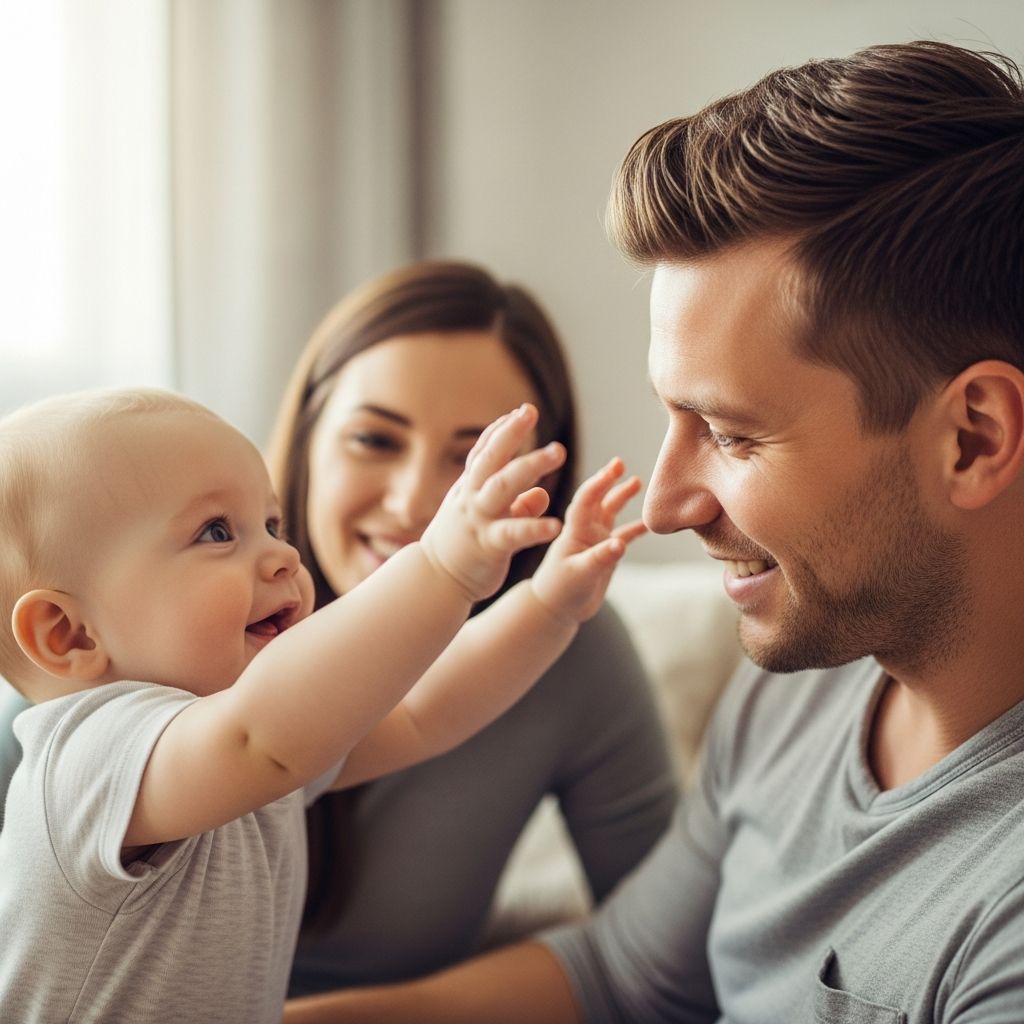
It’s a familiar scene in many households: the baby fusses in mom’s arms but lights up with smiles and coos the moment dad takes over. This preference can feel confusing or even hurtful for mothers, yet it’s a normal phase rooted in developmental psychology and family interaction patterns. Far from signaling rejection, a baby’s draw to dad highlights the unique roles each parent plays in fostering growth.
Understanding the Roots of Baby’s Dad Preference
Babies don’t choose favorites arbitrarily. Their affinity for dad often stems from differences in interaction styles, voice tones, and play dynamics that stand out against mom’s more familiar caregiving routine. Mothers typically handle primary feeding and soothing from birth, creating a constant presence that babies recognize deeply. Dads, entering with novelty, offer fresh stimulation that captivates an infant’s attention.
Research shows fathers engage in rough-and-tumble play more frequently, promoting physical confidence and spatial awareness. This contrasts with maternal nurturing, providing a balanced sensory diet essential for brain development. A systematic review confirms that father-infant interactions, including skin-to-skin contact and direct care, accelerate paternal bonding and influence baby responses positively.
- Novelty factor: Dad’s less frequent involvement makes interactions exciting.
- Voice distinction: Deeper paternal tones intrigue babies exploring sounds.
- Play variety: Energetic games build trust and exploration skills.
Developmental Benefits of Strong Father-Baby Connections
The advantages extend beyond momentary joy. Engaged fathers contribute to emotional regulation, cognitive leaps, and social skills. Children with active dads exhibit higher empathy, resilience, and problem-solving abilities, as paternal involvement models diverse emotional expression.
Cognitive growth flourishes through dad-led activities like storytelling and games, enhancing language acquisition and imagination. Trust builds via consistent presence, empowering babies to venture confidently. Emotionally, dads offer motivation toward independence, complementing maternal comfort.
| Parental Role | Key Contributions | Child Outcomes |
|---|---|---|
| Mother | Nurturing, soothing, routine care | Security, emotional stability |
| Father | Physical play, encouragement, novelty | Confidence, cognitive stimulation, resilience |
| Combined | Balanced interactions | Well-rounded development |
Scientific Insights into Paternal Bonding Mechanisms
Paternal bonding mirrors maternal processes but follows unique pathways. Studies reveal oxytocin surges in fathers during playful interactions, akin to maternal responses during comforting. This ‘love hormone’ fosters attachment, with skin-to-skin contact proving especially potent post-birth.
Father-child interplay, from massages to bottle-feeding, promotes reciprocity. Positive baby cues reinforce dad involvement, while early experiences post-delivery solidify ties. However, barriers like breastfeeding exclusivity can create perceived distance, underscoring the need for inclusive caregiving.
Associations with family well-being are profound: strong paternal bonds alleviate maternal stress, enhance marital harmony, and buffer postpartum challenges. Impaired bonding links to anxiety and attachment issues, emphasizing proactive engagement.
Practical Strategies for Dads to Deepen the Bond
Fathers can capitalize on natural appeal through intentional acts. Skin-to-skin holding regulates infant vitals and boosts confidence in caregiving.
Reading aloud introduces rhythm and heritage, soothing while sparking curiosity. Playtime with peek-a-boo or toys teaches cause-effect, laced with laughter.
Routine tasks like diapering or bathing build attunement. Sleep routines, affectionate gazes, and first laughs create milestones.
- Hold skin-to-skin immediately after birth or daily.
- Participate in feeds via bottle or burping.
- Initiate daily play sessions.
- Establish bedtime stories as ritual.
- Observe cues to respond promptly.
Navigating Feelings When Baby Prefers Dad: Advice for Moms
Moms may grapple with exclusion feelings, but this phase passes. Recognize it as a sign of healthy family dynamics, not personal shortfall. Step back to let dad shine, using time for rest or self-care.
Communicate openly with your partner about emotions. Collaborate on schedules ensuring both parents connect uniquely. Patience fosters equilibrium as baby matures.
- Express needs without guilt.
- Celebrate dad’s role.
- Reconnect through quiet moments.
- Seek support if persistent distress arises.
Long-Term Impacts on Child and Family Growth
Beyond infancy, dad preference evolves into secure attachments predictive of better academic and social outcomes. Fathers’ involvement mitigates behavioral risks and supports identity formation.
Family units thrive with shared parenting: reduced parental depression, stronger partnerships, holistic child rearing. Proactive bonding lays foundations for lifelong resilience.
Frequently Asked Questions
Is it normal for my baby to prefer dad?
Yes, absolutely. Babies gravitate to dad’s novel energy and play style, complementing mom’s familiarity. This balance aids development.
How can dads bond if mom breastfeeds exclusively?
Opt for bottle sessions, skin-to-skin, play, and routines. Direct interaction trumps feeding method.
What if the preference hurts my feelings as mom?
Validate emotions, communicate, and focus on self-care. It typically evens out over time.
Does dad preference affect long-term attachment?
No, strong bonds with both parents form through consistent interaction, yielding secure attachments.
Can preterm babies bond similarly with dads?
Yes, though dynamics vary; fathers show comparable bonding potential with engagement.
Overcoming Common Barriers to Father Involvement
Societal norms sometimes sideline dads, yet evidence urges equity. Work demands or confidence lacks hinder; counter with paternity leave and education. Postpartum paternal depression affects bonding—monitor mental health.
Cultural shifts promote involved fatherhood, yielding dividends in child thriving. Families prioritizing dual roles reap emotional, cognitive rewards.
In summary, baby’s dad lean is developmental gold. Embrace complementary parenting for flourishing families.
References
- Why Dads Matter: The Benefits of Father-Baby Bonding — Kids2. Accessed 2026. https://shop.kids2.com/blogs/curiosity-corner/why-dads-matter-the-benefits-of-father-baby-bonding
- The Current Concept of Paternal Bonding: A Systematic Scoping Review — National Library of Medicine. 2022-11-01. https://pmc.ncbi.nlm.nih.gov/articles/PMC9690989/
- Daddy-baby Bonding — The Mom & Caregiver. Accessed 2026. https://themomandcaregiver.com/daddy-baby-bonding/
- How dads can build a strong bond with their baby — PANDA. Accessed 2026. https://www.panda.org.au/articles/how-dads-can-build-a-strong-bond-with-their-baby
- A Father’s Bond with His Newborn Is Just as Important as a Mother’s Bond — AWHONN. Accessed 2026. https://www.awhonn.org/fathers-day-a-fathers-bond-with-his-newborn-is-just-as-important-as-a-mothers-bond/
- Bonding with a baby — NCT. Accessed 2026. https://www.nct.org.uk/information/baby-toddler/caring-for-your-baby-or-toddler/bonding-baby
Similar Articles






Read full bio of medha deb