Baby Crib Bars: Why Protective Slats Matter For Safety
Discover the essential safety reasons behind crib bars, from preventing escapes to ensuring healthy sleep for infants.
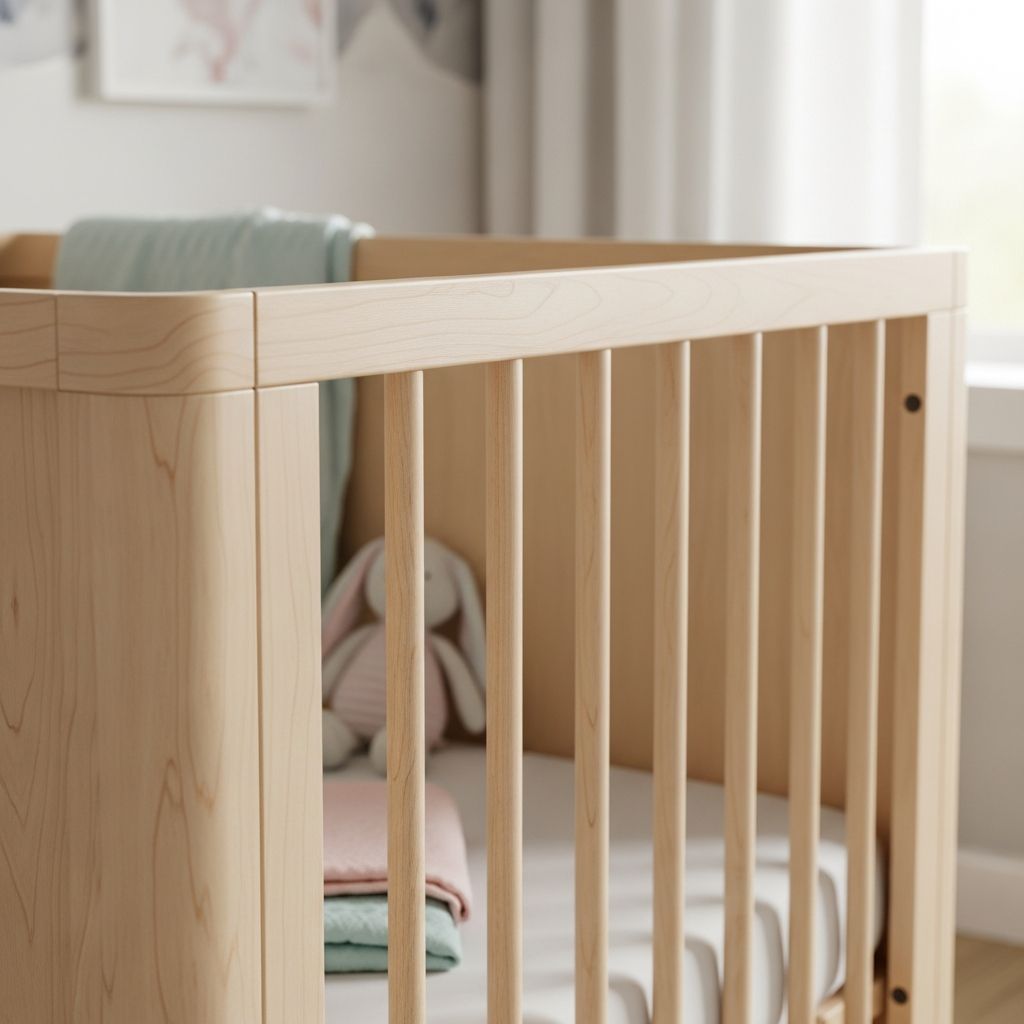
Why Baby Cribs Feature Protective Bars
Protective bars on baby cribs serve as a fundamental safety mechanism, designed to contain infants securely while allowing visibility and airflow during sleep. These slats meet rigorous standards to prevent escapes, head entrapment, and other hazards, ensuring a safe resting environment for newborns up to toddler age.
The Core Purpose of Crib Slats in Infant Protection
Crib bars, or slats, form the structural backbone of modern infant sleep spaces, balancing containment with essential ventilation. Spaced precisely at no more than 2 3/8 inches (6 cm) apart, they stop babies from slipping through while permitting air circulation to reduce overheating risks, a key factor in safe sleep. This spacing, mandated by the Consumer Product Safety Commission (CPSC), evolved from historical incidents where wider gaps led to tragic entrapments.
Beyond containment, slats enable parents to monitor their child visually without disturbance, fostering peace of mind. Vertical orientation promotes natural upright positioning, aiding in respiratory health by minimizing positional asphyxia risks. Firm mattress integration with these bars prevents gaps where limbs or heads could wedge, a common injury cause addressed in standardized crib dimensions.
Evolution of Crib Design: From Historical Beds to Modern Safeguards
Early cradles lacked standardized bars, often using simple wooden frames that posed entrapment dangers. By the 20th century, rising infant mortality from sleep-related accidents prompted regulations. The CPSC’s 1973 full-size crib standard introduced slat spacing limits, refined in 2011 to ban drop-side rails after over 30 fatalities linked to hardware failures.
Today’s cribs incorporate grease-free, durable slats tested for 5,000+ opening cycles without failure, ensuring longevity. Materials shifted to non-toxic finishes, eliminating lead paint risks prevalent in older models. This progression reflects data-driven reforms, slashing crib-related injuries by over 50% since standards enforcement.
Federal Safety Regulations Governing Crib Slats
U.S. cribs must comply with 16 CFR 1219 and ASTM F1169, enforceable by CPSC. Key mandates include:
- Slat spacing ≤2 3/8 inches to block head passage (average infant head ~3 inches).
- Slat strength to withstand 600-pound side force without breaking.
- No missing or cracked components; verticals firmly attached.
- Mattress support boards preventing sagging under 250 pounds.
These rules apply to full-size cribs (28×52.5 inches inside), with non-full-size under separate ASTM F406. Imported cribs face the same scrutiny, with recalls for non-compliance averaging 20 annually.
| Regulation | Requirement | Purpose |
|---|---|---|
| Slat Spacing | Max 2 3/8 inches | Prevents entrapment |
| Slat Durability | 600 lb force test | Resists breakage |
| Mattress Fit | <1 inch side gap | Avoids limb trapping |
| No Drop-Sides | Banned since 2011 | Eliminates collapse risk |
Compliance labels confirm adherence; absent ones signal risks.
Addressing Common Risks: How Bars Prevent Infant Injuries
Falls top crib hazards, often when climbing toddlers exploit raised mattresses. Lowering the height as babies sit (around 5-6 months) keeps them contained. Entrapment occurs if slats loosen or spacing widens; annual inspections mitigate this.
Suffocation risks from soft bedding are nullified in bare cribs with bars aiding airflow. SIDS drops 50% with back-sleeping in such setups. Teething babies chew slats, prompting rail covers—but CPSC warns against loose fabric posing strangulation.
Modern Innovations Complementing Traditional Slats
Breathable mesh cribs offer slat alternatives with full visibility and superior airflow, reducing rebreathing CO2 risks. These GREENGUARD Gold certified options avoid VOCs, phthalates. Convertible cribs grow into toddler beds, reusing slats for extended safety.
Adjustable bases (3 levels) accommodate growth: high for newborns, low for climbers. Smart monitors integrate with bars for movement alerts, though not substitutes for standards.
Best Practices for Setting Up a Safe Crib Environment
Assemble per instructions using included hardware; double-check slat stability. Position away from windows/blinds to avoid cord strangulation. Bare crib: firm mattress only—no pillows, toys.
- Back sleeping, feet to footboard.
- Room-share sans bed-share first 6 months.
- Weekly checks for loose screws/slats.
- Stop crib use at 35 inches height or climbing.
Transition to toddler bed promptly upon climbing signs.
Protecting Crib Rails from Teething and Daily Wear
Babies teethe around 6 months, gnawing slats. Fabric covers pad impacts and shield wood but must secure tightly to avoid detachment hazards. Breathable, machine-washable options fit uneven rails.
Silicone teething guards provide chew-resistant, BPA-free barriers without obscuring view. Prioritize CPSIA/ASTM certified products. Regular cleaning prevents bacterial buildup from drool.
FAQs on Crib Bars and Safety
What is the maximum allowed spacing between crib bars?
No more than 2 3/8 inches (6 cm) to prevent head or body entrapment.
Are crib rail covers recommended for safety?
Use cautiously; they protect from chewing but risk suffocation if loose. Opt for fitted, certified types.
How often should I inspect crib slats?
Weekly for looseness, plus before each use.
Can mesh-sided cribs replace traditional barred ones?
Yes, if they meet CPSC standards, offering enhanced airflow.
At what height should I lower the crib mattress?
When baby sits unassisted or pulls up.
Choosing the Right Crib for Your Nursery
Verify JPMA seal for third-party testing. Measure space; full-size standard is 28×52.5 inches. Sustainable woods like New Zealand pine ensure durability. Budget $150-$800; prioritize safety over aesthetics.
Test slats by shaking vigorously—no wobbles. Read recent recalls at CPSC.gov.
References
- Crib Safety 101: Creating a Safer Sleep Space for Your Baby — HALO Sleep. 2023. https://www.halosleep.com/blogs/halo/crib-safety-101-creating-a-safer-sleep-space-for-your-baby
- Different Types Of Crib Rail Covers: Advantages And Disadvantages — Biloban. 2023. https://www.biloban.com/blogs/babybedding/different-types-of-crib-rail-covers-advantages-and-disadvantages
- Complete Guide to Crib Rail Protection — Kari Studio. 2023. https://kari-studio.com/blogs/articles/crib-rail-protection-guide
- A Guide to Crib Safety Standards — The Mother Baby Center. 2020-10-01. https://www.themotherbabycenter.org/blog/2020/10/dont-snore-on-crib-safety-how-to-set-up-your-babys-crib-safely/
- Shopping for a Safe Crib? Consider These 5 Features Before You Buy — Consumer Reports. 2023. https://www.consumerreports.org/babies-kids/cribs/crib-safety-a1086241268/
- Crib Safety — Kaiser Permanente. 2023. https://healthy.kaiserpermanente.org/health-wellness/health-encyclopedia/he.crib-safety.ue5195spec
- Baby crib with bars comparison: safety & comfort guaranteed — Chambre Kids. 2023. https://www.chambrekids.com/en/blog/baby-crib-with-bars-n22
Similar Articles








Read full bio of Sneha Tete