Youth Football: Risks, Rewards, and Smart Choices
Balancing the thrill of football with child safety: Expert insights on injuries, benefits, and protective strategies for young athletes.
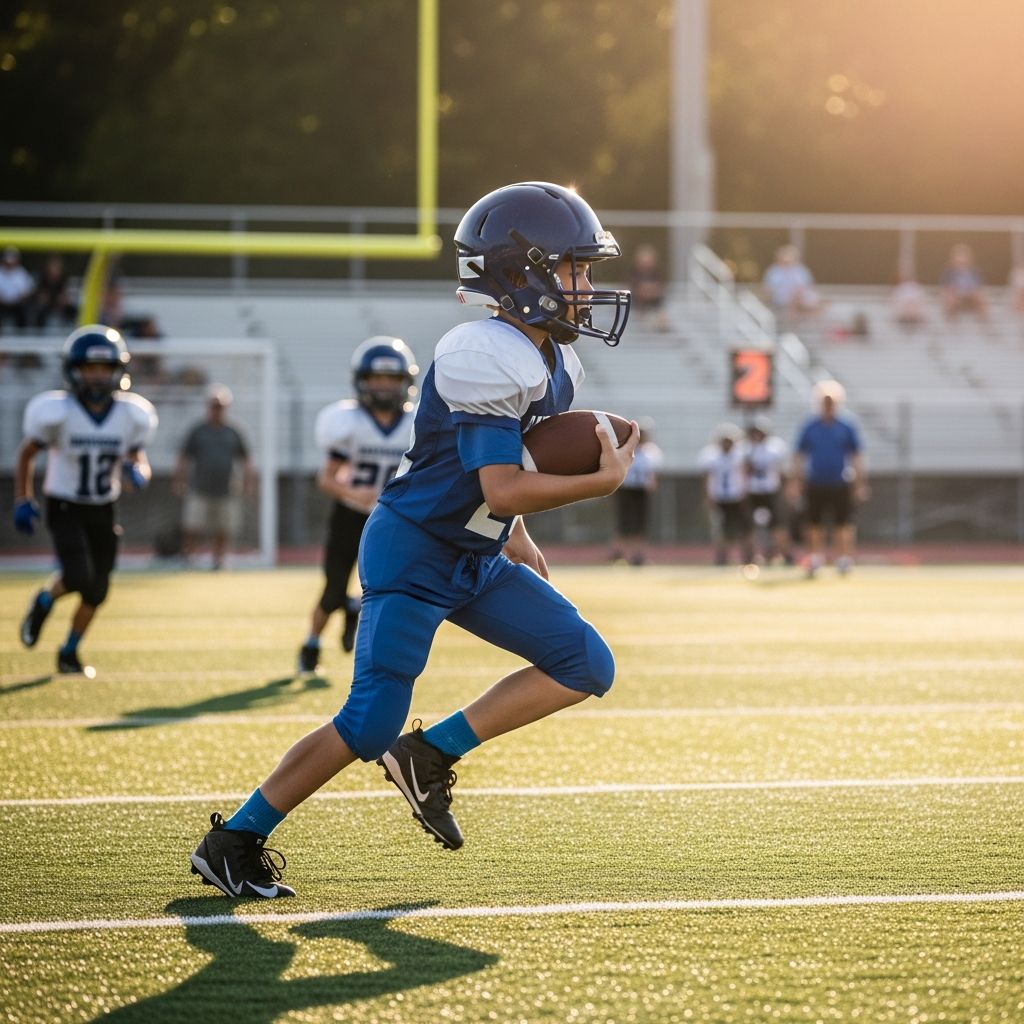
Deciding if your child should play football involves weighing physical, emotional, and long-term health factors. While the sport builds teamwork and fitness, concerns over injuries like concussions persist. This article examines evidence-based pros, cons, and strategies to minimize harm.
Understanding the Appeal of Football for Kids
Football captivates young players with its excitement and camaraderie. It encourages outdoor activity, reducing screen time and promoting cardiovascular health. Studies show contact sports like football foster resilience, teaching children to push through challenges and recover from setbacks.
- Develops
teamwork
and communication skills essential for life. - Builds physical strength, agility, and coordination through drills and plays.
- Instills discipline via structured practices and game strategies.
Beyond athletics, football creates lasting friendships and a sense of belonging, particularly for boys in youth leagues where 70% of players participate at this level.
Key Health Risks in Youth Tackle Football
Tackle football carries inherent dangers due to high-impact collisions. Musculoskeletal injuries dominate, affecting lower legs, ankles, and feet with sprains, strains, fractures, and bruises. Growing children face added vulnerability from growth plate injuries, which may require surgery in severe cases.
Concussions and traumatic brain injuries (TBIs) alarm parents most. Football leads in youth TBIs, with the highest emergency visits among boys under 17. Research links pre-12 tackle football to doubled risks of behavioral issues, apathy, executive dysfunction, and tripled depression odds in adulthood, even for those quitting post-high school.
| Injury Type | Common Sites | Frequency Rank |
|---|---|---|
| Head/Face | Brain, skull | 1st |
| Ankle/Knee | Lower extremities | 2nd-3rd |
| Hand/Wrist | Upper extremities | 4th |
| Catastrophic | Spine, brain | Highest among sports |
Football’s catastrophic injury rate exceeds others twofold, with practice drills driving many head impacts. Fatigue, prior injuries, and age heighten risks, especially in grades 9-14.
Brain Health Concerns: Concussions and Beyond
Repeated subconcussive hits, not just diagnosed concussions, accumulate damage. Boston University research ties early tackle football to chronic traumatic encephalopathy (CTE), elevating cognitive decline risks. In 2021, four high schoolers died from football TBIs.
Youth brains, still developing, suffer lasting effects from impacts. Rutgers studies using impact sensors on 20 players revealed frequent high-intensity hits, prompting calls for age restrictions like California’s proposed ban under 12.
Protective Gear and Its Limitations
Helmets and pads mitigate but don’t eliminate risks. State-of-the-art helmets protect against some head injuries, shoulder pads absorb sternum shocks. Guardian Caps reduced impacts in Rutgers trials, yet no gear fully prevents concussions.
- Ensure annual certification of school equipment.
- Fit gear properly; ill-fitting items increase injury odds.
- Inspect for alterations or wear before each season.
Monitor post-injury symptoms like swelling, pain, or mobility loss, seeking immediate care.
Coaching Practices That Prioritize Safety
Quality coaching transforms risks. Programs emphasizing development over wins, using fitted gear, limiting excessive drills, and promoting multi-sport play reduce injuries. Concussion-trained coaches halt play at head injury signs, leveraging CDC’s HEADS UP training.
Wake Forest clinics teach safer drills, cutting head impacts by focusing fundamentals. Contact limits in practices show promise, though games remain challenging.
Age and Developmental Considerations
Younger kids (under 12) face amplified risks due to immature neuromuscular control and smaller size. Injury rates rise with grade level. Experts advocate delaying tackle until 12-14, favoring flag football earlier for skill-building without contact.
Multi-sport participation prevents overuse, builds versatility, and lowers specialization injuries.
Benefits Beyond the Field: Holistic Gains
Despite risks, football delivers mental toughness, leadership, and social skills. It counters sedentary lifestyles, with pros like fitness and resilience outweighing cons in safe environments. Parents report improved confidence and emotional regulation in participants.
Viable Alternatives to Tackle Football
Flag football offers identical social benefits minus tackle violence. NFL FLAG emphasizes safety, evolving rules for protection. It’s inclusive, reducing developmental violence exposure while maintaining fun.
| Aspect | Tackle Football | Flag Football |
|---|---|---|
| Injury Risk | High (concussions, fractures) | Low (no contact) |
| Skill Development | Full contact skills | Agility, passing |
| Inclusivity | Limited by size/strength | High for all abilities |
| Brain Safety | Risky pre-12 | Safer at all ages |
Steps for Parents to Make Informed Decisions
Research leagues: Seek those with safety protocols, certified coaches, and medical support. Discuss family history of injuries. Start with flag, transitioning later if desired.
- Evaluate coach credentials and philosophy.
- Review injury data from prior seasons.
- Ensure emergency action plans exist.
- Encourage balanced schedules with rest.
Frequently Asked Questions
What age is safest to start tackle football?
Experts recommend delaying until at least 12-14, when neuromuscular maturity reduces risks.
Can gear fully prevent concussions?
No, but quality, fitted equipment like Guardian Caps helps; protocol adherence is key.
Is flag football a good substitute?
Yes, it builds skills and teamwork without head impact risks, ideal for younger kids.
How do I spot a concussion?
Watch for headache, dizziness, confusion, nausea; remove from play and seek medical evaluation.
Does multi-sport play help?
Absolutely, it prevents burnout, overuse injuries, and develops well-rounded athletes.
Empowering Safe Participation
Football can enrich childhoods when safeguards are robust. Informed parents, vigilant coaches, and evolving rules like contact limits pave safer paths. Prioritize brain health, balanced activity, and joy in sports.
References
- Should Parents Let Their Child Play Football? Weighing the Pros and Cons — Children’s Hospital of Philadelphia (CHOP). 2023. https://www.chop.edu/news/should-parents-let-their-child-play-football-weighing-pros-and-cons
- National Youth Sports Safety Month — Guardian Sports. 2024-04-04. https://guardiansports.com/2024/04/04/national-youth-sports-safety-month/
- Protecting the Health of Football Players On and Off the Field — University of Utah Health. 2023-11. https://healthcare.utah.edu/healthfeed/2023/11/protecting-health-of-football-players-and-field
- Football | Pros, Cons, Arguments, Debate — Britannica ProCon. 2024. https://www.britannica.com/procon/football-debate
- Keeping Youth Athletes Safe | Wake Forest University School of Medicine — Wake Forest. 2023. https://school.wakehealth.edu/features/research/keeping-youth-athletes-safe-on-the-field
- Factors That May Influence Americans’ Views on When Children Should Be Allowed to Play Tackle Football — PMC (NCBI). 2023-12-28. https://pmc.ncbi.nlm.nih.gov/articles/PMC10783471/
Similar Articles








Read full bio of Sneha Tete